A disc was becoming a digital license
The Xbox One plan would have changed what owning a physical game meant. Players would install games from discs, but the console would treat access as a license attached to an account rather than relying on the disc as a continuing proof of ownership. To keep that license valid, the console was supposed to connect to Microsoft’s servers at least once every 24 hours.
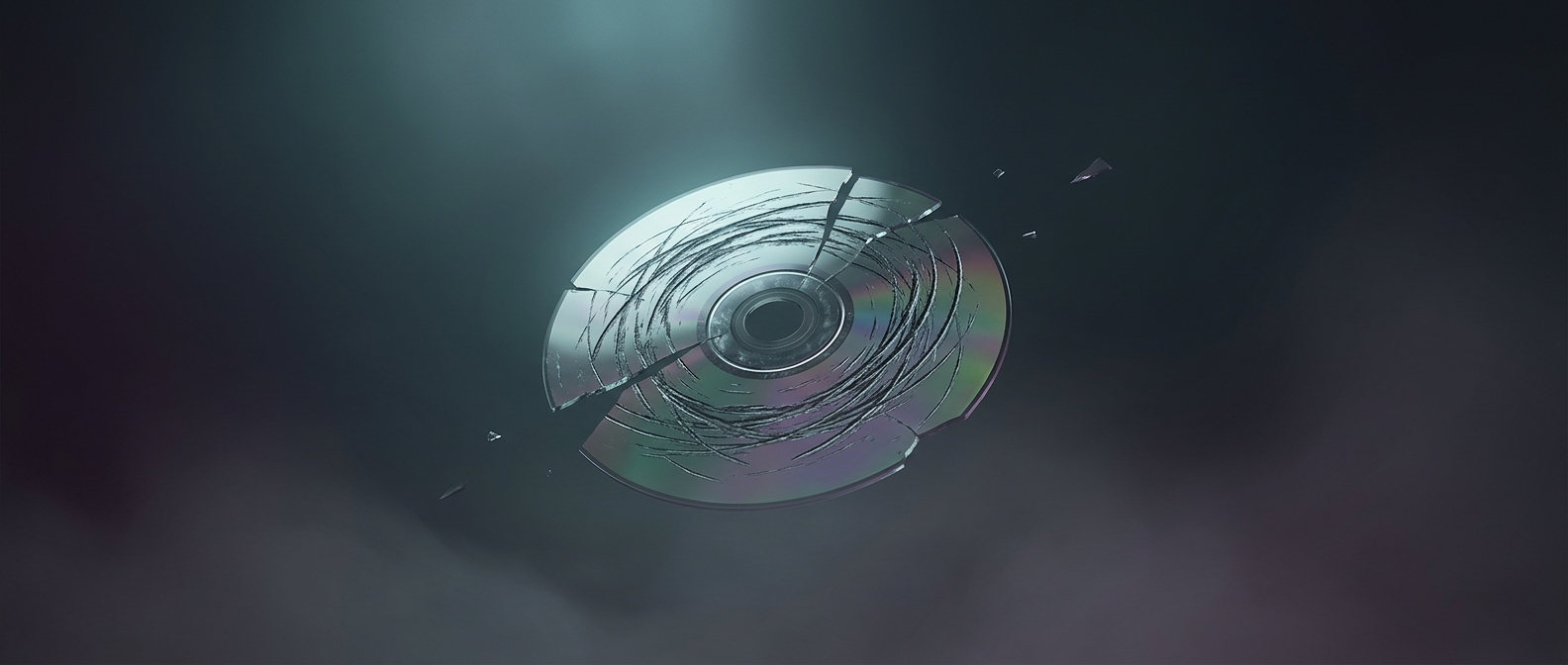
That design could make a game library easier to use across accounts or consoles, but it also made internet access part of playing a game bought on disc. If the console missed its daily check, players would lose access to games until it connected again. The disc would no longer be a dependable offline fallback.
The tradeoff became impossible to ignore
For players with unreliable connections, or who wanted to take a console somewhere without internet, the check turned a routine activity into a deadline. The proposed limits on sharing and reselling games added another concern: a physical purchase would not necessarily behave like the discs players already knew how to lend or trade.
Microsoft announced the policy before the Xbox One launched, and the response made clear that many customers saw the restrictions as a loss of control, not a worthwhile convenience. The company reversed course in June 2013. The revised plan removed the required daily connection and restored familiar disc-based lending and resale, while keeping digital downloads available.
The episode showed how much a console’s basic promise depends on its ownership rules. A server check may look like a small technical step, but when it stands between a player and a game already in their home, it can redefine what “buying” that game feels like.