A used disc could come with a missing key
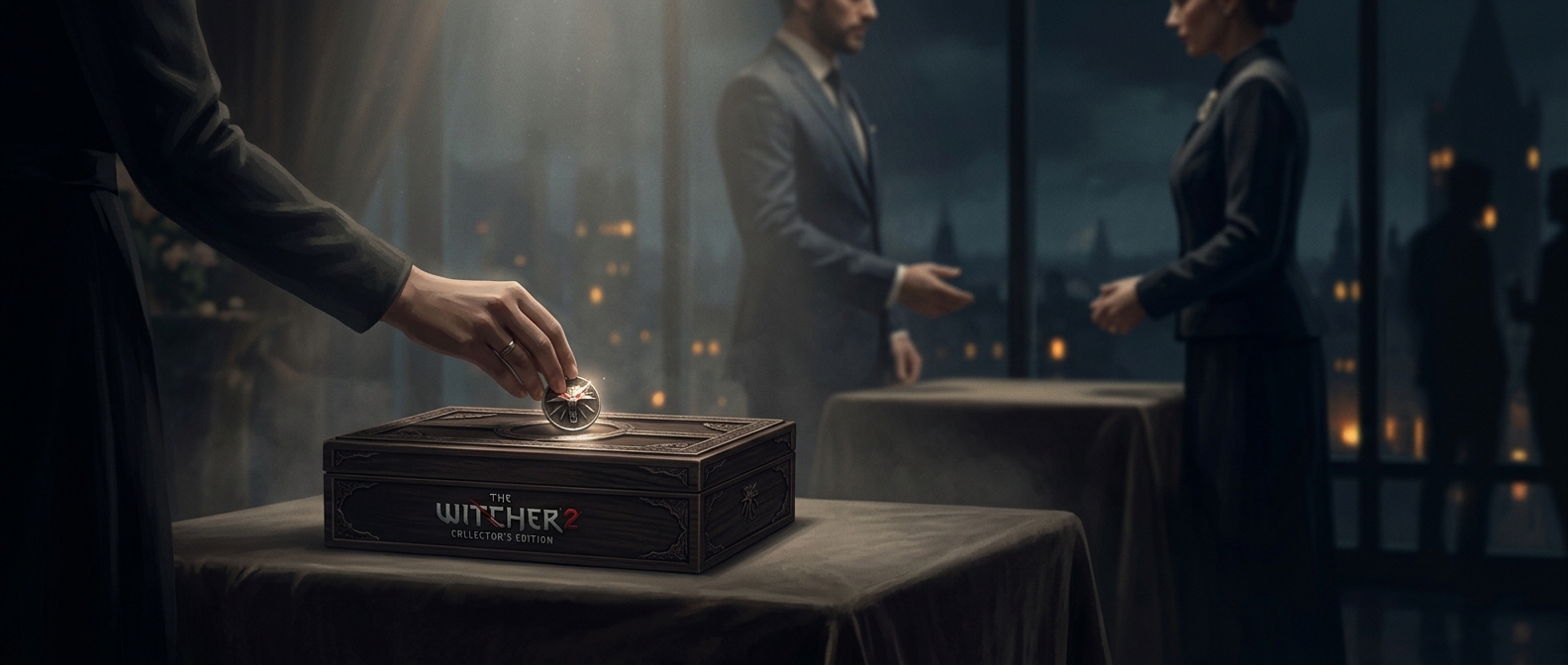
A secondhand game might include the disc but not an unused online pass. The pass was a code that unlocked the game’s multiplayer features; once redeemed, it was generally tied to the account that claimed it. A later owner who bought the disc used could therefore be asked to pay the publisher a one-time fee to play online.
That created an unusual split: the game itself changed hands, but the right to access its online component did not necessarily travel with it. The used buyer could still have the physical game, yet face an extra charge before joining friends.
Why publishers tried it
When a new copy was sold, the publisher received revenue from that sale. When the same copy was resold, the next purchase happened between players or through a retailer, so the publisher did not receive money from the second transaction. Online play, meanwhile, could require ongoing technical support and services.
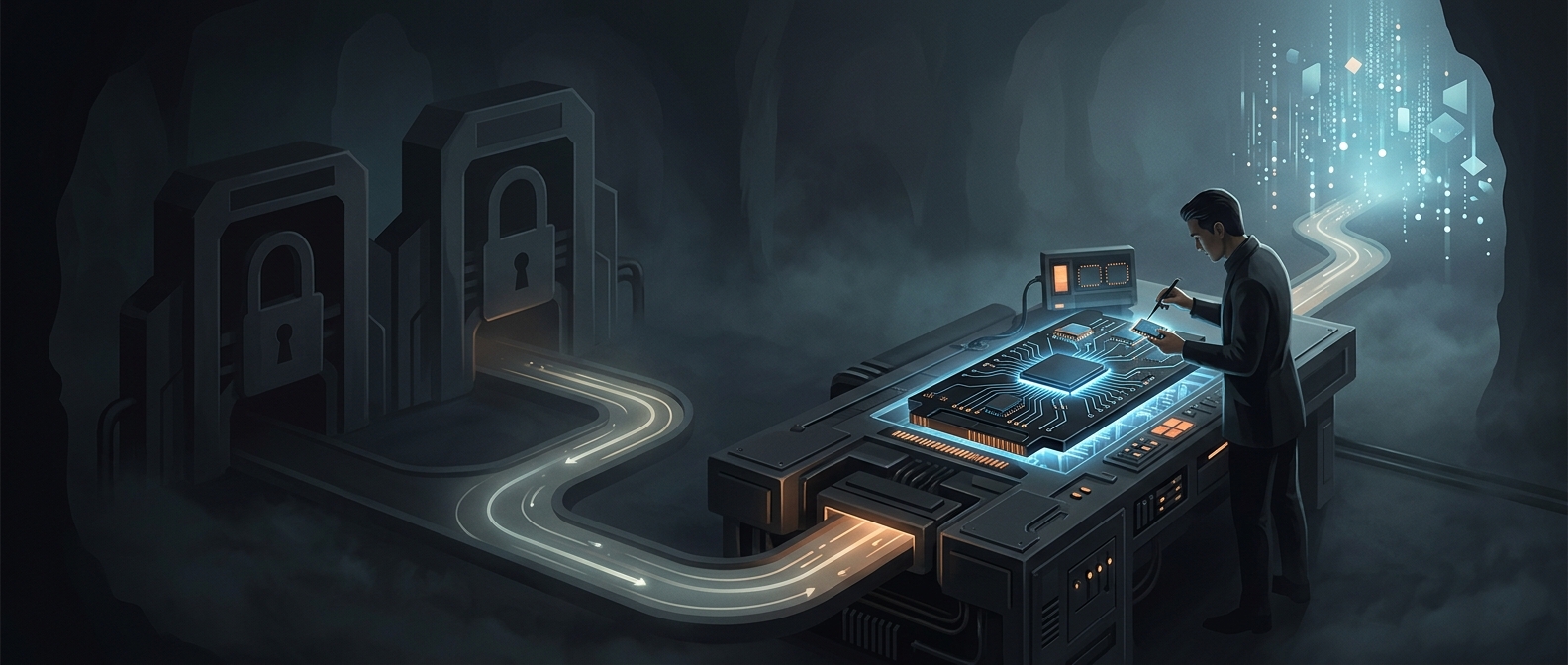
The pass was an attempt to connect those two facts. It preserved online access for the first buyer while asking a later owner to contribute separately. In effect, the publisher treated multiplayer access as a benefit attached to the original purchase, not an entitlement that automatically followed the disc.
The tradeoff for players
For someone choosing between new and used, the pass changed the real price of the used copy: its lower sticker price had to be weighed against the cost of unlocking multiplayer. A buyer interested only in the single-player game might not care; someone hoping to play online could find the bargain less attractive.
That made resale more complicated than handing over a disc. The next player had to consider not just whether the game worked, but whether its online key had already been claimed—and whether paying again was worth getting back into the match.