Why EA built a store of its own
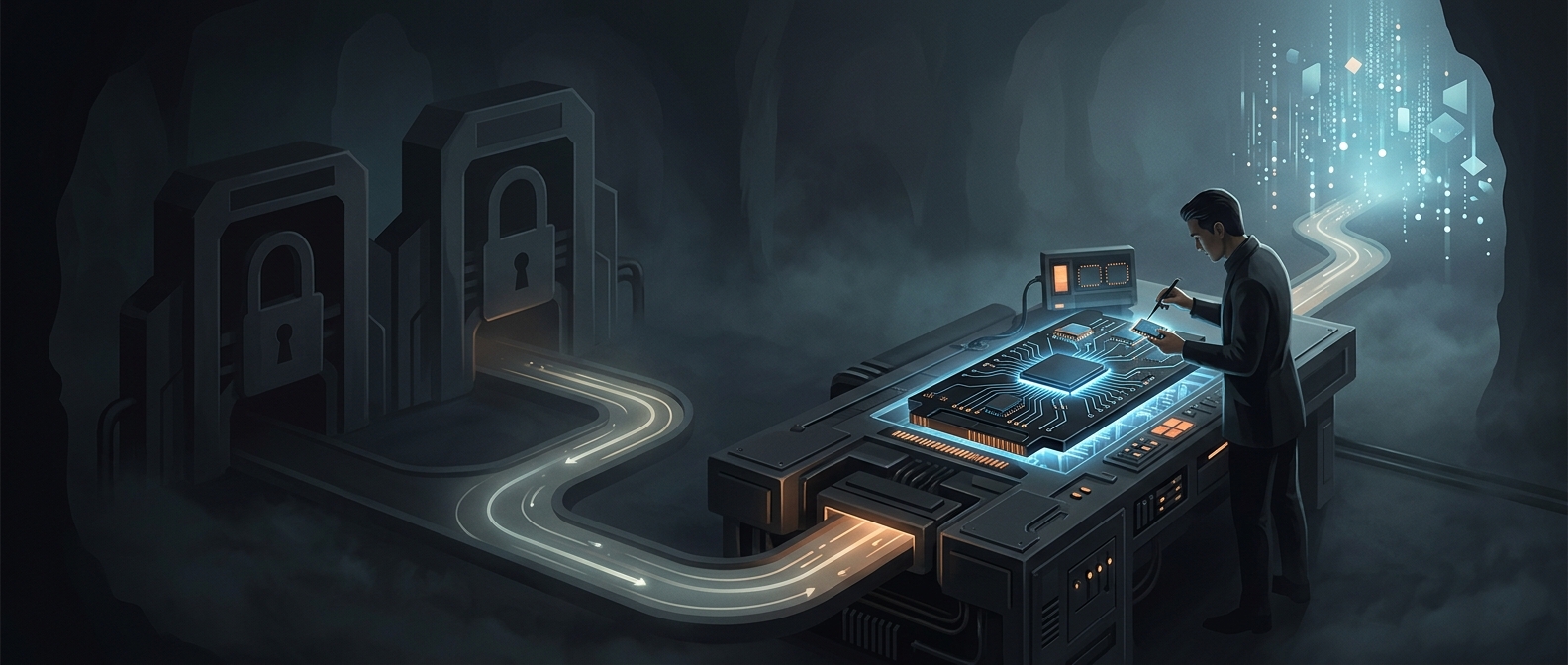
When PC games moved from discs to digital downloads, publishers could sell through outside platforms—but those distributors kept a share of each sale. EA’s own online store and launcher offered a way to sell directly, keeping more revenue in-house and giving the company control over the purchase and download process.
A launcher is more than a storefront. It can deliver game files and updates, verify ownership, and connect players to online services. Building one meant EA could manage those steps itself rather than relying entirely on a retailer’s software.
The cost of making players use it
That control came with a tradeoff: players had to install and run another program to access games that required it. Instead of buying a game and launching it through a familiar service, they had to manage EA’s separate account, software, and updates as well.
Users also criticized the launcher as resource-heavy. That complaint turned a business decision into a daily annoyance: software intended to make buying and playing more convenient could feel like an extra burden, especially when it consumed computer resources in the background. EA could avoid sharing a distributor’s cut, but it also took on the work—and the reputational risk—of running a platform players had not necessarily wanted.