Why a trademark filing can feel like a signal
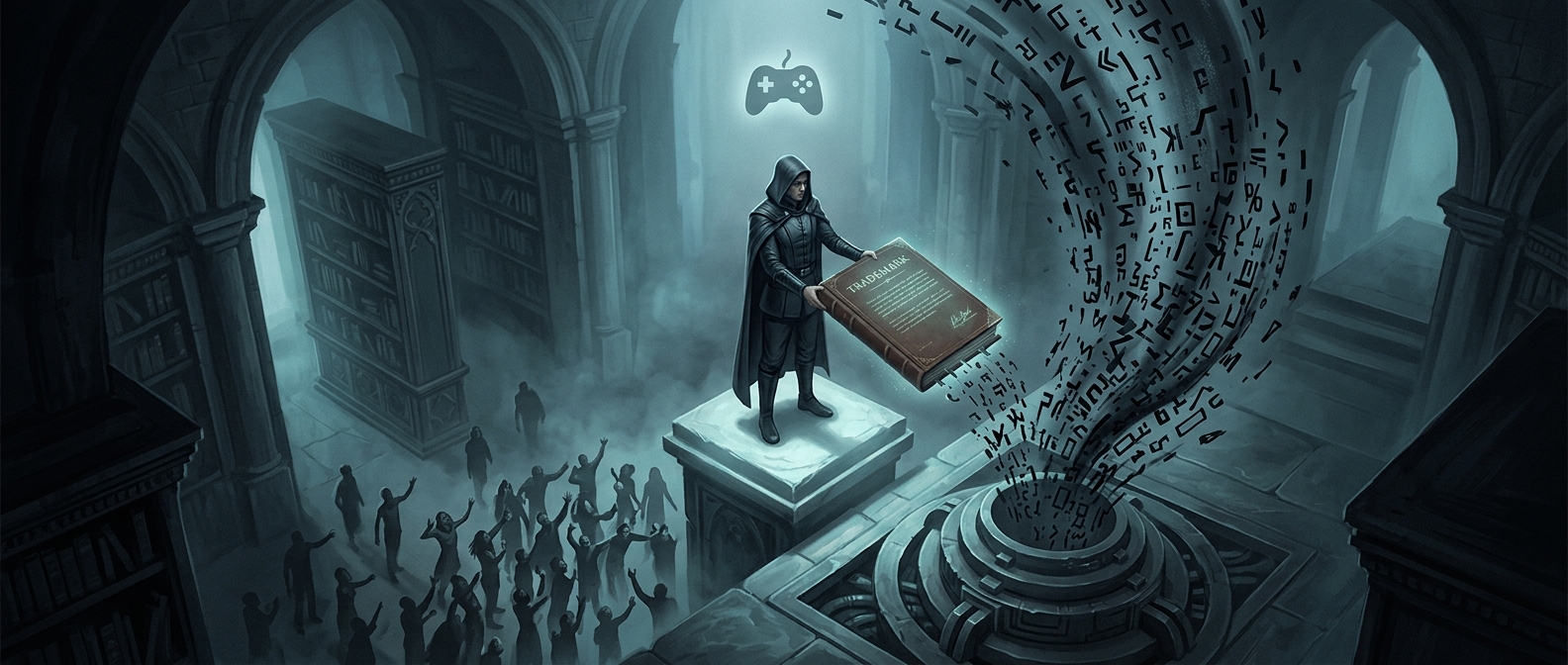
A trademark protects a name used for a product or service. When a company renews or maintains one, it is keeping legal control of that name—not announcing that a product is finished, in development, or about to launch. But a public filing is easy to spot, and “Half-Life 3” is an unusually loaded name for fans to see appear in official paperwork.
That gap between what a filing means legally and what it might mean creatively is where speculation grows. A renewal is concrete evidence that the name is being protected; it offers no clear evidence about what Valve plans to do with it. Each new appearance can therefore revive the same question without answering it.
An unfinished story makes every clue louder
The anticipation has a story behind it. Half-Life 2: Episode Two ended on a major unresolved development, leaving players with a reason to want the narrative to continue. With no released third installment to settle that thread, even a small administrative update can be read as a possible hint—especially when fans have spent years looking for signs of a sequel.
The result is a recurring cycle: a filing appears, hope rises, and the lack of an announcement leaves the mystery intact. The trademark keeps the possibility visible, but it cannot tell fans whether a game exists. That is why a routine legal act can briefly feel like news about one of gaming’s most anticipated unreleased sequels.