A tutorial chore became a player-made prank
In the original Tomb Raider, Lara Croft’s mansion doubles as a practice space: players can explore its rooms and get used to movement before heading into the main adventure. The butler adds an unexpected complication. He trails Lara at a slow, steady pace, carrying a tea tray, so even a quiet walk through the house can feel like an escort mission nobody asked for.
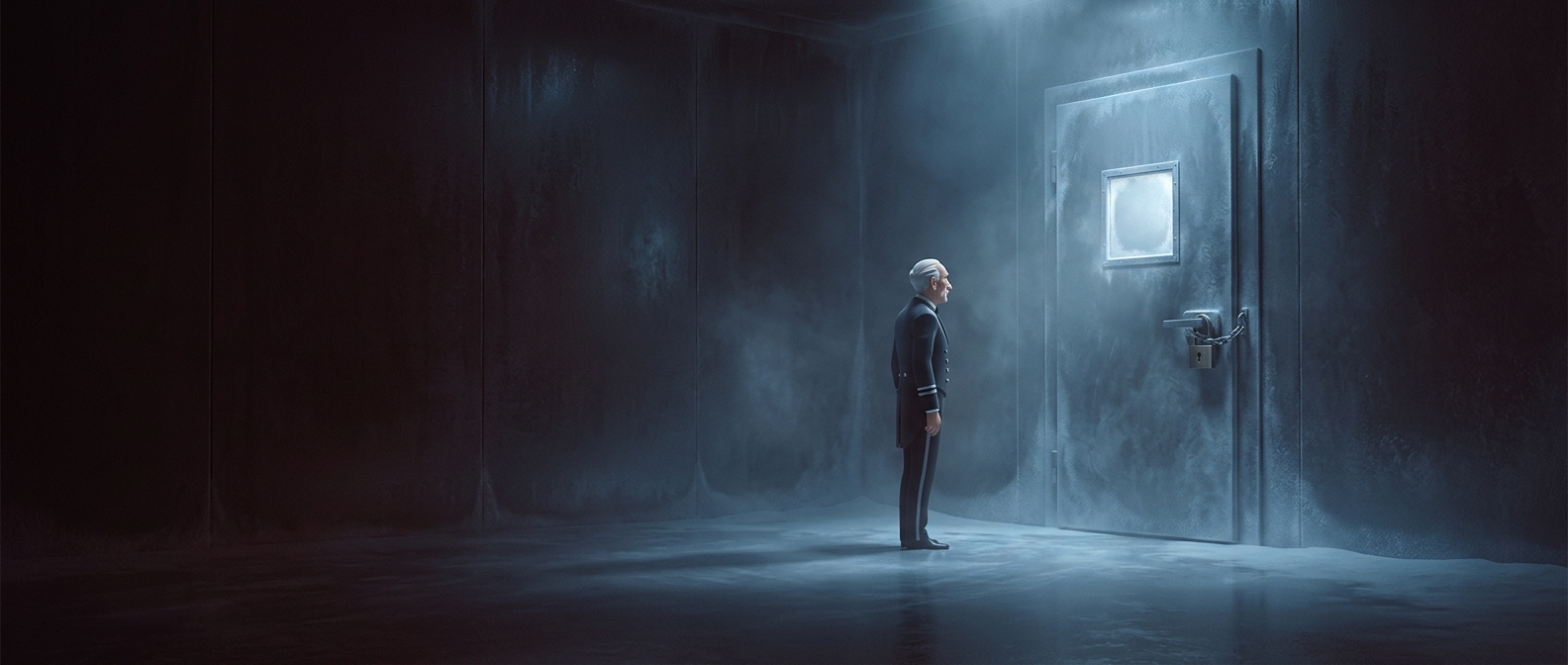
The kitchen turns that nuisance into an opportunity. Its freezer has a door that can be shut, and the butler’s simple pursuit makes him easy to lead. Walk into the freezer with him following, step back out, then close the door behind him. The game’s household helper becomes a captive audience for the rest of the mansion tour.
A small space for experimentation
The trick works because the tutorial mansion is more than a sequence of instructions. It is a place players can wander through, testing how Lara moves and how the environment responds. The butler’s predictable path and the freezer’s usable door combine into a little improvised puzzle: players supply the goal, while the game provides the pieces.
That kind of discovery is especially memorable because it turns a character meant to make the house feel lived-in into a toy for experimentation. No new weapon or hidden level is needed; the joke comes from noticing that an ordinary door can change the relationship between Lara and her persistent follower. The mansion’s lesson, in this case, is less about combat than about how freely players can play with the world.