Why a digital game library may not pass to heirs
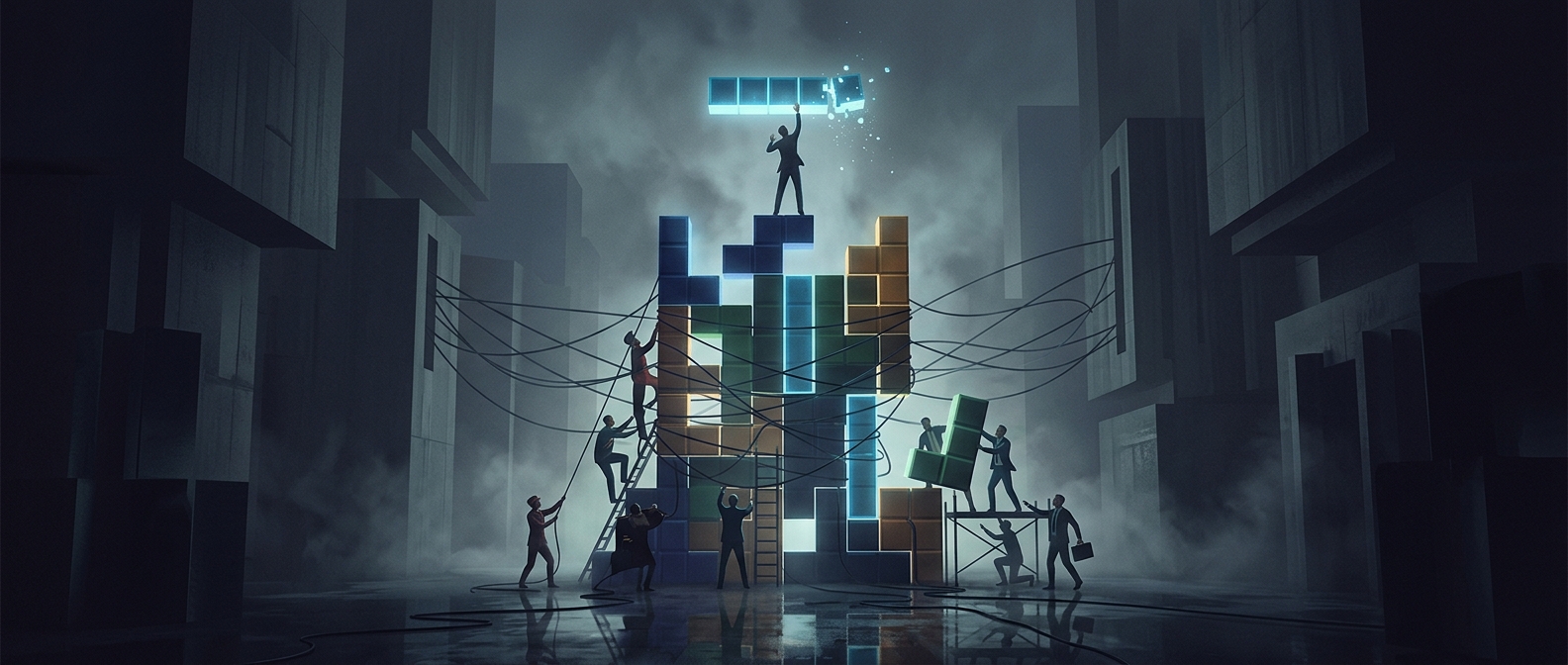
A purchased game often looks like an ordinary possession: it sits in a library, can be downloaded again, and may have cost as much as a boxed copy. But the storefront usually records something different: permission for a particular account to access the game. That account is governed by a service agreement, and many major platforms do not treat it as an asset that can simply be handed to another person after its owner dies.
The account is the key
When a player installs a game, the platform checks the account’s entitlement—the record that says the account may use it. If the account becomes inaccessible, the game may be inaccessible too, even if it remains listed in the library or is still stored on a computer. A family member who inherits the computer does not necessarily inherit the account or its purchase rights.
That distinction also matters for games tied to online services. A title may require the storefront to verify ownership, or may depend on a publisher’s servers for some features. So keeping the game files is not always enough to keep playing.
What heirs can—and can’t—count on
The outcome depends on the platform’s rules, local law, and the particular game. Some services may offer account-recovery or family-access options, but those are not the same as transferring ownership, and they may not cover every purchase. Physical discs are different in one important respect: they can usually be passed along as objects, though a game may still rely on online access or a personal account.
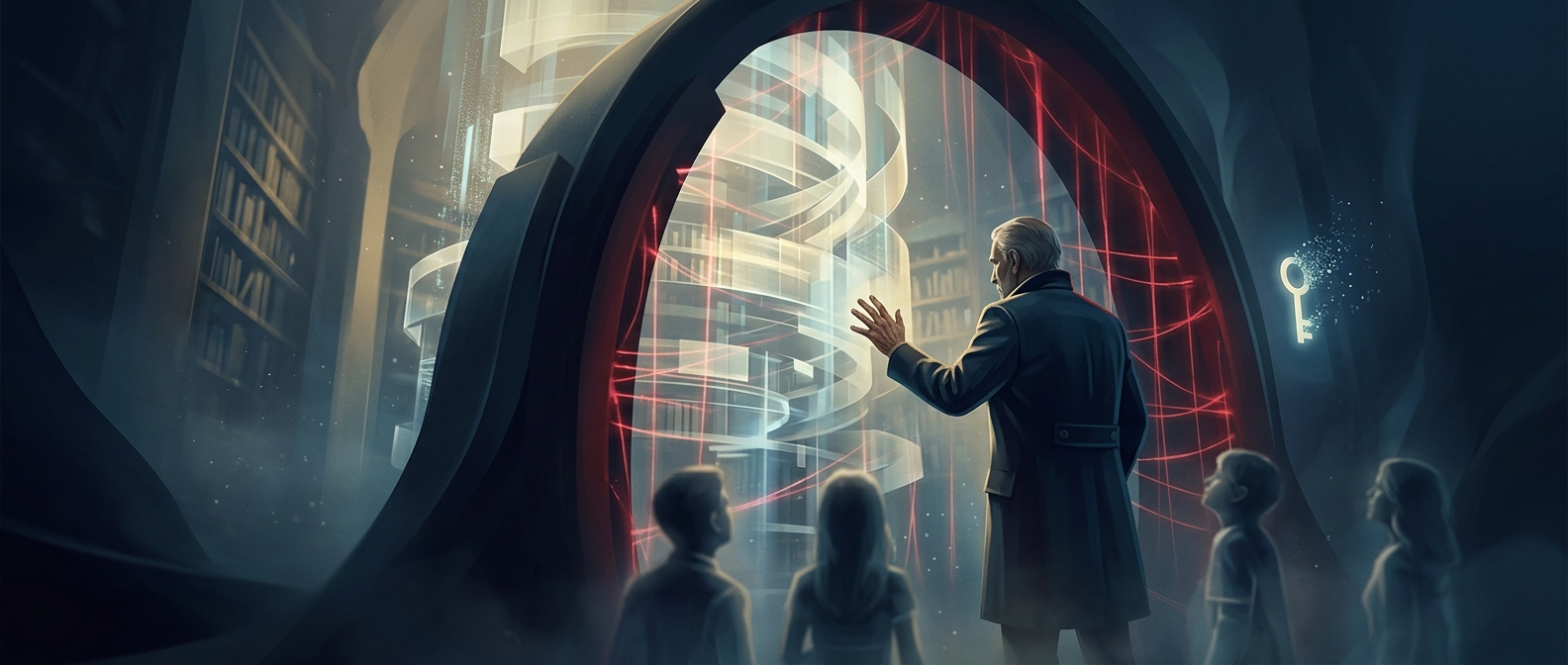
For a digital library, the practical inheritance may therefore be less like receiving a shelf of games and more like receiving a key that only its original holder was allowed to use. A collection built over decades can remain visible in a deceased player’s account while still being unavailable to the people who inherit everything else.