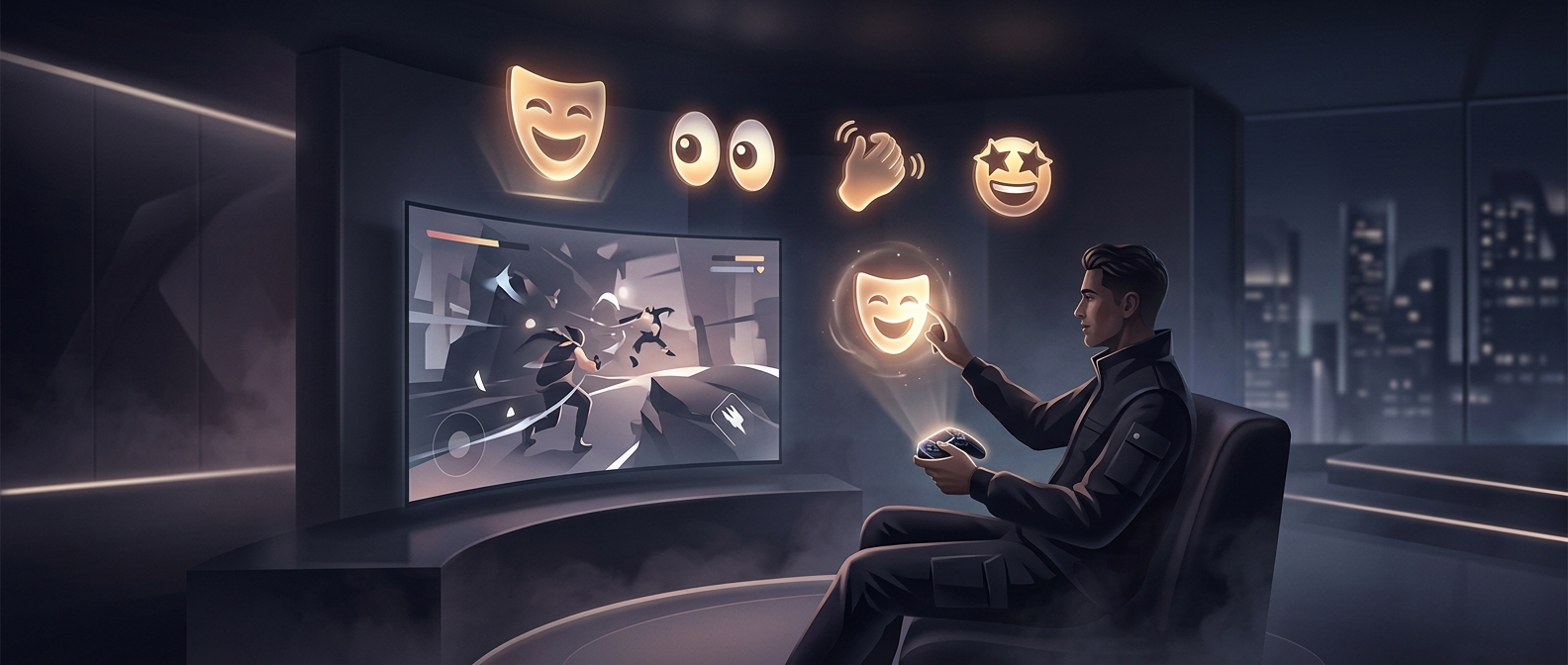
Giving Humor Its Own Signal
A game review can do two different jobs: help someone decide whether to buy, or entertain people who have already arrived. Steam’s “Hilarious” reaction gives readers a way to recognize the second without pretending it is the first. Instead of treating a joke as a useful critique, readers can mark it as funny.
That distinction matters on a platform where reviews are also part of the community’s conversation. ASCII drawings and puns can spread because they are easy to enjoy and copy, while a careful account of performance, controls, or story takes more effort to write. A comedy reaction makes the joke legible as comedy, rather than leaving its popularity to stand in for its usefulness.
A Reaction Changes What Readers See
Reactions are small signals, but they shape how people interpret a review. A high response to a gag says that readers enjoyed it; it does not necessarily tell a prospective buyer whether the game works well. Separating those signals helps preserve room for both kinds of participation, while making the review page’s purpose clearer.
The tradeoff is that humor remains visible—and may still draw attention—because the platform is a social space as well as a shopping tool. The reaction does not turn a joke into a product critique. It lets the community laugh at one while leaving buyers better able to distinguish laughter from advice.