A Short Name With a Long Shadow
When Mojang announced Scrolls, the name described the game’s fantasy setting and its collectible cards. But it also echoed The Elder Scrolls, Bethesda’s established role-playing-game series. Bethesda’s concern was not that the two games played alike; it was that players might take the shared word as a sign of a connection between them.
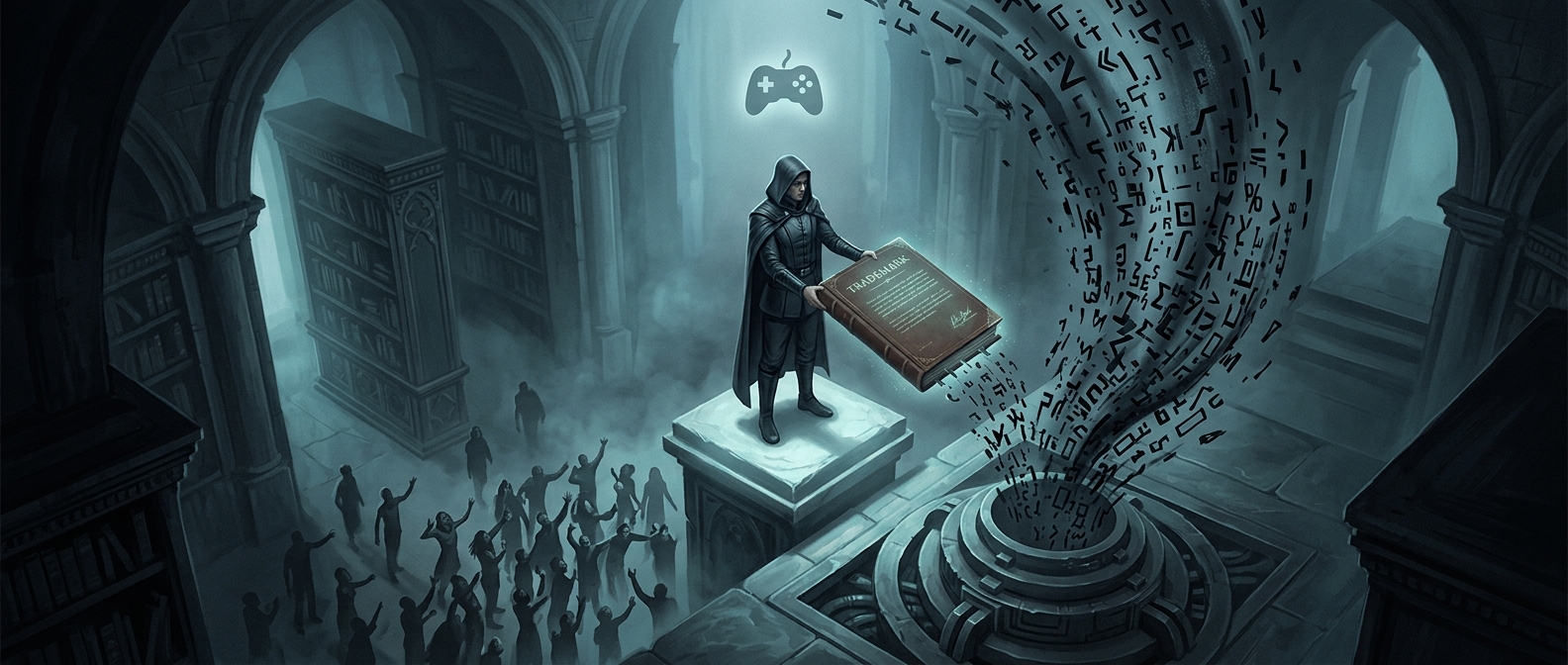
That distinction is central to trademark disputes. A trademark is meant to help people identify who made or authorized a product. The question is not simply whether two games are identical, but whether a name could mislead customers about their relationship. A familiar franchise name can make even one shared word feel more consequential than it would be on its own.
The Compromise Preserved the Game
The disagreement became a legal fight over the name, putting Mojang’s small fantasy card game in the same conversation as a major game franchise. It also made the title itself a design constraint: changing it could weaken the identity the developers had already built, while keeping it risked an expensive, distracting dispute.
The companies eventually settled, allowing Mojang to release the game as Scrolls under agreed limits on how the name could be used. The episode shows how a single word can carry different meanings for creators and audiences: to Mojang, it fit a game about fantasy cards; to Bethesda, it sat close enough to a famous series name to raise the possibility of confusion. The legal battle was over what players might infer from the title, not whether the games were the same kind of game.