A chord progression is only part of the comparison
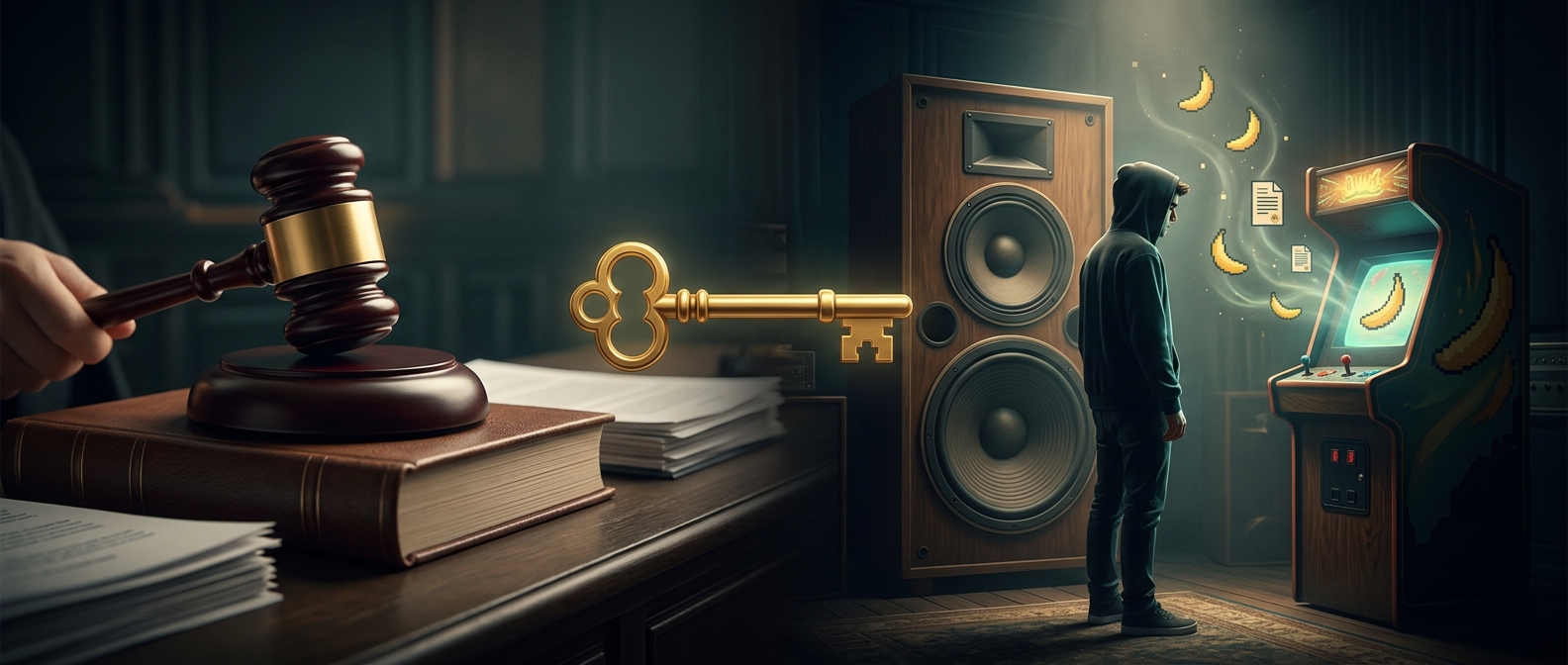
A lawsuit over similar-sounding music is rarely just a contest over who used the same few chords. Chord progressions—sequences of chords that support a tune—are common building blocks, and a short progression by itself is generally difficult to claim as someone’s exclusive creation. The closer questions are whether the songs share more distinctive material, such as a melody, rhythm, bass line, or arrangement, and whether the overall resemblance is strong enough to matter legally.
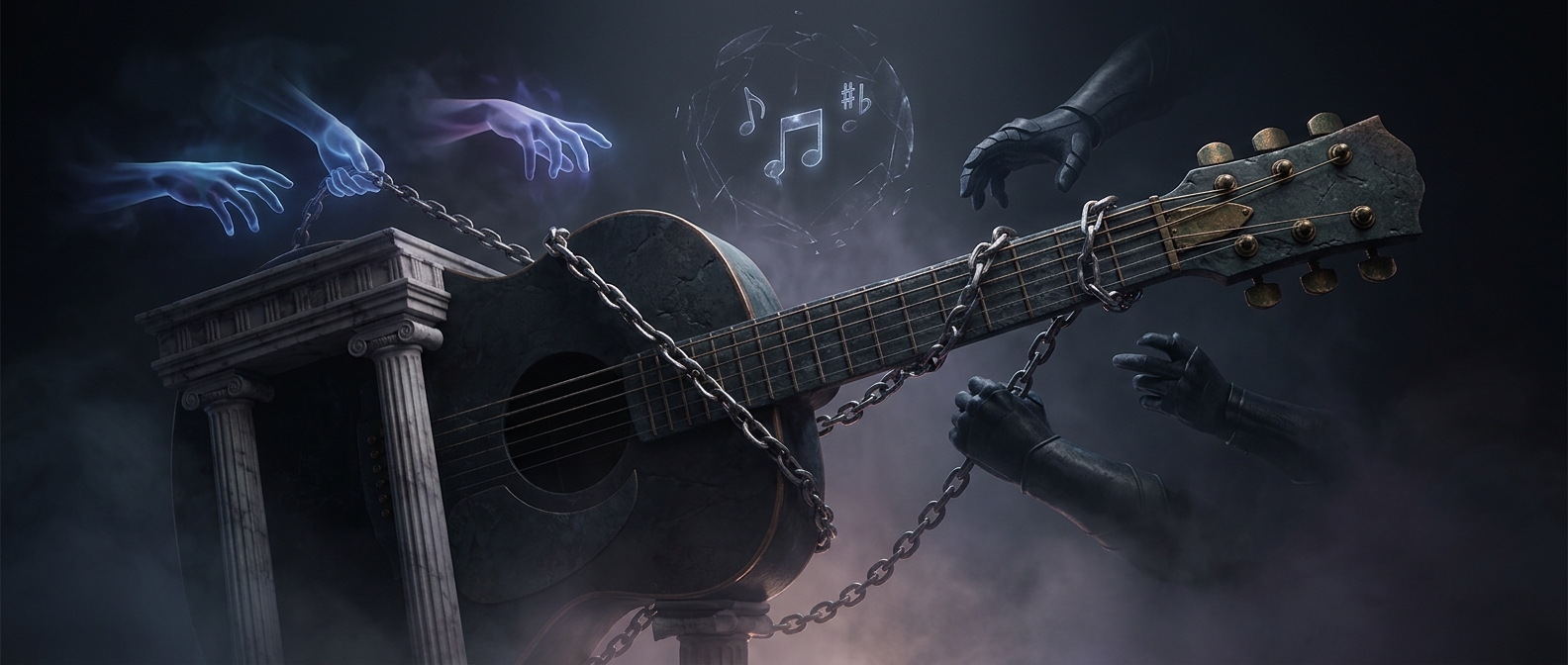
That can make a battle track a complicated case. Music for a game may need a particular pace, mood, or intensity, and composers draw on familiar musical conventions to deliver it. But a combination of choices can sound unusually close to an existing hit even when no single chord is remarkable. The allegation in this case was that the track echoed a famous rock song closely—not merely that both used a common sequence of chords.
Why the studio can face the fight
A freelance composer may have written the music, but the game studio is the party releasing it as part of a commercial product. If a rights holder challenges that use, the studio may have to defend its game, negotiate, or remove or replace the music. Sorting out who created what, and how similar the works are, can require costly legal work and expert analysis.
A settlement can end that expense and uncertainty without establishing that the accused track infringed. The practical lesson is that a few ordinary chords may be harmless, while the distinctive musical choices built around them can turn a commissioned game cue into a costly dispute.