A game franchise can own the game but not its theme
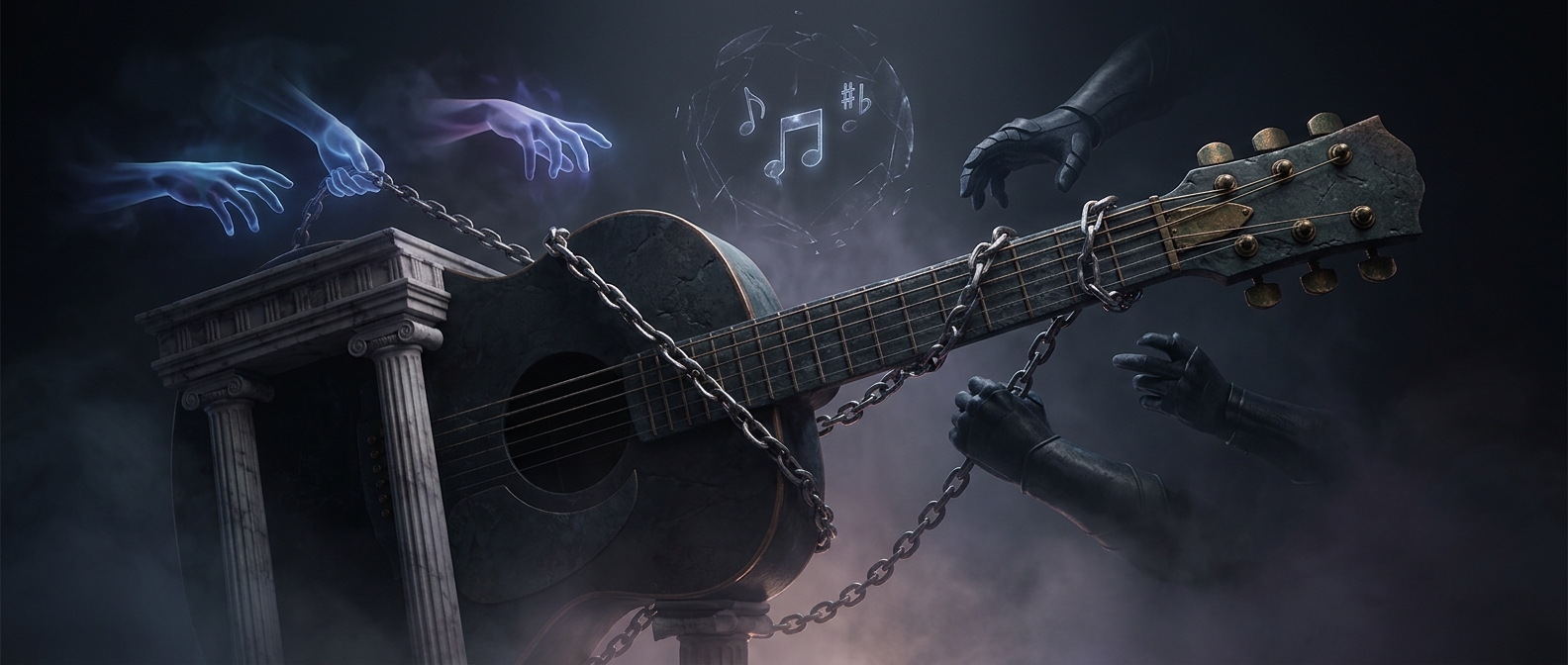
A familiar game theme may feel inseparable from the franchise, yet the music can have a different owner from the game itself. Copyright in a composition—the notes and arrangement on the page or in a recording—can remain with its composer if the contract did not transfer those rights to the company. The company may still own the game, characters, and title.
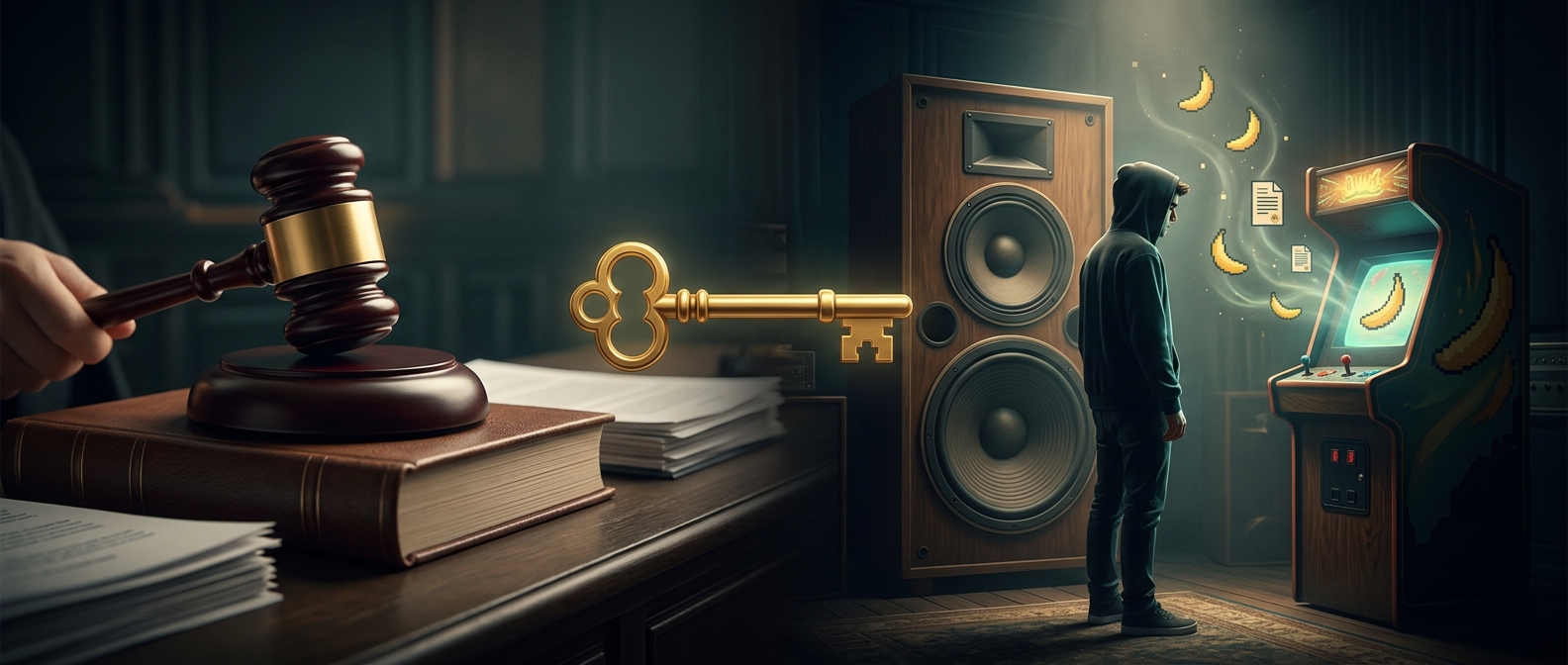
That split matters when an older game returns. A rerelease might need permission to include the theme, and the composer or whoever now controls the copyright may be entitled to a licensing payment. The fee and permission depend on the original agreement and what the new release uses; owning the franchise does not automatically settle every music right.
The recording can be a separate right
There may also be a distinction between the composition and the particular recording heard in the original game. Reusing that recording can involve rights in the sound recording as well as rights in the underlying music. A company that cannot—or does not—use the original audio might commission a new performance, but the composition’s rights can still matter.
This is why a decades-old theme can remain a practical part of rerelease planning, rather than simply an asset bundled with the game. The franchise may come back in one package, while its most recognizable melody still has its own chain of ownership.