How a song becomes a copyright match
A game’s soundtrack may feel like part of the play, but its rights can belong to a record label, publisher, or other music owner—not to the game maker or the player recording a video. A game company may have permission to include a song in the game without having permission for players to rebroadcast it in videos or livestreams. The scope of a license matters: permission for one use does not automatically cover every use.
Platforms can compare uploaded audio with reference recordings supplied by rights holders. If a match is found, the platform may apply the owner’s chosen response, such as blocking the video, muting a section, or directing revenue to the rights holder. The system recognizes the recording; it does not determine whether the creator deliberately featured the song or whether a particular use is legally permitted.
Why incidental music can still cause trouble
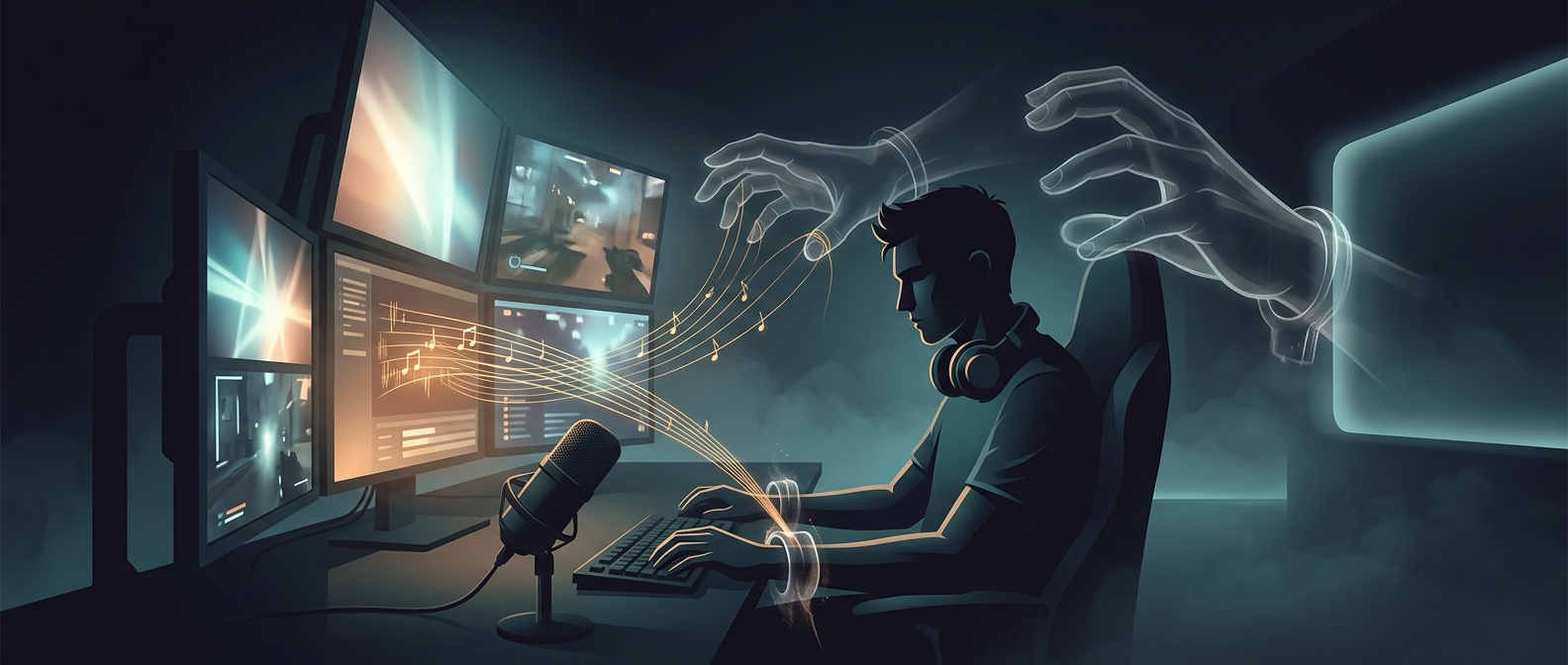
A song playing under gameplay can be audible enough to match even when the creator is talking, the game is the focus, and the music is only in the background. That can leave creators dealing with a claim over audio they did not choose to spotlight. A platform claim is not the same thing as a lawsuit, though disputes over rights can escalate beyond the platform’s automated process.
Creators and streamers often reduce the risk by turning off licensed tracks, using a game’s streamer-safe music setting when available, or replacing the audio before posting. These precautions matter because the soundtrack heard by a player is not necessarily cleared for an audience watching online.