Why Twitch was more than a video site
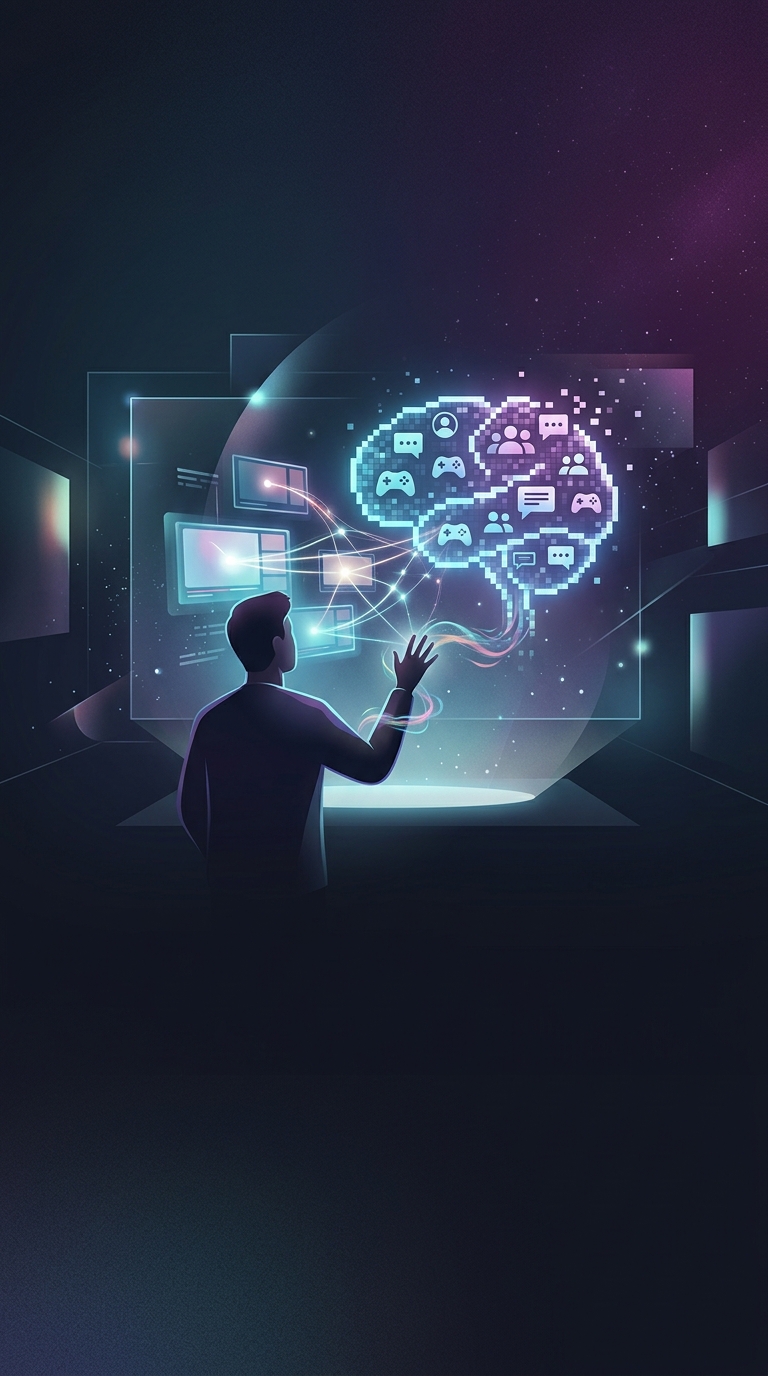
Twitch’s value lay in the fact that watching was only half the experience. A streamer played in real time while viewers followed along and sent messages in a shared chat. The streamer could respond, react to suggestions, or acknowledge familiar names, making a broadcast feel less like a finished video and more like a gathering with an ongoing conversation.
That format created a powerful loop: streamers drew viewers, active audiences made broadcasts more engaging, and those audiences gave creators a reason to keep returning. A newcomer could browse many live channels, while a loyal viewer might show up for a particular creator. The platform was therefore built around relationships and routine, not just a catalog of content.
What Amazon gained
Buying Twitch gave Amazon an established place in live online entertainment, along with the community and creator activity that would have been difficult to reproduce simply by building a video service. Live broadcasts also behave differently from on-demand shows: viewers often watch at the same time, and the chat makes the audience visible to itself. That immediacy can keep people involved even when they are not playing the game on screen.
The acquisition also connected Amazon to a form of entertainment rooted in gaming culture. Its significance was not merely that millions of people could watch games; it was that Twitch had made watching, chatting, and following individual creators part of the same habit. The deal bought Amazon a platform where the audience was not just consuming a show—it was helping make the live event feel alive.