The player became part of the game
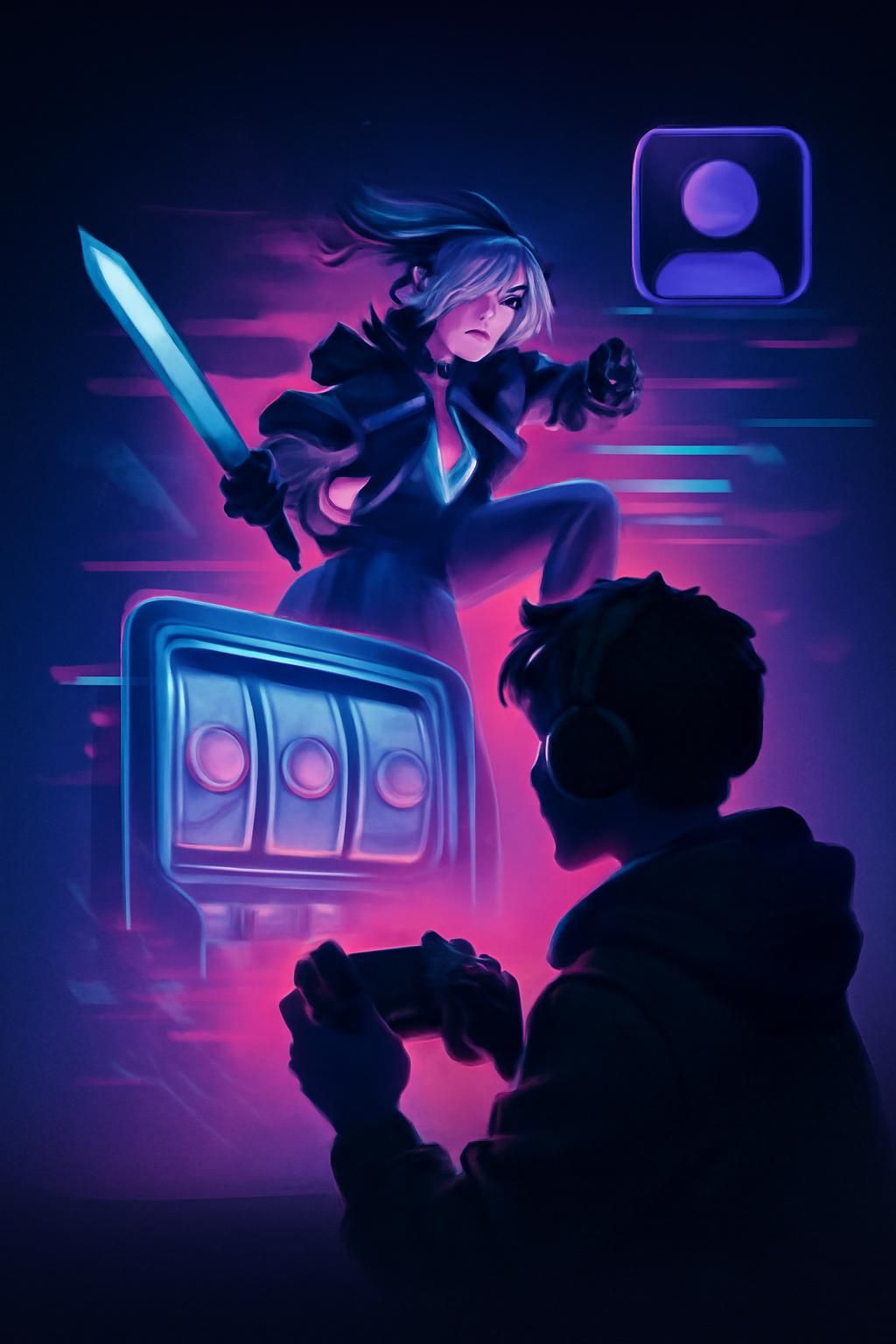
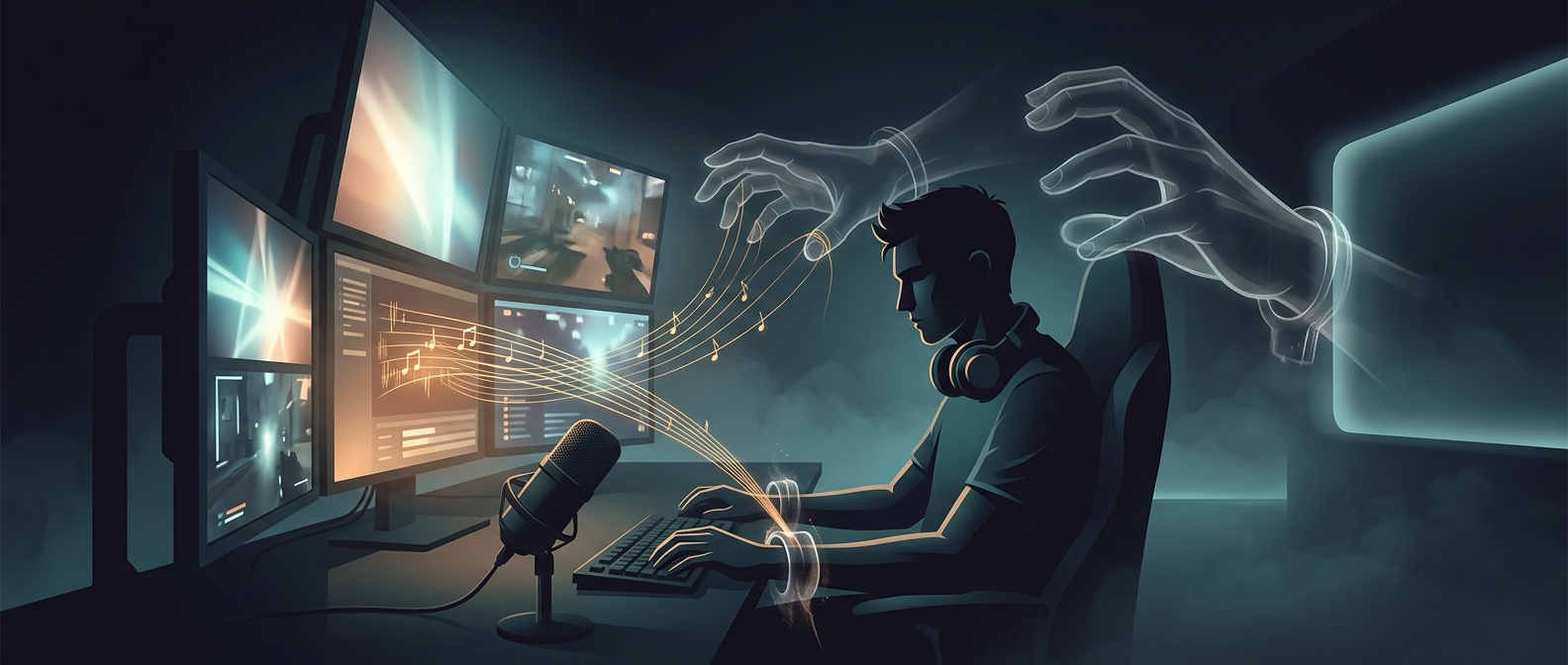
A conventional game review keeps the critic outside the action: play first, then explain what worked. On-camera play collapses those steps. Viewers watch someone encounter a game in real time, so a startled laugh, a bad decision, or a sudden change of strategy becomes part of the entertainment—not just commentary about it.
That format suited PewDiePie’s expressive style. The game supplied a sequence of surprises, while his reactions gave viewers a human thread to follow. Because the appeal depended less on elaborate sets or polished production than on timing and personality, a small, unfamiliar game could hold attention alongside a better-known one.
Why the format could travel
Independent games often lack the advertising reach of major releases. A playthrough offered a different route to discovery: viewers could see the premise, mood, and mechanics in action before deciding whether to try the game themselves. If a moment was funny, frightening, or baffling, it also gave viewers something easy to share and discuss.
The relationship ran both ways. An audience arrived for the creator’s reactions, but its interest could make the game itself more visible. That did not guarantee a hit; it gave a game another chance to find players beyond the usual marketing channels.
A repeatable media engine
The key was that each session could produce more than one kind of value: a complete viewing experience, a continuing connection with the creator, and a window into a game many people had never heard of. That made on-camera play a format that could sustain a large audience without resembling traditional television production.
The lasting shift was simple: watching someone play could be an attraction in its own right, with the player’s personality turning even an obscure game into a shared event.