Why a Walking Tour Keeps Stopping
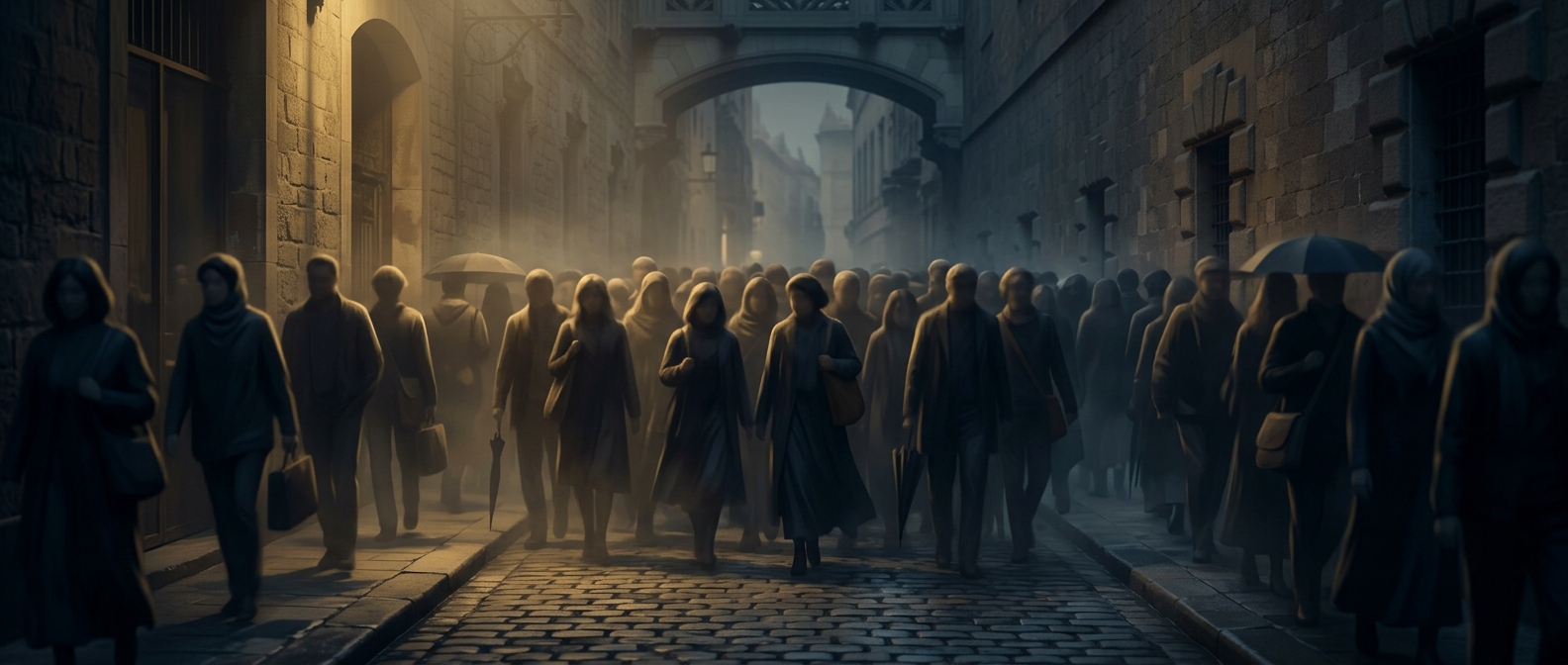
A city group moves less like a line of independent walkers than like a small procession. At a busy crossing, the guide may have to wait until everyone gets across; at a narrow sidewalk, the group can stretch out, making it harder to hear or stay together. A few seconds of delay at each bottleneck can become a recurring pause.
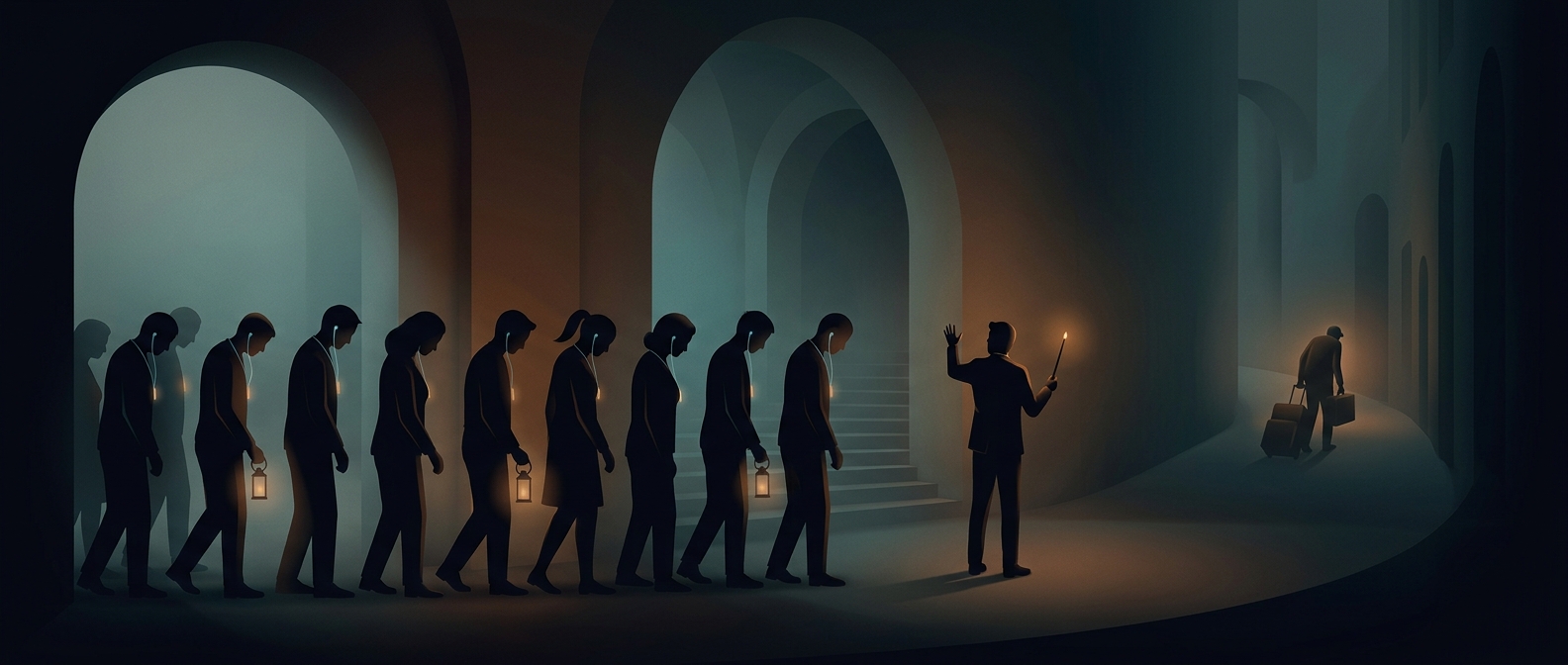
The guide is also managing two tasks at once: explaining the place and keeping track of the people. Before turning onto another street or leaving a landmark, they need to know the group is intact. If someone stops to take a photo or misses a direction, the guide may pause the explanation rather than risk losing them in unfamiliar streets.
One Pace, Many Reasons for Walking
Even on a short route, people walk at different speeds. Some linger over details; others keep up easily, while uneven pavement, crowds, heat, or stairs can slow someone down. A tour has to accommodate the whole group, so the route’s effective pace is set by the people who need more time—not by the distance on the map.
That changes what fits into the outing. Guides often build in pauses and choose meeting points that are easy to find, but an unexpected delay can still shorten time at a later stop. The tradeoff is simple: moving quickly may preserve the schedule, while waiting keeps the group together. On a guided city walk, the route is therefore measured not only in blocks, but in how long it takes everyone to reach the next place.