A closer look
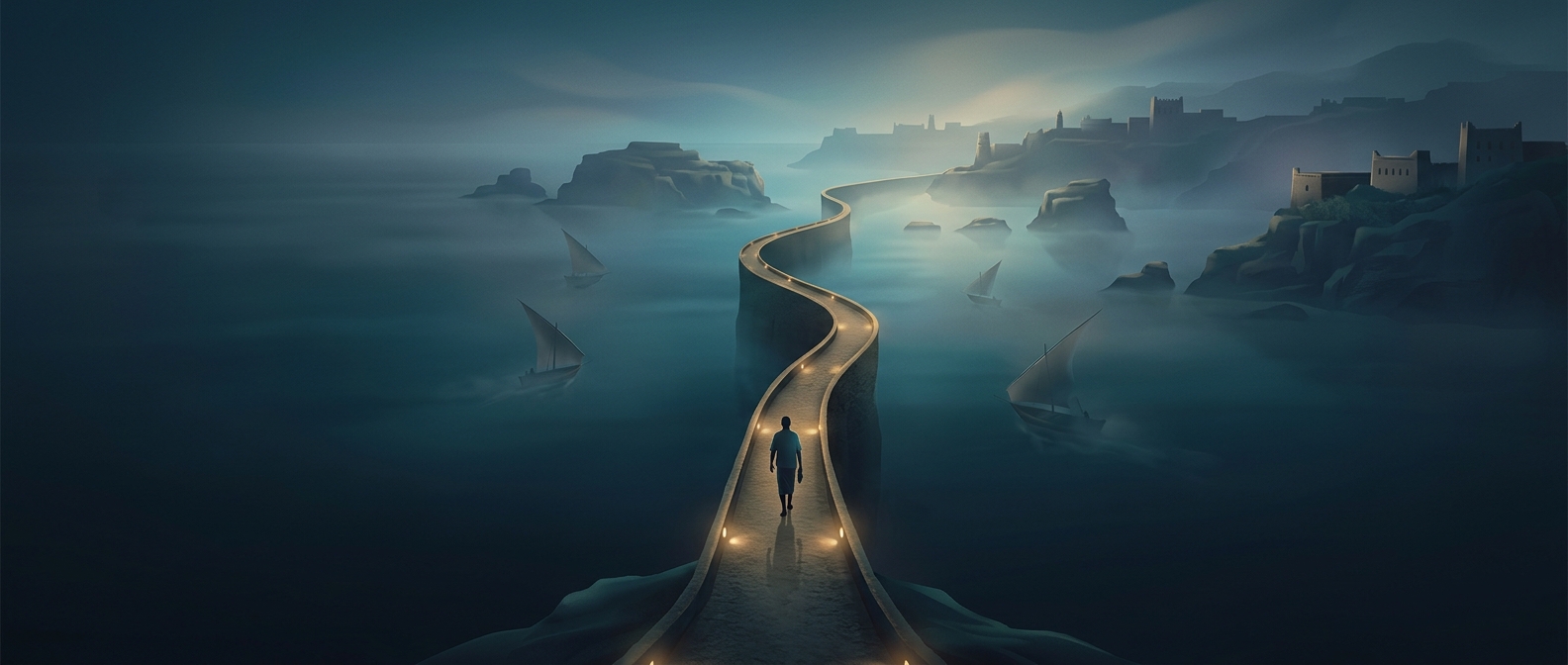
For over four centuries, the tiny Ilha de Moçambique was the colonial capital of Portuguese East Africa, isolated entirely by the Indian Ocean. Its untouchable status bred a wildly unique mix of Swahili, Arab, and European architecture. Then, in 1974, they slapped down a two-mile, single-lane bridge connecting it to the mainland. Practically overnight, the island’s centuries-old geopolitical monopoly evaporated, turning a thriving, isolated cultural fortress into a sleepy, crumbling tourist detour accessible by a terrifyingly narrow strip of concrete.