Why the Gutter Ends the Shot
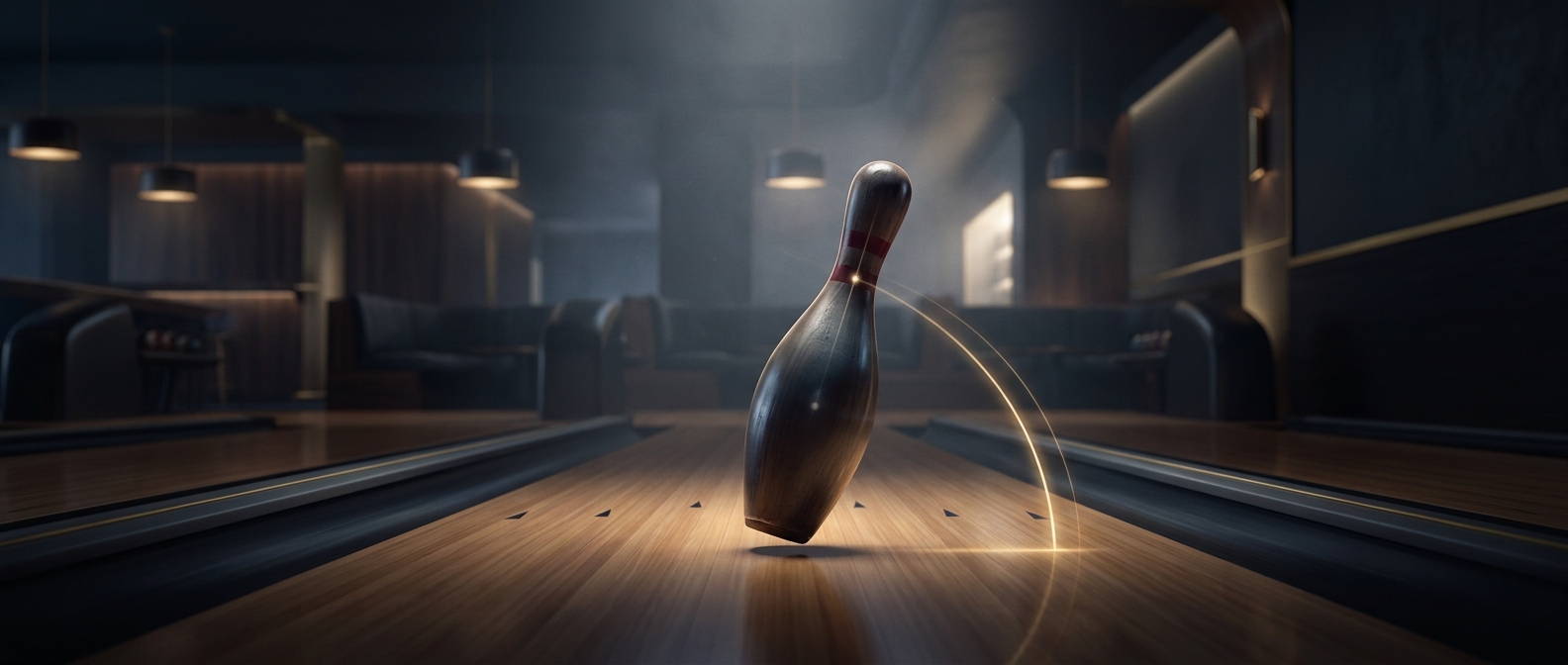
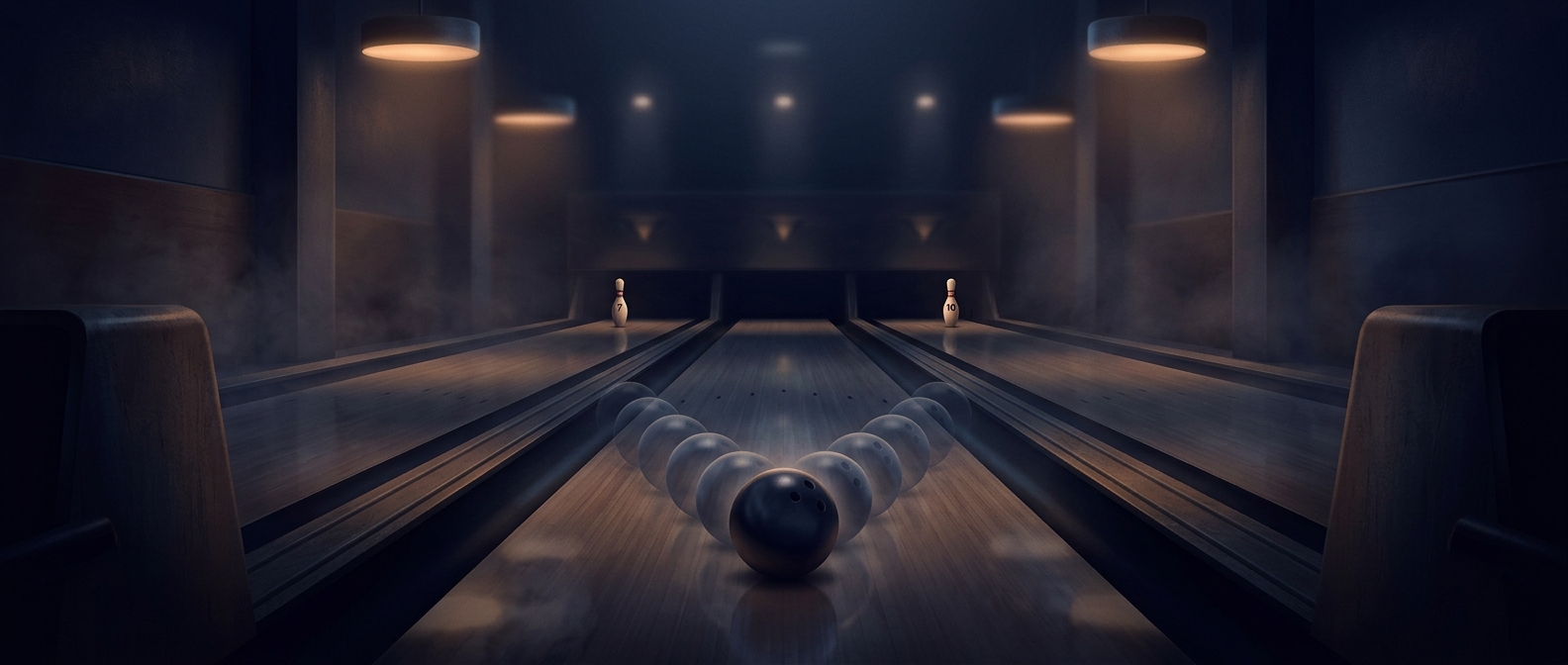
A bowling lane is a narrow, flat strip, with a recessed channel—the gutter—running along each side. Once the ball crosses the lane’s edge, gravity carries it down that lower channel. The gutter’s shape keeps it moving beside the lane rather than letting it roll back onto the playing surface, where the pins stand.
That makes the gutter more than a boundary: it routes a wayward ball past the target. The ball can keep rolling toward the far end, but it has left the path that leads to the pins. Its weight and material cannot make up for that lost route.
A Miss Is Not Always a Lost Frame
In ten-pin bowling, a gutter delivery knocks down no pins, so it scores zero for that roll. But the result does not necessarily end the frame. If the gutter ball is the first delivery, the bowler can still use the second delivery to try to knock down the remaining pins. Only when the ball goes into the gutter on the final available delivery is there no further chance to recover.
The channel therefore turns a small miss at the lane’s edge into a complete miss of the target—while the rules may still leave the bowler one more shot.