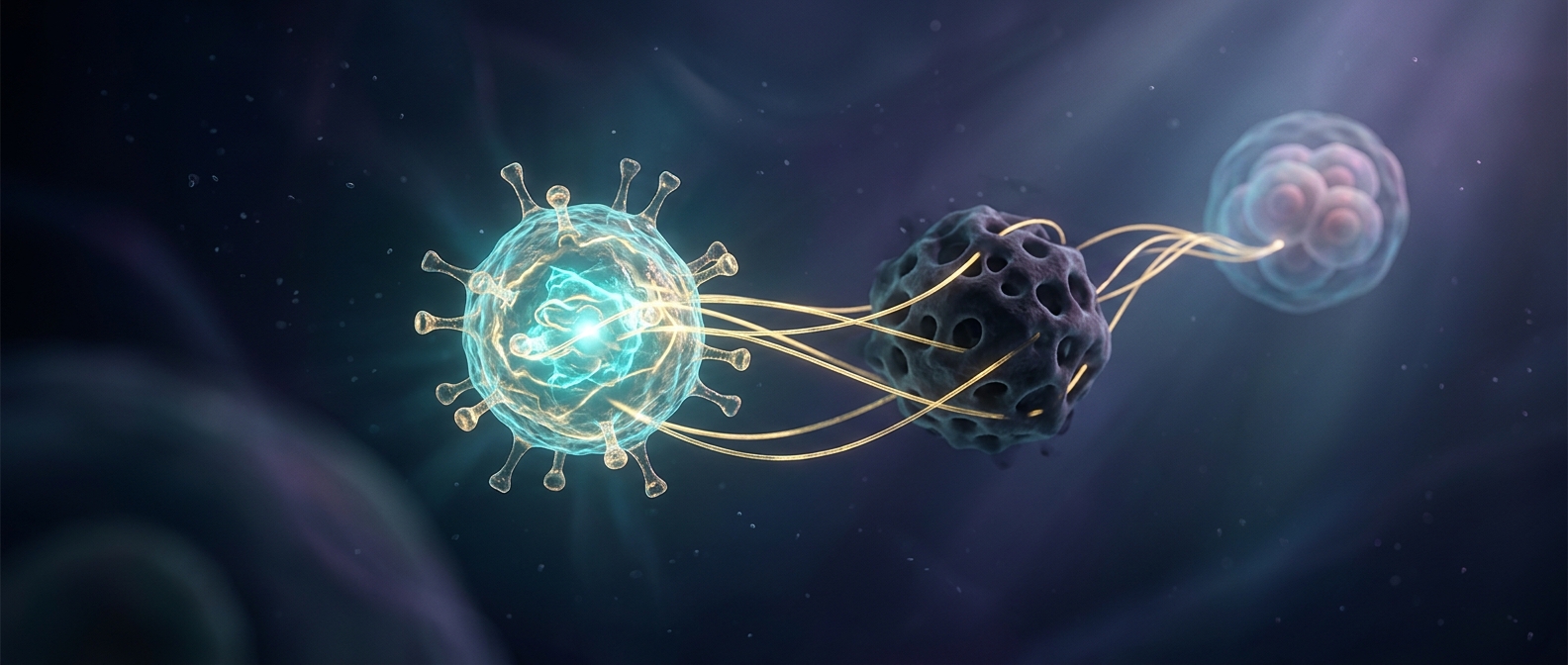
More pathogen can mean more chances to transmit
An infection often spreads when a pathogen—such as a virus—multiplies in the nose, throat, or lungs. As an infected person breathes, talks, or coughs, some respiratory particles can carry pathogens out into the air. If more infectious material is present in the airways, the person may release more of it, raising the odds that someone nearby inhales a particle containing enough pathogen to start an infection.
That is a matter of probability, not a guarantee. Many particles contain no viable pathogen, and inhaling one does not always lead to illness. A person’s chance of becoming infected also depends on how much contaminated air they breathe, for how long, and on their own defenses.
Transmission depends on the whole encounter
The amount someone sheds is only one part of exposure. A crowded, poorly ventilated room can allow respiratory particles to accumulate; spending less time together or bringing in fresh air can reduce the amount another person inhales. Distance can matter too, especially close to someone who is emitting particles. These factors help explain why the same infected person may transmit an infection in one situation but not another.
The amount of pathogen in a person’s airways can also change over the course of an illness. Symptoms alone do not give a reliable measure of how much infectious material someone is releasing: a cough may spread particles, but breathing and talking can release them as well. Transmission risk is the combined result of what an infected person emits, how the air carries it, and how much another person takes in.