A movie souvenir with monetary status
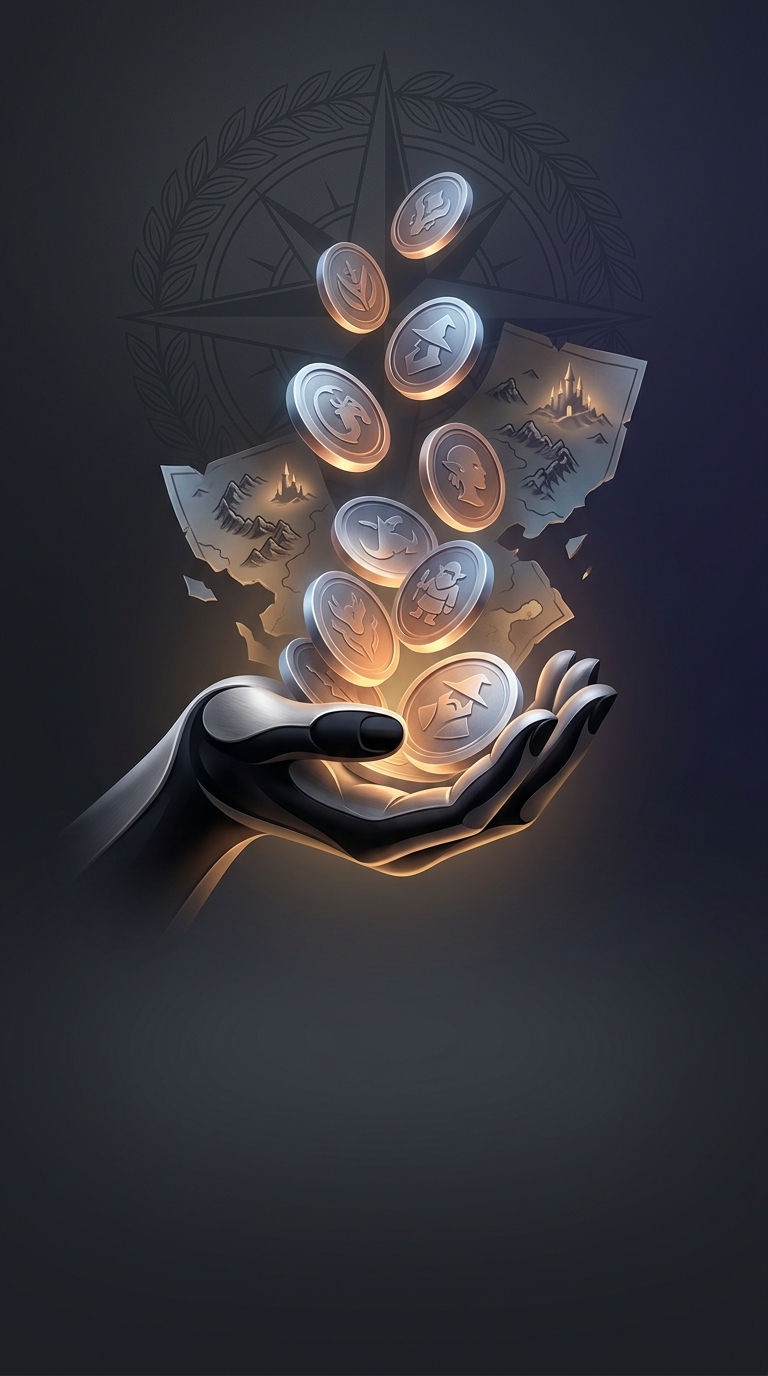
The Lord of the Rings coins sat between two markets. Their designs turned characters from the films into objects fans could own, while their official status made them genuine New Zealand currency rather than privately produced tokens. That distinction mattered: a shop could accept one at its face value, and the coin could also be bought and kept as a piece of film memorabilia.
Face value was only one kind of value
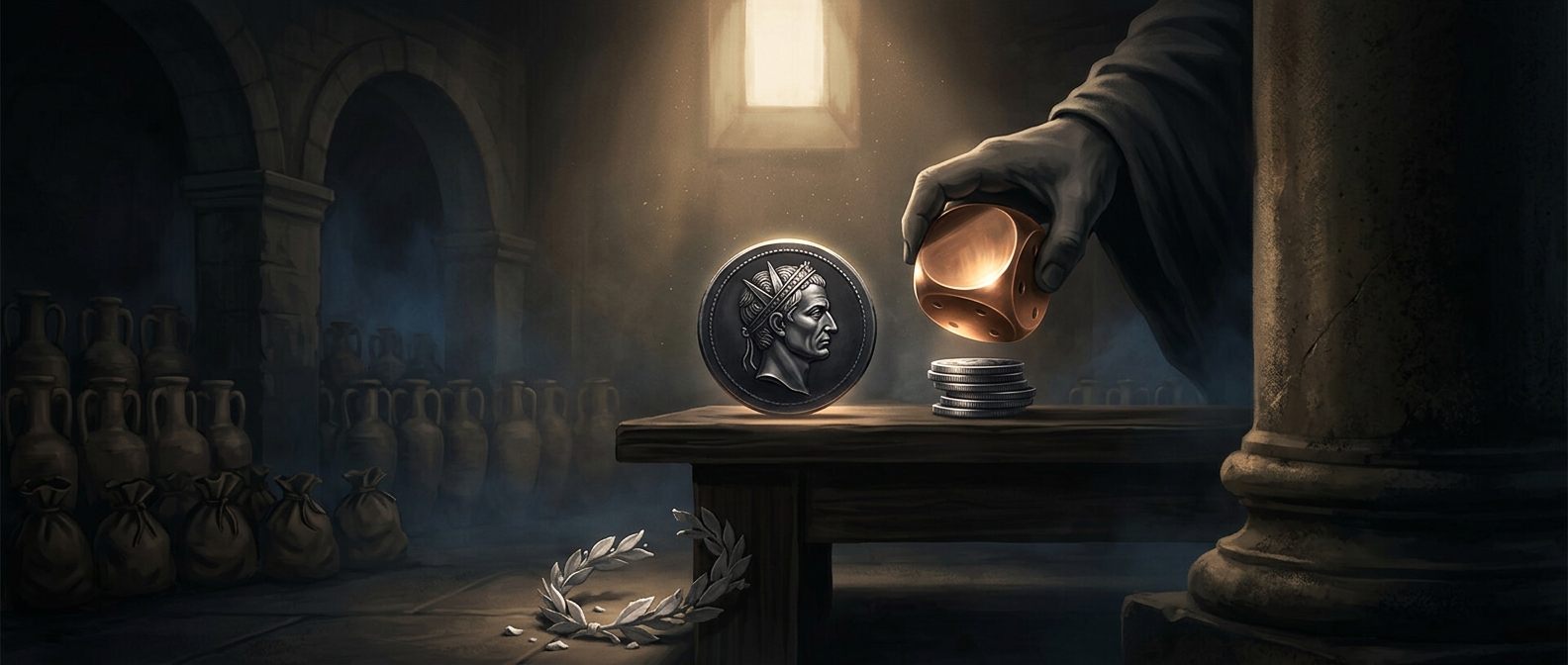
A coin’s face value is the amount printed or otherwise assigned to it for payment. A collector, however, may care more about its design, condition, scarcity, or connection to a popular story. Those interests can make a coin worth more to a fan than the amount it would cover at a checkout.
That created a simple tradeoff. Spending the coin exchanged it for goods at its official value; keeping it preserved the possibility of owning a collectible that other fans also wanted. For many recipients, the second option was more appealing. The coins could be legal tender without behaving like ordinary change in everyday shopping.
A marketing campaign with a built-in keepsake
For the film franchise, official coins made the promotion tangible: fans could take home a designed object linked to the movies, not just an image on a screen. Their legal status added an unusual twist, but did not guarantee that people would spend them. Once collectors began holding onto coins, their role shifted from practical payment toward memorabilia—showing how an object can carry one value at the till and another in the hands of someone who wants to keep it.