Why the Dragon Turns Away from the Sword
An enemy in a game may not choose its target by asking who looks most dangerous. Many role-playing games instead track threat, a hidden score that rises when characters damage or heal. The enemy usually attacks whoever has built the highest score, subject to rules such as range, line of sight, and special abilities.
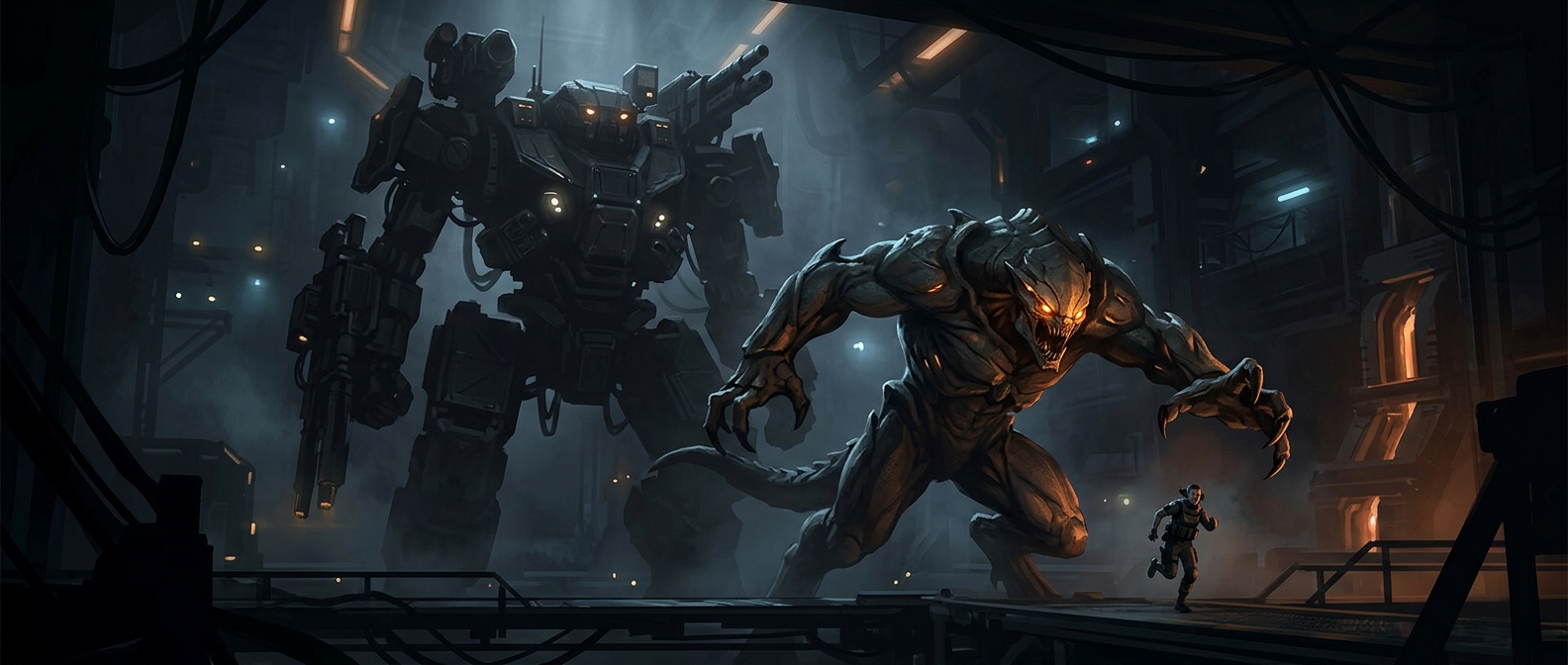
That makes the dragon’s turn feel startling but logical to the game system. A warrior can keep striking its armor while a healer’s powerful spell pushes the healer higher on the threat list. The dragon is not judging the spell as more frightening; it is following a number.
Why Healing Can Draw an Attack
Healing seems defensive, but it changes the fight: it keeps allies alive and lets them continue dealing damage. Games can therefore attach threat to healing, giving enemies a reason to pressure the person sustaining the group. The exact amount and how it is divided among enemies depend on the game’s rules.
This creates a tactical tradeoff. A healer may need to pace spells, stay near protection, or wait for a tank—a character built to hold enemy attention—to establish control. Tanks often have tools that generate extra threat or force an enemy to attack them temporarily. Those tools manage the system; they do not necessarily make the tank the enemy’s most damaging target.
Threat Is a Combat Rule, Not a Danger Meter
The distinction matters because players can misread an enemy’s behavior as a judgment of who poses the greatest real-world danger. In an aggro system, aggro means the enemy’s attention, and that attention may be governed by accumulated scores rather than apparent menace.
The result is a small but revealing design choice: a dragon can ignore the sword at its chest and charge the distant healer—not because the scene’s logic has failed, but because the game has made threat a resource players must manage.