Why Gum Can Pass Through Without Being Digested
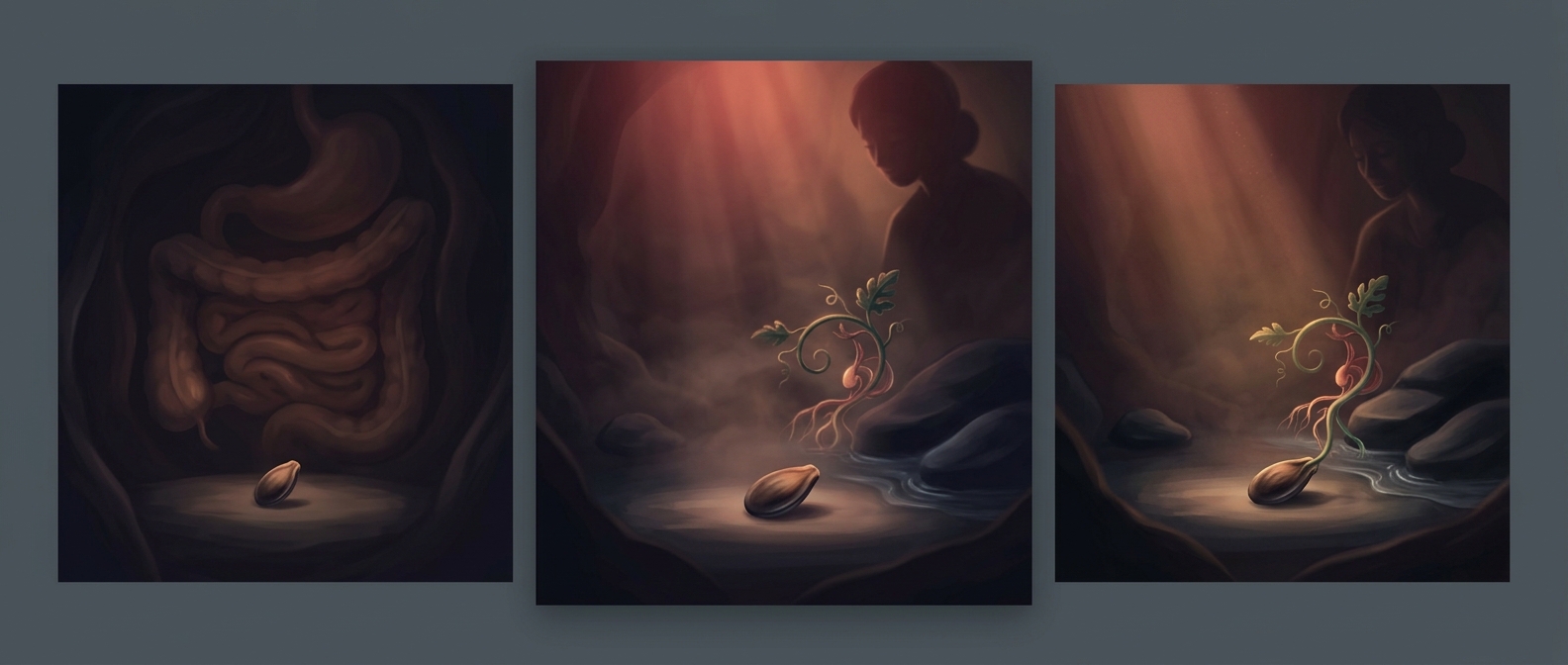
Digestion is not the same as movement. Your stomach and intestines break down food with acid, enzymes, and physical mixing, but they also keep moving material along. The stomach churns its contents, then releases them gradually into the small intestine, where nutrients are absorbed. Muscular waves called peristalsis push what remains onward through the digestive tract.
Chewing gum’s base resists the digestive chemicals that break down ordinary food. But that resistance does not make it stick to the gut lining or halt the muscles that move intestinal contents. The gum travels with other material through the tract; the body absorbs some ingredients in gum, while the base continues on and is eventually passed in stool.
Indigestible Doesn’t Mean Stuck
A swallowed piece of gum is more like a small, flexible passenger than a coating that clings to the intestines. Its passage can take longer or shorter depending on a person and what else is moving through the gut, so there is no exact timetable. But for a typical swallowed piece, the digestive system’s routine forward motion is enough to carry it out within a few days—not leave it behind for seven years.
The practical concern is swallowing gum repeatedly or in large amounts, especially for young children: a mass of indigestible material can contribute to a blockage. An occasional piece, however, does not need to be digested to leave the body; it only needs to keep moving along with everything else.