The inbox became the show
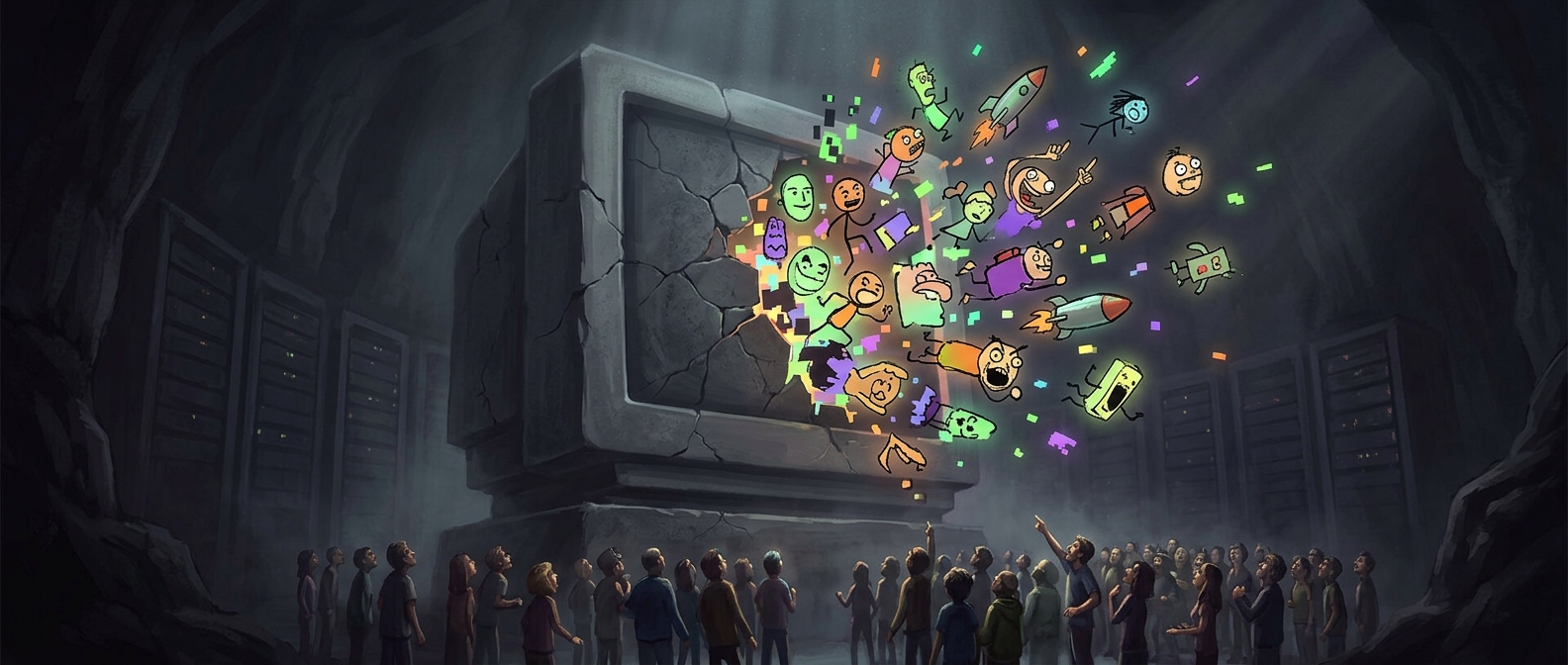
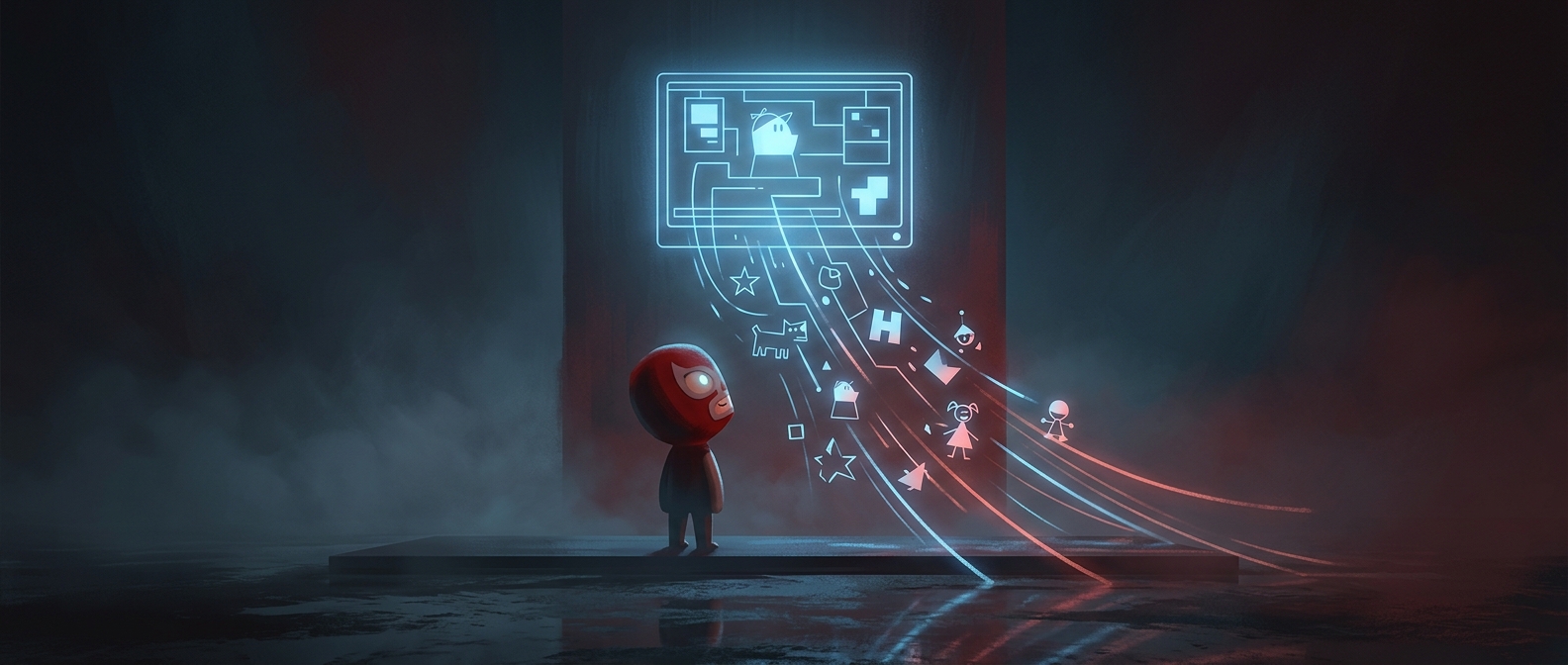
Homestar Runner turned a familiar piece of web life—sending an email—into a repeatable comedy format. In the “Strong Bad Emails” episodes, a viewer’s question appeared on screen, then Strong Bad, a boastful masked character, typed a reply. The joke was not simply that his grammar was bad: misspellings, abrupt topic changes, and overconfident answers made each response feel like a performance by a character who could not quite control his own act.
That structure gave the creators a useful balance. Each episode began with a real prompt, which made the site feel responsive, but the answer could veer into invented words, side characters, or an entirely new gag. The audience supplied the opening; the writers kept control of the punchline.
A running world built from small jokes
Episodes also accumulated details. A throwaway phrase could return later, and a character or fictional product introduced in one email could become part of the site’s shared vocabulary. Regular visitors were rewarded for recognizing those callbacks, while newcomers could still understand the immediate joke. Clickable extras and hidden details made browsing feel less like watching a fixed program and more like exploring a comic world.
The site’s independent, direct-to-browser format mattered. Its creators could publish short animated installments without fitting a television schedule or standard episode length. In the Flash era, animation and sound could play right in a web page, helping make each update feel like an event visitors could pass around.
From catchphrases to internet shorthand
Homestar Runner’s influence came partly from how easily its bits traveled: a line, invented word, or character voice could be quoted without needing the whole episode. Fans could use those fragments as shared references, while the original site kept adding new material for longtime followers to recognize. It offered an early model of online comedy as an ongoing exchange—not just a video people watched, but a fictional world whose audience helped decide what the creators would answer next.