Why a Polished Suitcase Shows Wear So Fast
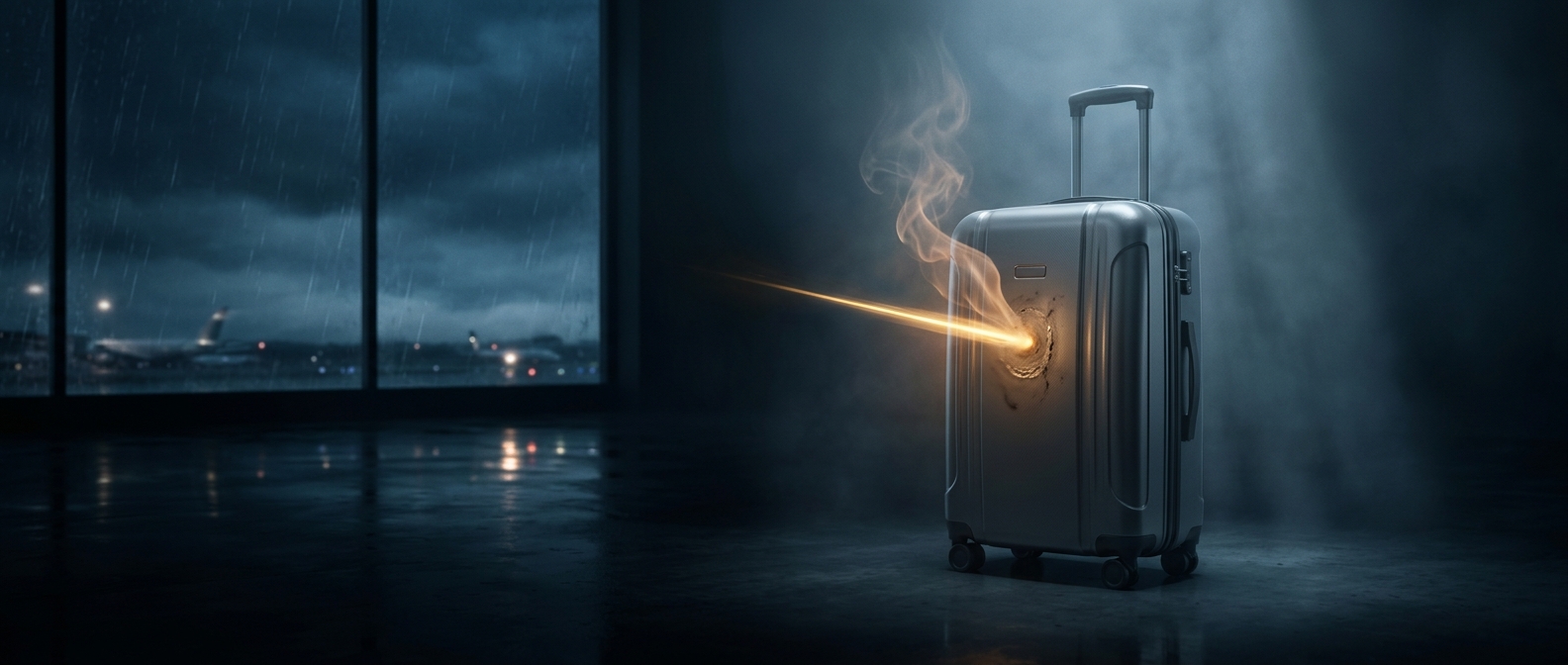
A reflective finish makes small marks unusually easy to notice. Light bounces cleanly off an unblemished surface; a scratch or scuff disrupts that reflection, creating a contrasting streak. On a matte or textured case, similar wear is scattered across the surface and tends to blend in.
Some marks are not deep scratches at all. Rubber from a conveyor, paint from a baggage cart, or grime from a curb can leave a streak on the finish. These transfers may wipe away, while a scratch has actually damaged the coating or material beneath it.
The Journey Is Rougher Than the Finish Suggests
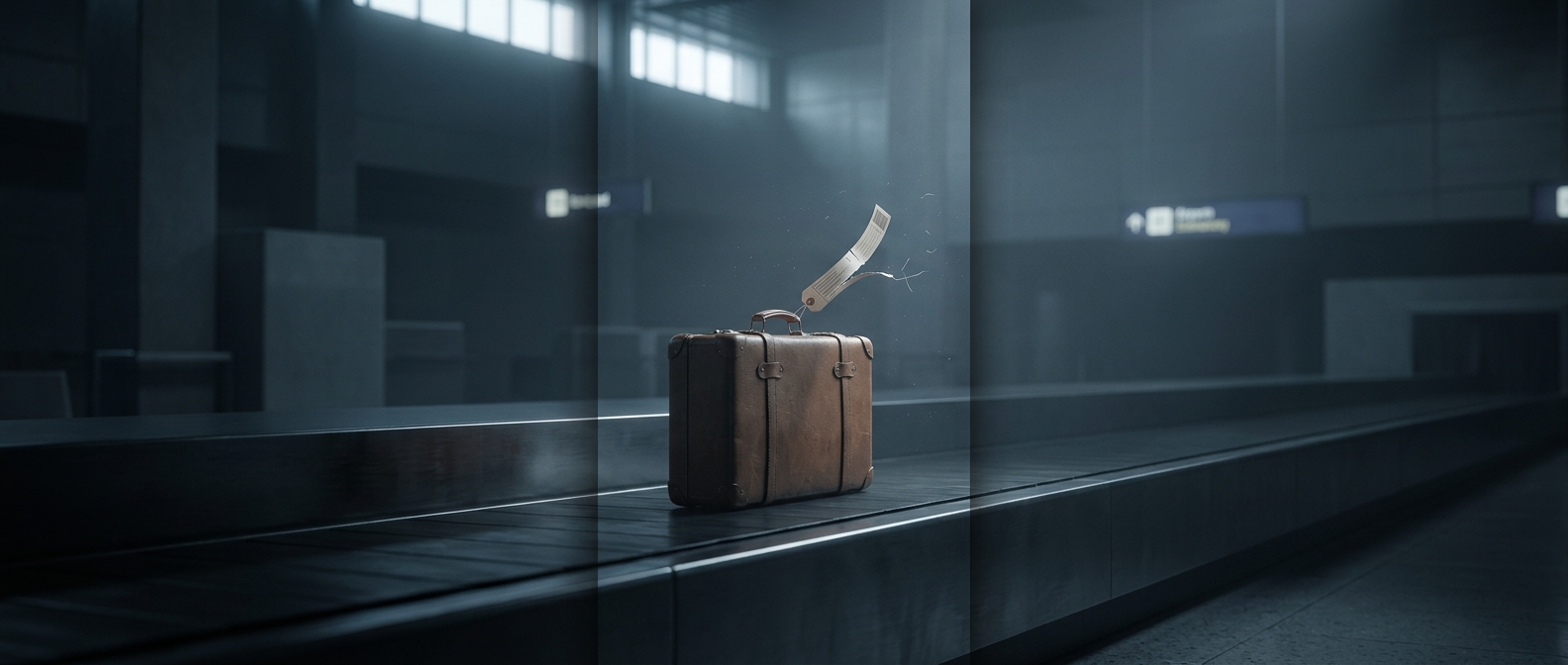
A suitcase is repeatedly set down, dragged, stacked, and squeezed against other bags. At airports, its shell can rub against belts, bins, cart rails, and hard floors. A glossy metallic look may suggest a smooth, pristine object, but the case is moving through a space built for fast handling, not gentle display.
That makes the first trip especially noticeable: the bright, uninterrupted surface is a high-contrast backdrop for every new mark. A textured finish can disguise scuffs better, while a reflective one trades that practical camouflage for its sleek appearance. The case may still be perfectly functional; it simply begins to show where it has been.