Why some suitcase shells use polycarbonate
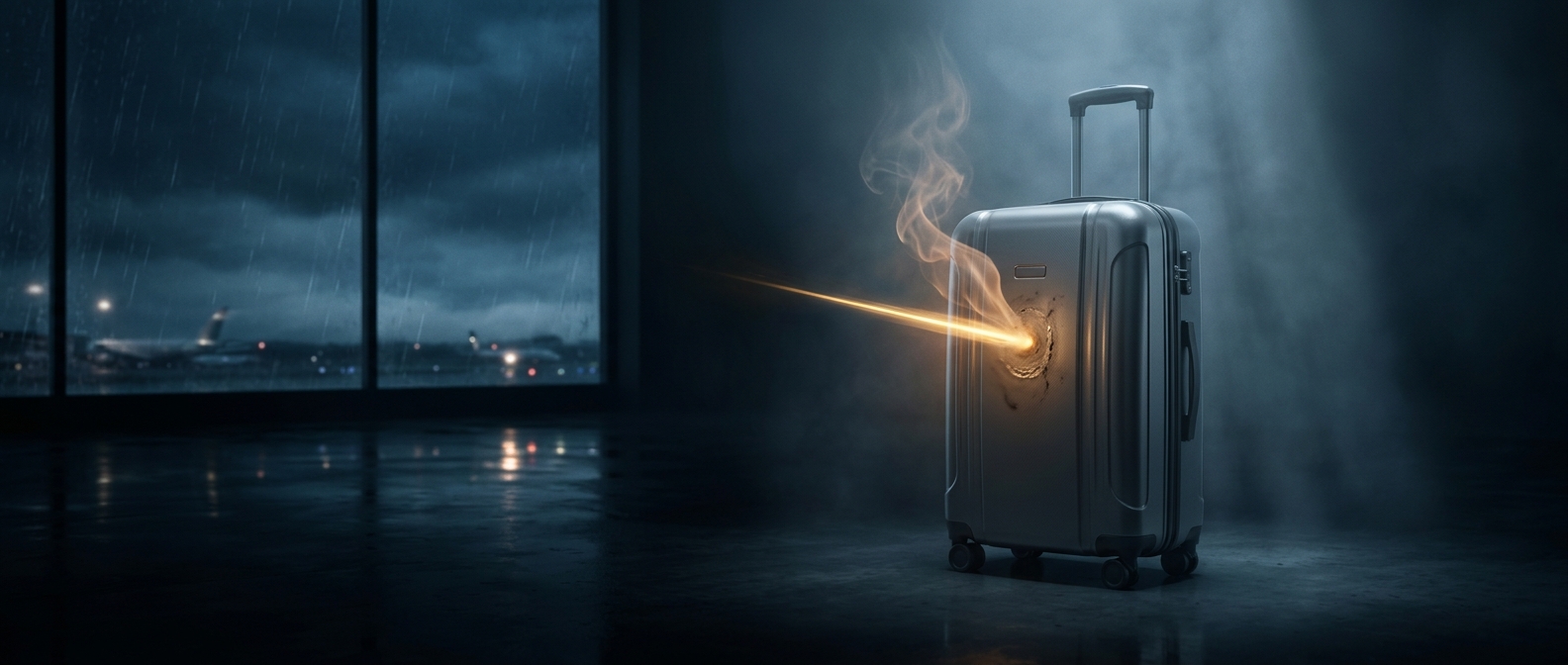
A hard-shell suitcase may be made from polycarbonate, a tough plastic also used in many riot shields. The connection is the material’s ability to take an impact without shattering as readily as a more brittle plastic. Under force, polycarbonate can flex and then spring back, helping a shell survive knocks that might crack a rigid, less impact-resistant material.
Built for the baggage system, not just the baggage handler
After check-in, a bag can travel along conveyor belts, pass through diverters that send it toward different routes, and meet other bags or equipment along the way. That rough, repeated handling puts pressure on corners and panels. A shell that can flex slightly is less likely to split when it is struck or squeezed during sorting.
The same basic material does not mean a suitcase and a riot shield are interchangeable. Their thickness, shape, construction, and intended use differ; the shared trait is impact resistance. Luggage makers also have to balance toughness against weight and cost, since a durable case still needs to be practical to lift and carry.
So the next time a hard-shell bag emerges from the airport system with a scuff rather than a crack, its material may have done exactly what it was chosen to do: absorb rough treatment while keeping the case intact.