Why a Rigid Case Can Be Hard to Close
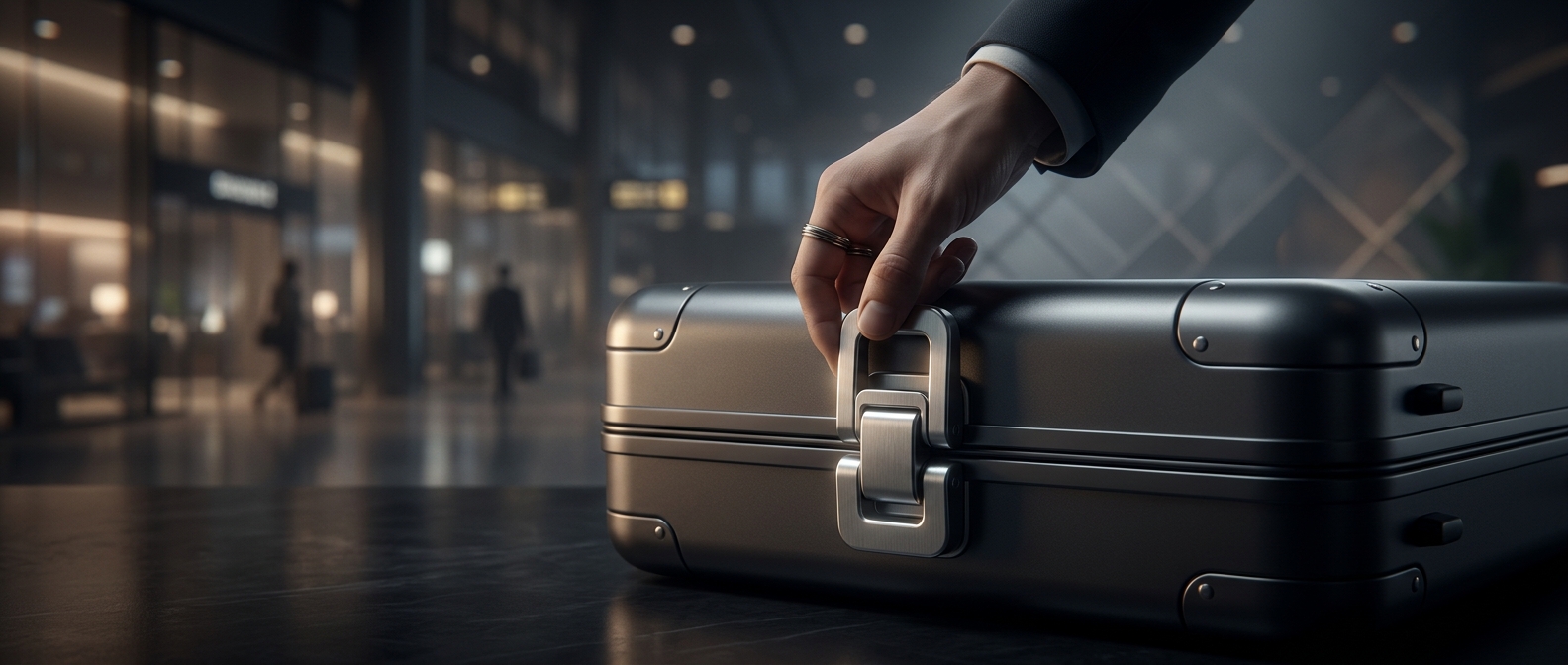
A zipper closes a suitcase gradually: its slider draws the two sides together a little at a time. A zipperless hard case usually closes along a rigid frame, with metal clasps that hook one side to the other. Those clasps hold the case shut securely, but they do not pull the whole perimeter together in the same progressive way.
That difference matters when the contents press outward. Clothes, shoes, or an awkwardly shaped item can push the shells apart or prevent their edges from lining up. The clasps then have to catch under tension, so a case that is only slightly overfilled can be surprisingly difficult to latch.
The Tradeoff at the Closing Edge
The frame-and-clasp design avoids relying on zipper teeth and a slider, which can be stressed when a bag is bulging. In exchange, closing the case depends on getting the two rigid halves into position at once. A zipper can help guide them together as it travels; separate clasps must engage where they meet.
That makes packing shape important, not just packing volume. A soft layer spread evenly across the case is less likely to obstruct the frame than a bulky object pressing against one edge. If the clasps will not meet easily, forcing them can put extra strain on the hardware; rearranging the contents may be the simpler fix. The memorable lesson is that a sturdy closure can be less forgiving when the suitcase is packed right to its limit.