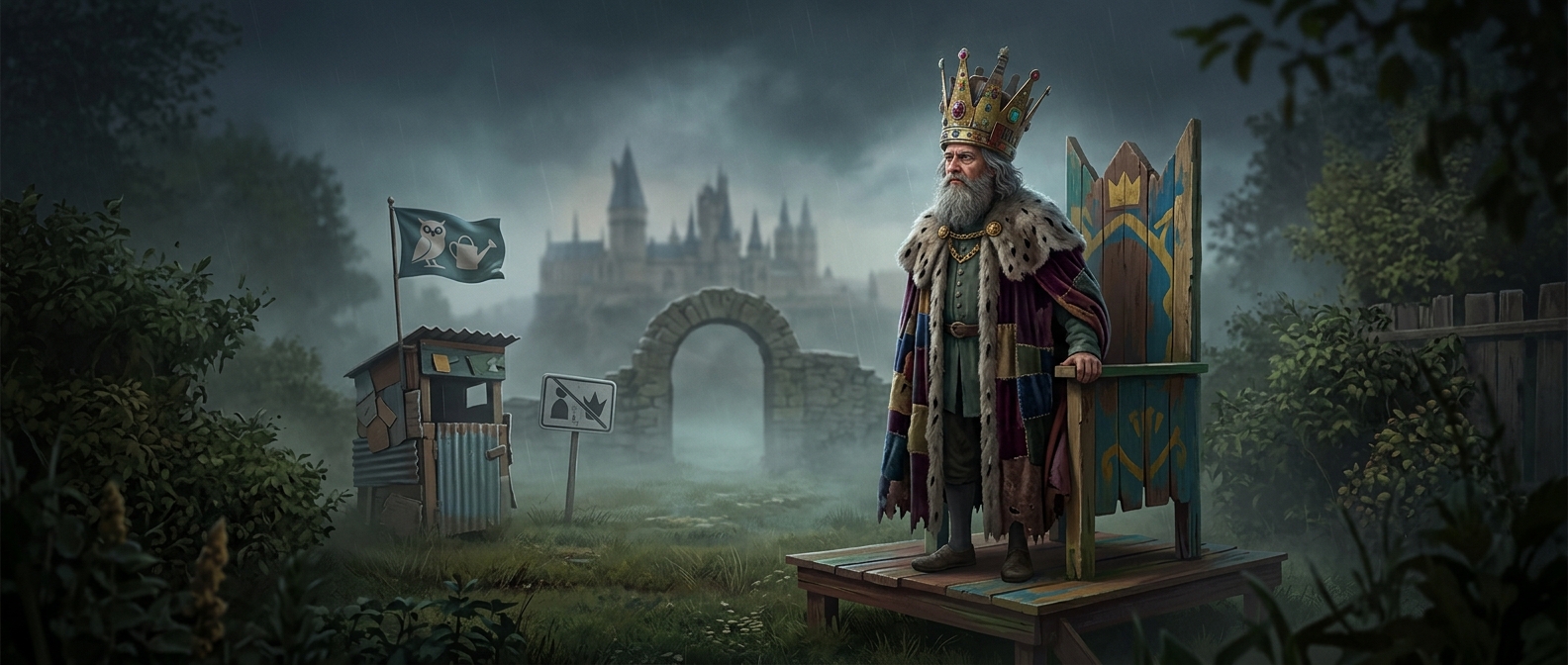
A border drawn around an ordinary property
A self-declared rural “state” can begin with a small act of make-believe made tangible: a name for the territory, a flag, perhaps a title for its owner. The claim gives a garden, farm, or country house a second identity—not just a place to visit, but a place with its own invented civic life.
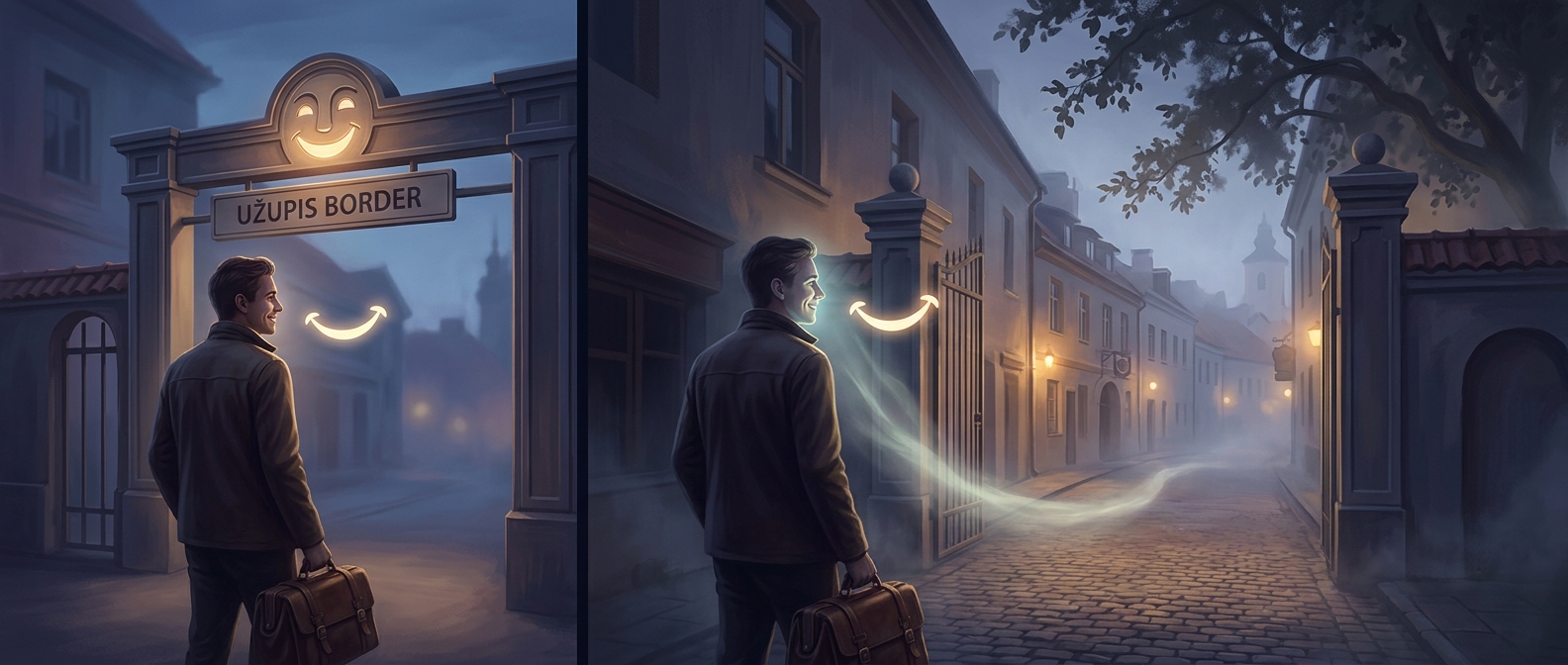
That performance is part of the attraction. A visitor might receive a novelty passport or a stamp, turning a walk around private land into a playful border crossing. The objects work as souvenirs because they record participation in the story, much like a ticket from an unusual attraction.
The keepsakes are not travel documents
In international law, declaring a property independent does not by itself make it a sovereign country. A passport issued by a private estate is a collectible, not a document that grants entry to other nations or replaces a government-issued passport. The distinction lets the project offer the flavor of a state—symbols, ceremonies, and paperwork—without those props carrying official authority.
For visitors, the appeal is often precisely that scale: a grand idea compressed into a human-sized outing. A stamp can make the joke feel official for a moment, while the surrounding landscape keeps the experience grounded in a real place. The souvenir is less a claim to cross the world’s borders than proof that, for an afternoon, someone crossed an imaginary one.