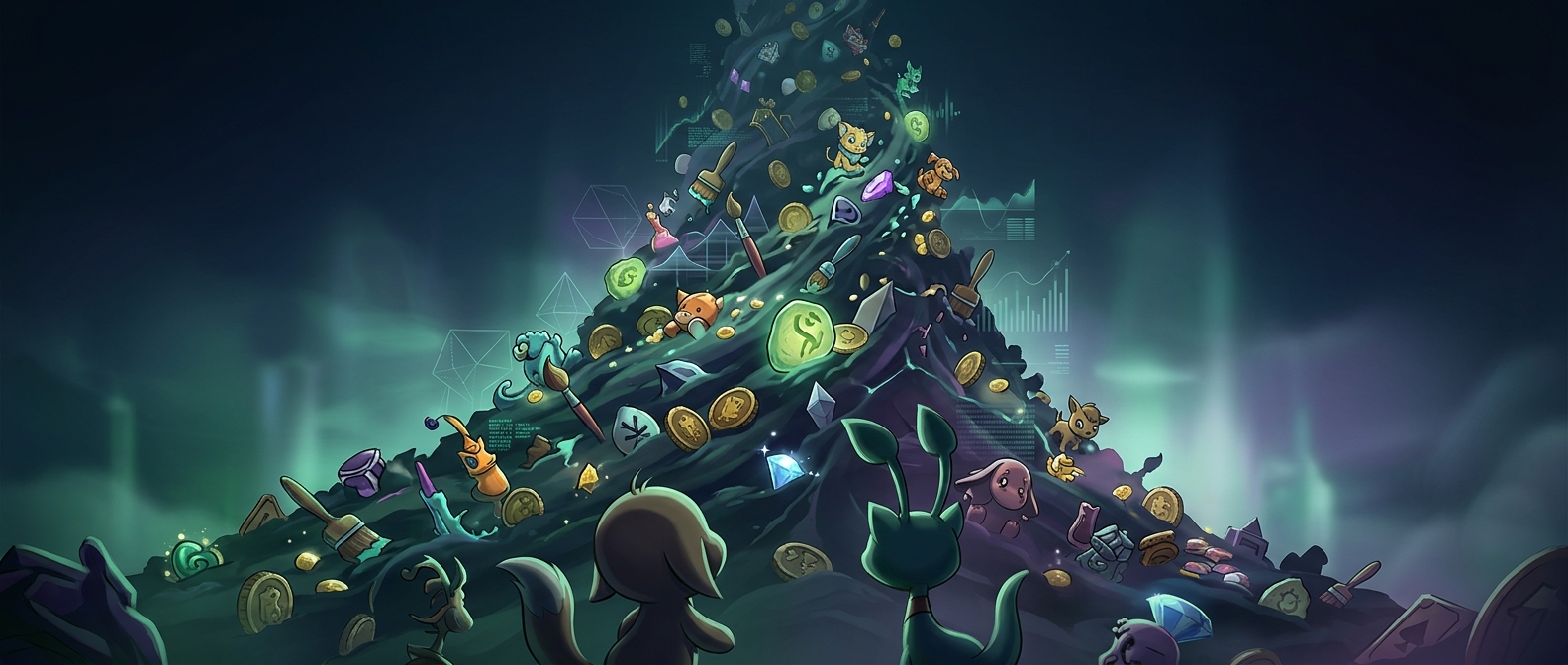
When game money grows faster than the menu
A virtual economy can inflate for the same basic reason a real one can: more money is chasing the same limited set of goods. If a game quietly credits currency to players’ accounts, the number of coins in circulation rises even when players have not done anything that feels like earning them. The extra balance may be invisible at first, but it changes what players can afford—and what a seller or pricing system can charge.
An omelette is a useful small-scale example. If its price stays fixed while players’ balances swell, it becomes easier to buy, and the game’s currency loses purchasing power. If the price rises to match those larger balances, the dish can become expensive in coin terms even though the omelette itself has not changed.
Why a tiny price can matter
Game designers balance currency sources, which add money to the economy, against currency sinks, which remove it when players spend. When a source keeps paying out but the sinks do not remove enough, accumulated balances can push prices upward. A seemingly minor automatic credit can matter if it reaches many accounts or repeats over time.
That creates a tradeoff: raising prices can help restore scarcity, but it also makes ordinary purchases feel less rewarding to players whose balances did not grow as quickly. A virtual omelette therefore becomes more than a menu item. Its price is a visible sign that the game’s money supply has changed—and that the economy’s rules, not the recipe, are doing the work.