Why a stream is not a fixed paycheck
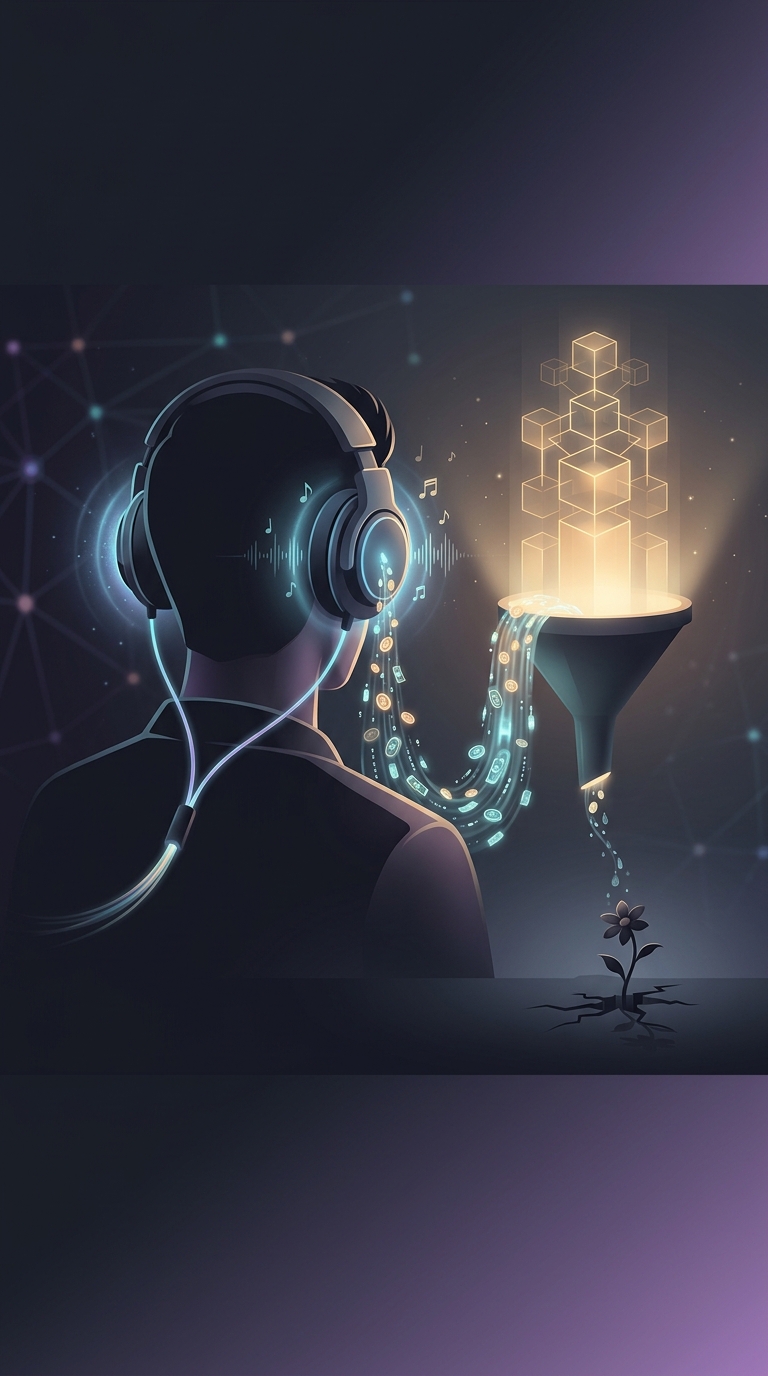
A listener may imagine that each play sends a small, predictable payment to the artist. On many major services, the system works differently: subscription and advertising revenue is collected into pools, and a share is allocated according to the proportion of total streams each track receives. A song’s earnings therefore depend not just on its own plays, but on the platform’s revenue and listening across the service.
That makes streaming a scale game. A track with a modest but devoted audience can be heard thousands of times and still claim only a small slice of a pool dominated by the most-played music. Each additional play helps, but it does not guarantee a set amount in the artist’s pocket.
The money passes through several hands
The platform generally pays rights holders, not necessarily the performer directly. The recording’s rights may belong to a label or be administered by a distributor; the money then flows according to contracts and ownership shares. Songwriters and publishers have separate rights in the composition, so recording revenue and songwriting revenue are not the same payment.
An independent artist who owns the recording can keep a larger share than an artist bound by a label deal, but independence also means covering costs such as recording, promotion, and distribution. A distributor may charge a fee or take a share. If multiple collaborators own portions of the music, the artist’s portion shrinks again.
Why the structure favors scale
The central pressure is the gap between streams counted and income retained. A small act must build a large volume of listening to generate meaningful revenue, while a global hit can draw on enormous audiences. And because payments vary with platform revenue, listener location, subscription type, rights ownership, and contract terms, there is no universal per-stream rate that tells an artist what a play is worth.
For an indie musician, streaming can provide reach and recurring income—but it is rarely a simple wage for each listener. The practical consequence is that a loyal niche audience may matter greatly for building a career while still producing too little streaming revenue, by itself, to cover the cost of making the next record.