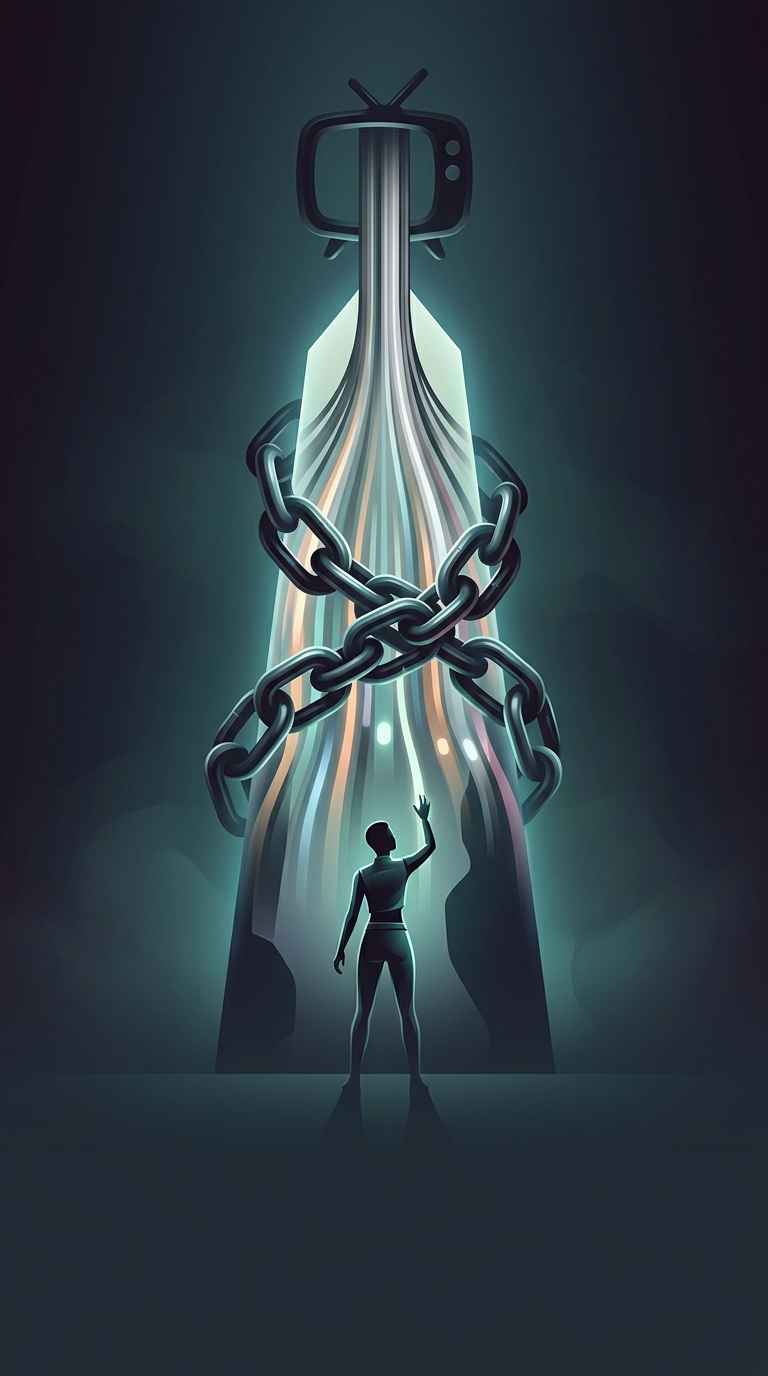
Streaming’s Unbundled Beginning Led Back to the Bundle
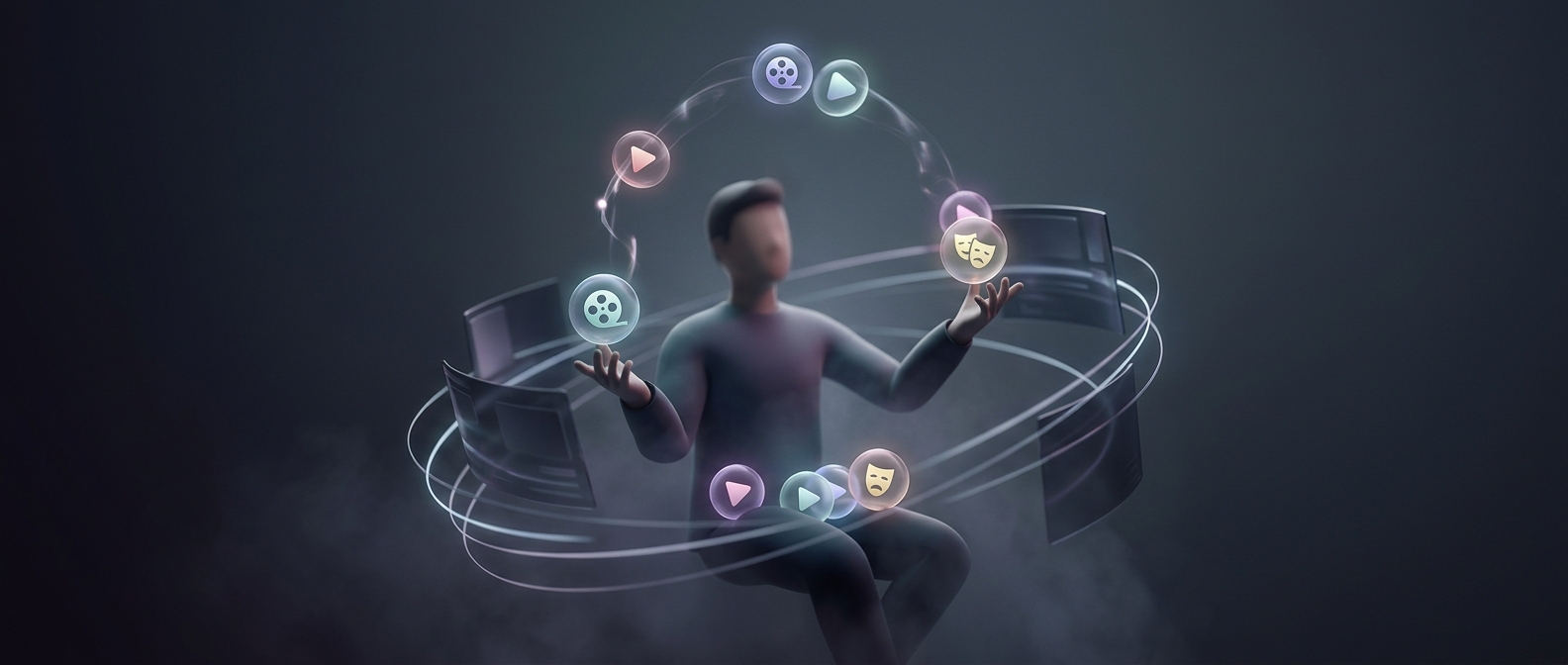
Early streaming offered a simple alternative to cable: pay one service for the shows you wanted, without buying a large package of channels you rarely watched. But as more companies launched their own platforms and kept popular programs exclusive, viewers had to subscribe to several services to follow different shows. The cable bill disappeared; a collection of separate bills took its place.
Why the Same Pattern Returned
The economics push both systems toward aggregation. A service needs dependable subscription income to pay for programming and technology. It can attract new customers with distinctive shows, but customers may cancel once they have watched what they came for. Bundling helps address that churn—the loss of subscribers who leave—by combining services or offering a mix of programming that is harder to replace with a single rival.
That can make a bundle convenient and sometimes cheaper than buying its parts separately. It also restores a familiar tradeoff: viewers get more in one package, but have less control over which pieces they pay for. Advertising-supported tiers and price increases add other ways for platforms to earn revenue, much as television businesses have long mixed subscriptions and ads.
The Loop Is Not a Perfect Replay
Streaming still differs from traditional cable. Viewers can watch on demand, and services can be purchased without a cable-company contract or channel lineup. But the central cycle has returned: unbundling gives consumers choice, competition divides content among sellers, and the cost and effort of choosing can make a new bundle attractive.
The irony is practical: a viewer trying to avoid paying for unwanted channels may end up paying for several services—and then welcome a package that gathers them together.