Why shows move behind new paywalls
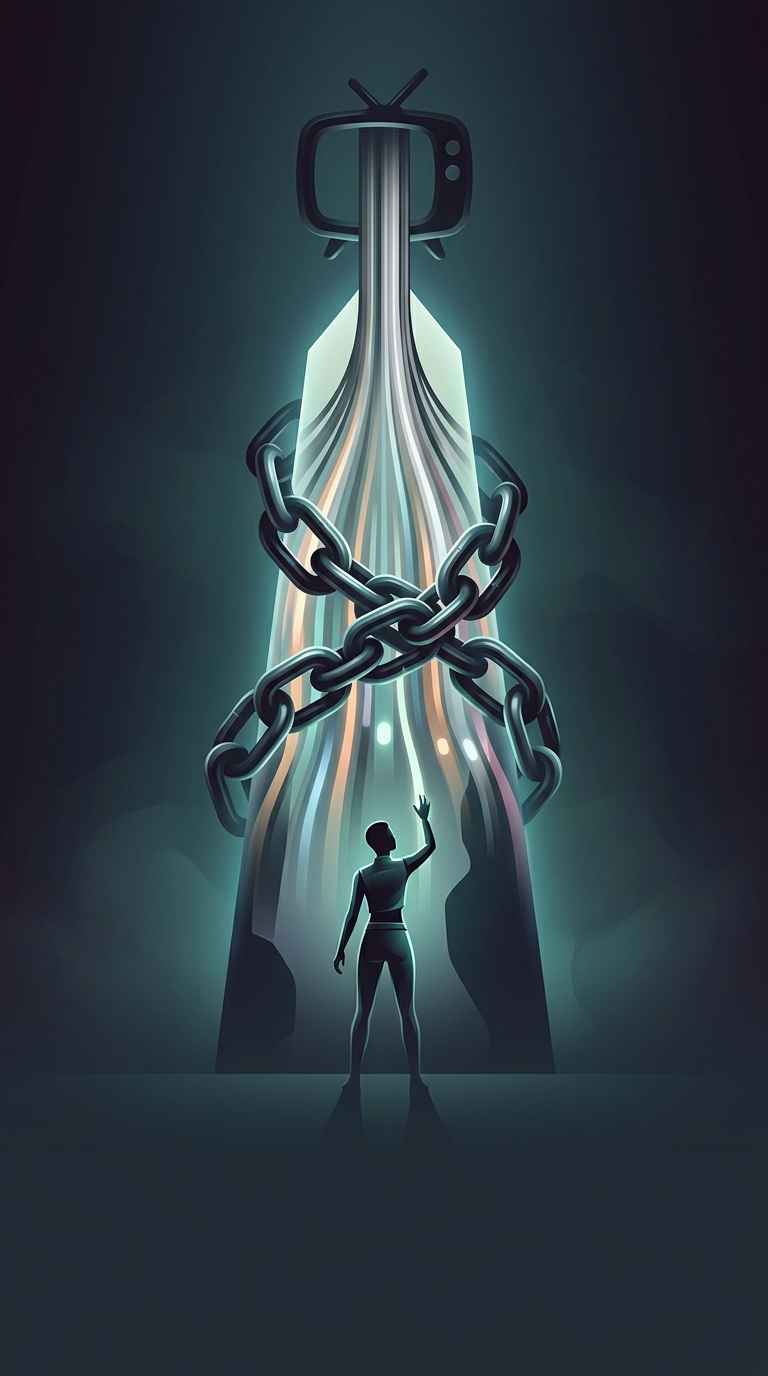
A streaming service may carry a show because its owner has licensed it the right to stream there. That deal can expire, or the owner can decide not to renew it. If the same company runs its own streaming platform, it can instead keep the show there as an exclusive—content viewers can watch only on that service.
The shift is a business tradeoff. Licensing brings in money directly, while keeping a popular series exclusive may give the owner a reason for viewers to subscribe to its platform. The owner gives up some licensing revenue in hopes that the show will attract or retain paying customers.
The cost of a scattered catalog
For viewers, the result is not simply a higher price for one service. Favorites may be divided among platforms, so watching several shows can mean paying several monthly bills. Each subscription may look manageable on its own; together, they can cost more and take more effort to track.
That fragmentation also changes how people subscribe. Someone might join a service for one series, watch it, then cancel or switch to another platform. Services compete not only for attention but for a place in a viewer’s recurring budget. When a show changes homes, the practical question becomes whether it is worth adding—or keeping—another subscription.