Why a Small Run of Cassettes Can Make Sense
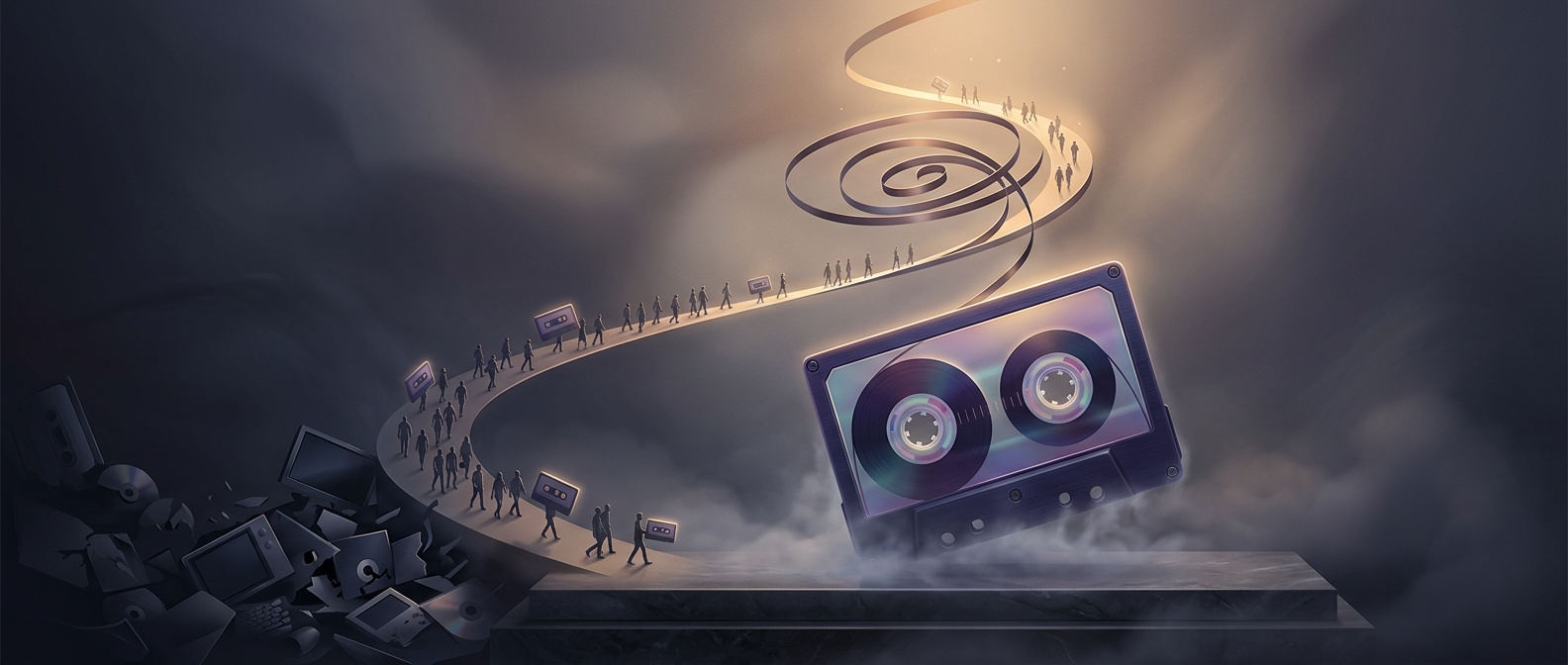
For an indie band, a cassette is more than a way to deliver the music: it is a compact piece of merchandise that can turn a brief encounter at a show into a sale. A listener who already streams the songs may still want an object tied to the band, especially one with artwork, a track list, and a place on a shelf. Nostalgia helps, but so does the cassette’s role as a keepsake.
The format also suits bands that want to offer a physical release without committing to a large stock of records. A short cassette run can be made in batches, giving a band a way to test whether fans will buy a physical edition and to sell copies directly at gigs. Direct sales let the band keep the customer relationship—and avoid relying solely on streaming income, where each play brings in only a small amount.
The Imperfections Are Part of the Appeal
Cassettes ask for more patience than a playlist: the listener handles the tape, presses play, and hears the album in its chosen sequence. Hiss and other flaws can be part of that experience rather than a reason to choose the format for sound quality. For some buyers, the point is the combination of music, object, and ritual.
That appeal has limits. A cassette is less convenient than streaming, and it requires a working player. But at a merch table, convenience is not the only measure of value. A tape can be an affordable, distinctive souvenir—and a modest but direct way for a fan to support the band.