What Makes an Old Snack Valuable?
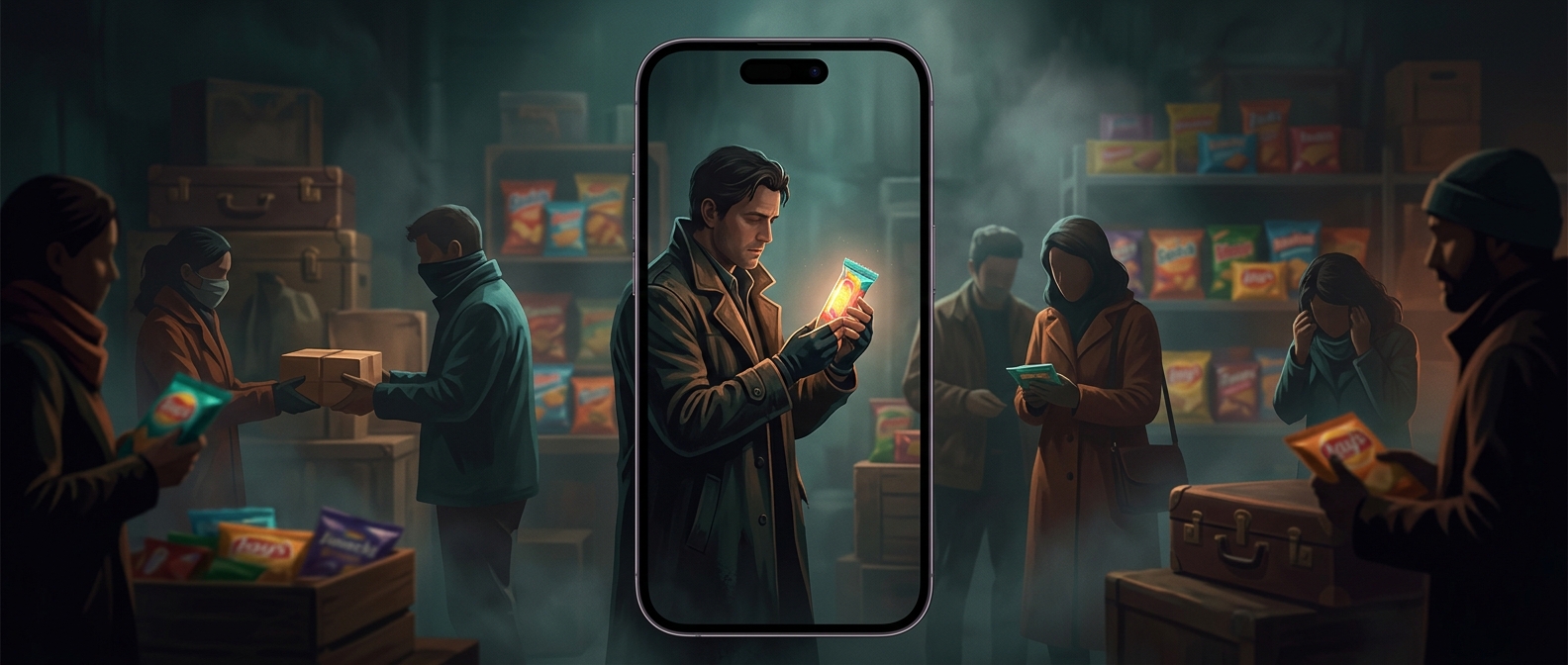
A discontinued snack is not automatically worth a fortune. Collectors pay high prices when several things coincide: the item is hard to find, remains in unusually good condition, and carries a memory or cultural association that buyers recognize. A sealed package can be especially compelling because it preserves the product as it appeared on a shelf—its design, branding, and promise of a familiar taste.
Scarcity Meets Nostalgia
Once a product disappears, no new examples enter circulation. Most of the original packages were opened, eaten, or thrown away, so intact ones become scarce over time. Packaging matters as much as the food: a vintage cereal box or soda label can capture a particular era of advertising and everyday life.
Nostalgia gives that scarcity emotional weight. A buyer may be trying to reconnect with a childhood treat, while another may value the package as a collectible piece of popular culture. The price reflects what someone is willing to pay for the memory and rarity—not the snack’s usefulness as food.
A Market With Practical Limits
Condition can make a major difference. Sunlight, moisture, dents, and torn seals can reduce an item’s appeal, while an unopened package may look more complete and display-ready. But sealed does not mean safe to eat: old food can spoil, and packaging can deteriorate. Many buyers are interested in ownership or display, not a taste test.
As with other collectibles, a striking asking price does not prove that an item routinely sells for that amount. Value depends on the particular product, its condition, and whether interested buyers compete for it. The odd result is that a box once bought for breakfast can become more valuable precisely because nobody ate it.