How the Magi Became “Magic”
The word magic preserves an ancient cultural connection: Greek speakers called the practices associated with Persian magi magikē, or “the art of the magi.” Latin adopted the term as magia, and it eventually entered English as magic. The word’s path reflects how outsiders interpreted a priestly group whose religious expertise could seem mysterious.
Ritual Knowledge, Seen from Abroad
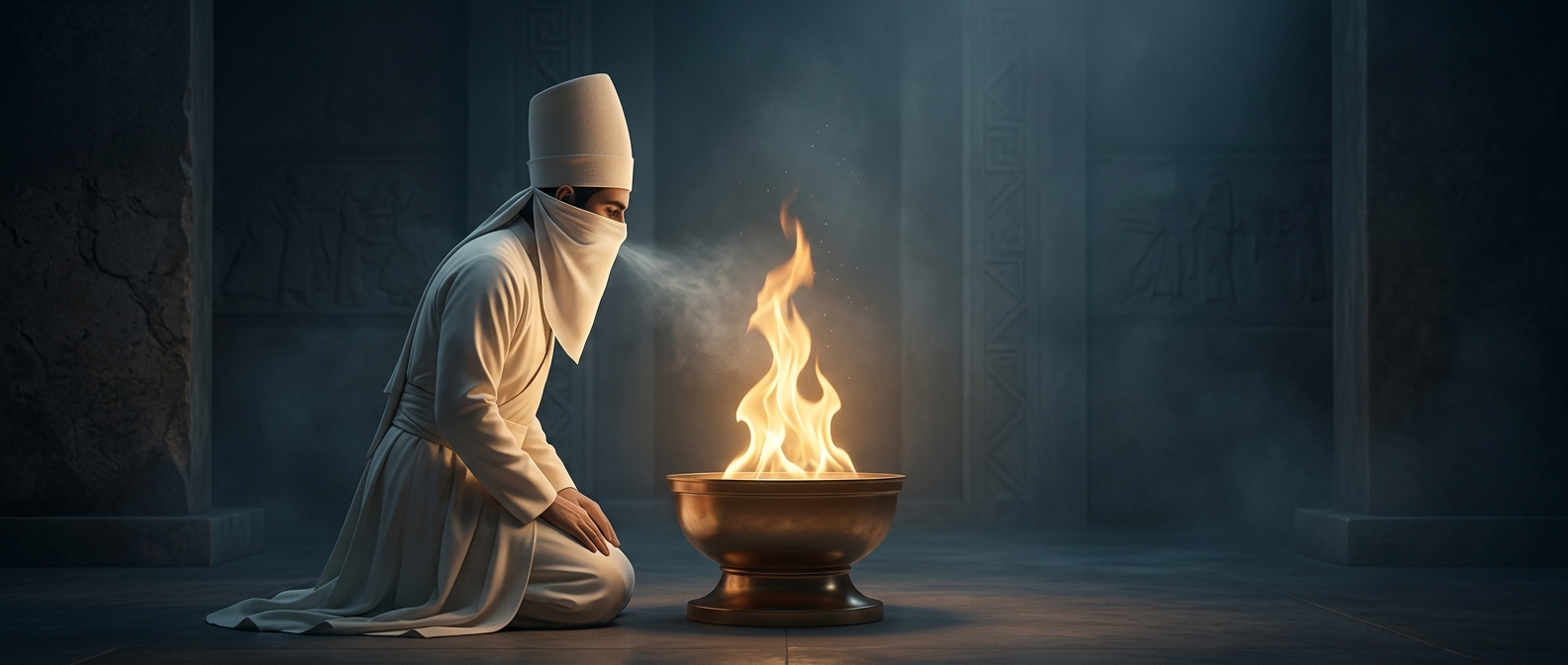
Magi belonged to the religious life of ancient Persia, where they performed ceremonies and maintained sacred fires. Their duties also placed them near political power: religious rites and state ceremonies helped express the authority and order of the kingdom. Their standing depended on trained knowledge—how to conduct rituals, interpret religious traditions, and carry out formal responsibilities—not simply on the spectacle of ceremony.
Greek accounts encountered these specialists through a cultural boundary. A ritual that had a defined place in Persian religion could look, to an outsider, like secret knowledge or supernatural technique. The label magikē turned the identity of its practitioners into a name for their perceived art.
From a People to a Practice
Over time, the word widened beyond Persian priests. “Magic” came to suggest hidden powers and extraordinary effects, while the original link to a particular religious class faded. That shift was not a simple translation: it carried an outsider’s impression into Greek, then Latin, and finally everyday English.
The old word therefore holds two different histories at once: the practical authority of Persian ritual specialists, and the later fascination with the mysterious powers others imagined they possessed.