A cosmic struggle with a human stake
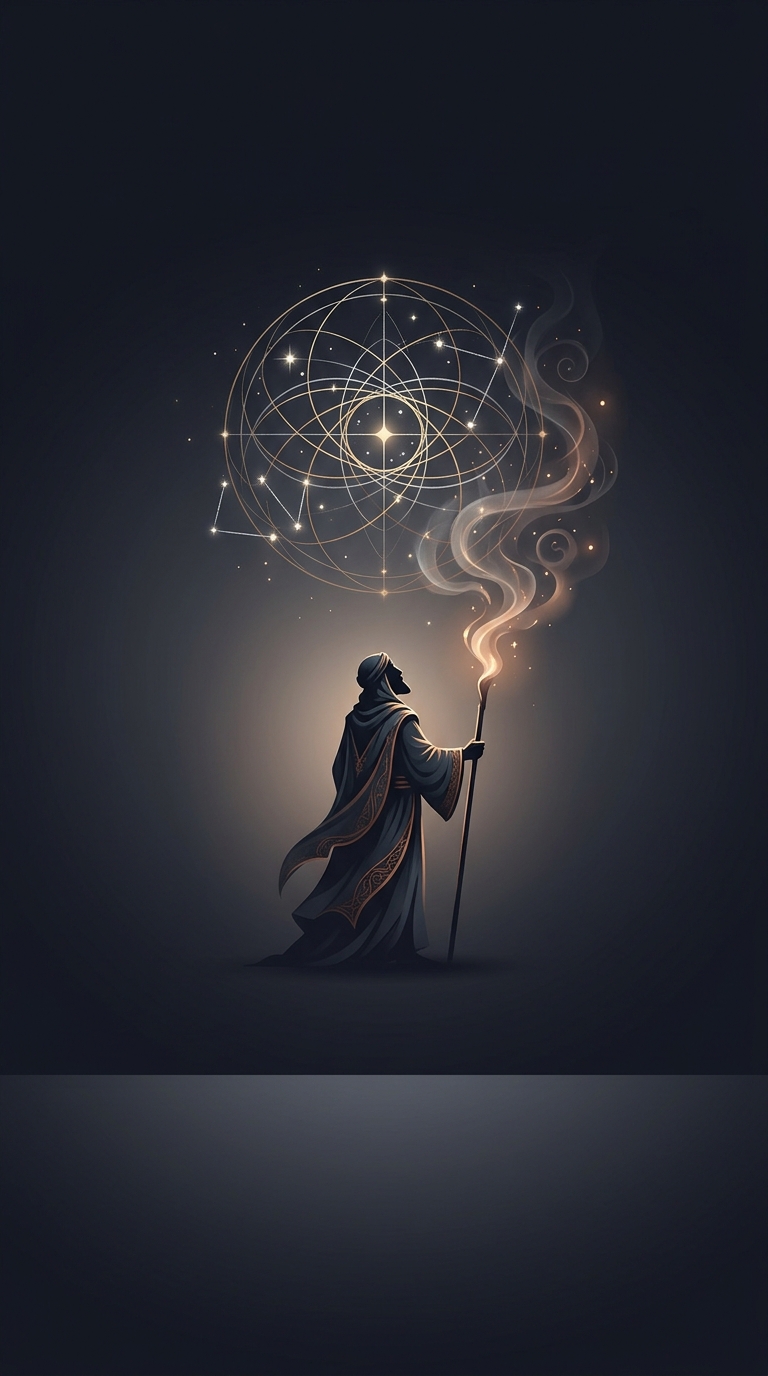
In Zoroastrian teaching, the conflict between Ahura Mazda and Angra Mainyu is not merely a contest among distant supernatural powers. It gives ordinary choices cosmic significance: people can support truth, order, and life, or contribute to deceit and destruction. The universe is imagined as morally charged, so how a person treats others and the world matters beyond the immediate moment.
This framework is often called ethical dualism: reality is understood through a fundamental opposition between good and evil. It does not mean that every Zoroastrian tradition describes the two forces in precisely the same way. Ahura Mazda is the wise, good lord at the center of worship; Angra Mainyu represents the destructive principle opposing that good.
Belief becomes daily practice
The struggle is made practical through a familiar ethical emphasis: good thoughts, good words, and good deeds. Thought matters because intention shapes action; speech can uphold truth or spread falsehood; deeds either protect what is good or damage it. A person is not simply a spectator waiting for the conflict to end but a participant whose conduct helps determine its course.
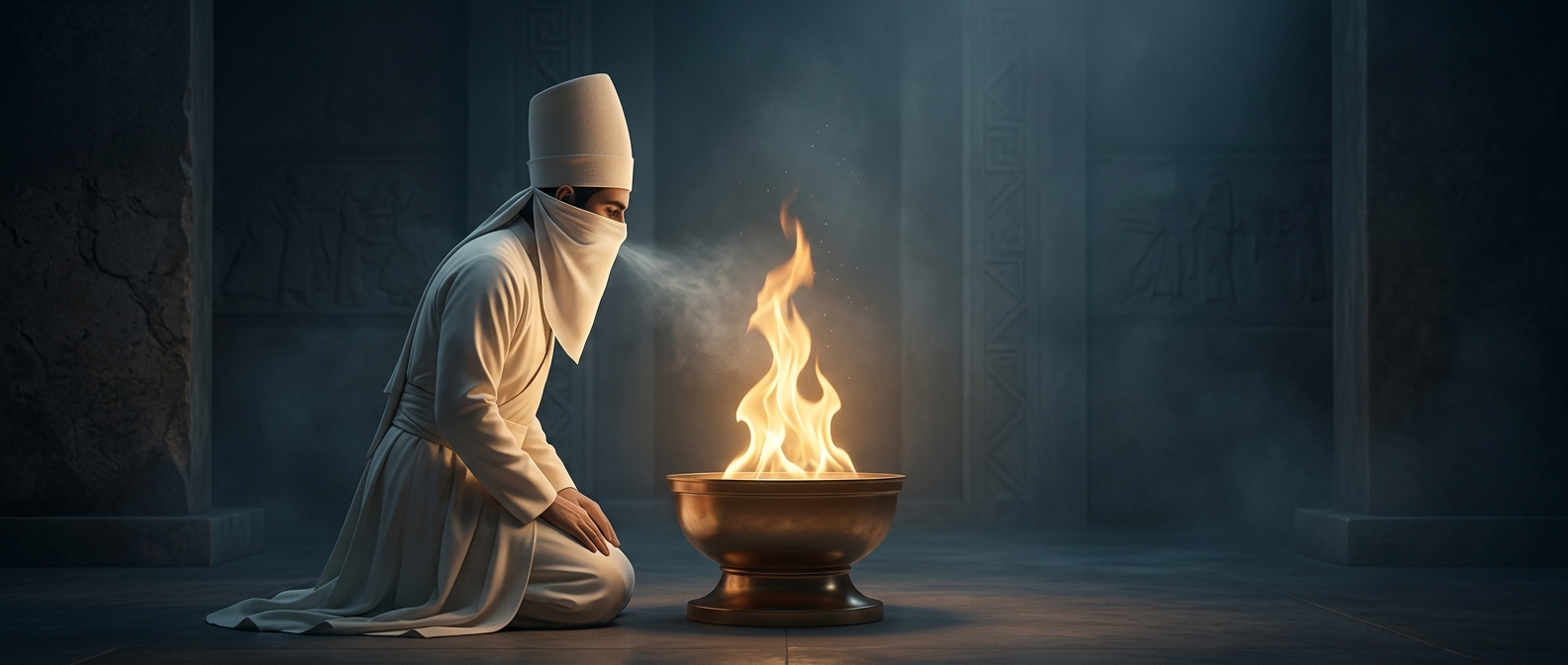
Fire, prominent in Zoroastrian worship, expresses this commitment to purity and truth. It is treated as a sacred symbol and focus of devotion—not as a god. In fire temples, a tended flame makes an abstract moral ideal visible: maintaining it requires care, just as sustaining a truthful and orderly life requires deliberate effort.
Why the idea endured
Zoroastrianism developed over a long history, and its teachings have been interpreted and elaborated across different communities. Its enduring appeal lies partly in the connection it draws between cosmic stakes and everyday responsibility. The grand conflict between good and evil is not left to the heavens: it is carried into each choice to speak truthfully, act justly, or preserve what is living.