How silver became a werewolf’s weakness
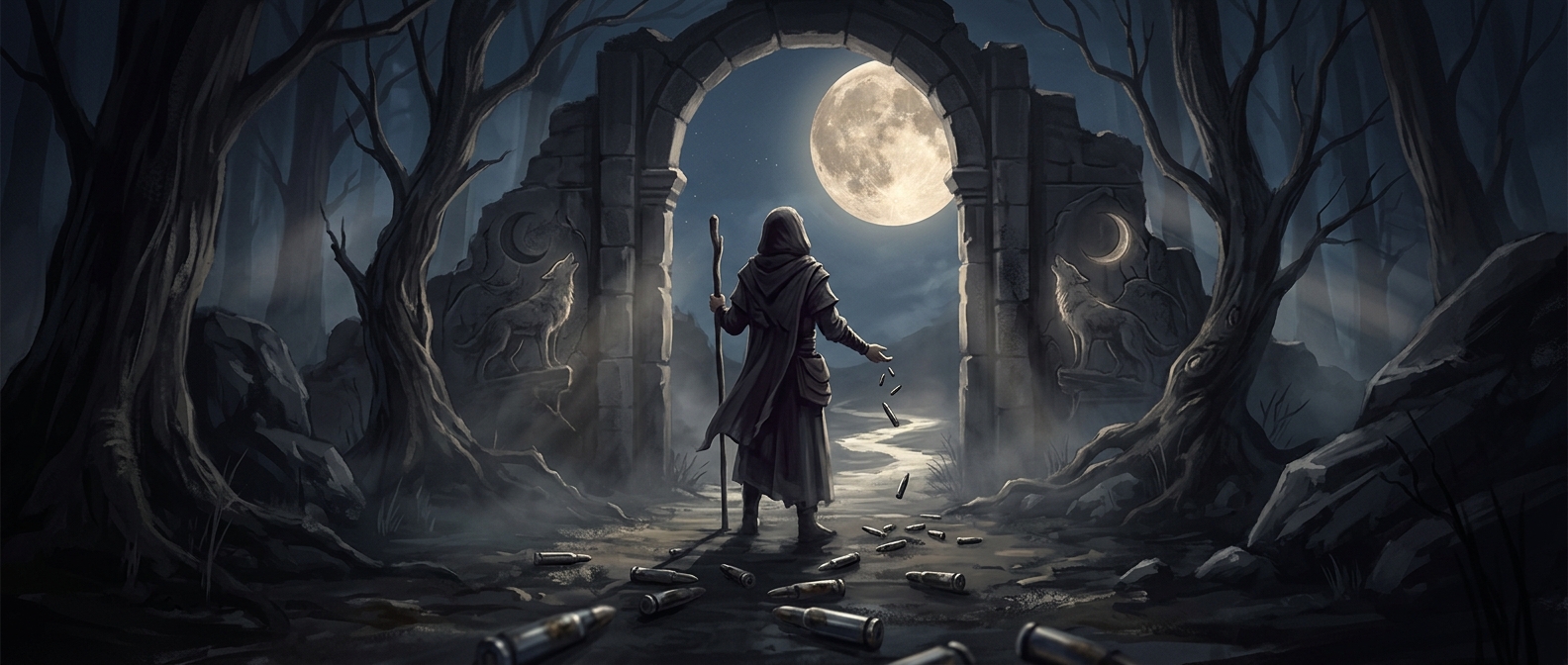
The silver bullet is familiar enough to feel ancient, but werewolf stories did not begin with one standard rule for killing the creature. Older European accounts vary widely: some describe people accused of changing shape, others focus on a cursed transformation, and their endings do not consistently hinge on silver. The idea that every werewolf has one special, silver-only vulnerability is largely a product of modern popular storytelling.
A screenwriter’s rule becomes folklore
A major turning point came with the 1941 film The Wolf Man. Its story gives silver a decisive role: the hero is told that a werewolf can be killed with silver, and a silver-headed cane becomes part of the climax. Once a rule like that is built into a dramatic scene, it is easy for later films and stories to reuse it. Silver offers a clear, memorable solution to a monster that might otherwise seem impossible to stop.
The convention then spread beyond werewolf fiction. Books, films, television, and games repeated it until it felt like inherited folklore rather than a relatively recent storytelling choice. That does not mean silver had no symbolic importance in older traditions; precious metals could carry associations with purity or protection. But the specific “silver bullet kills werewolves” rule was not a universal feature of classic werewolf tales.
That history leaves storytellers with a useful option: they can invoke the familiar silver bullet for instant recognition—or ignore it and make their werewolf’s rules their own.