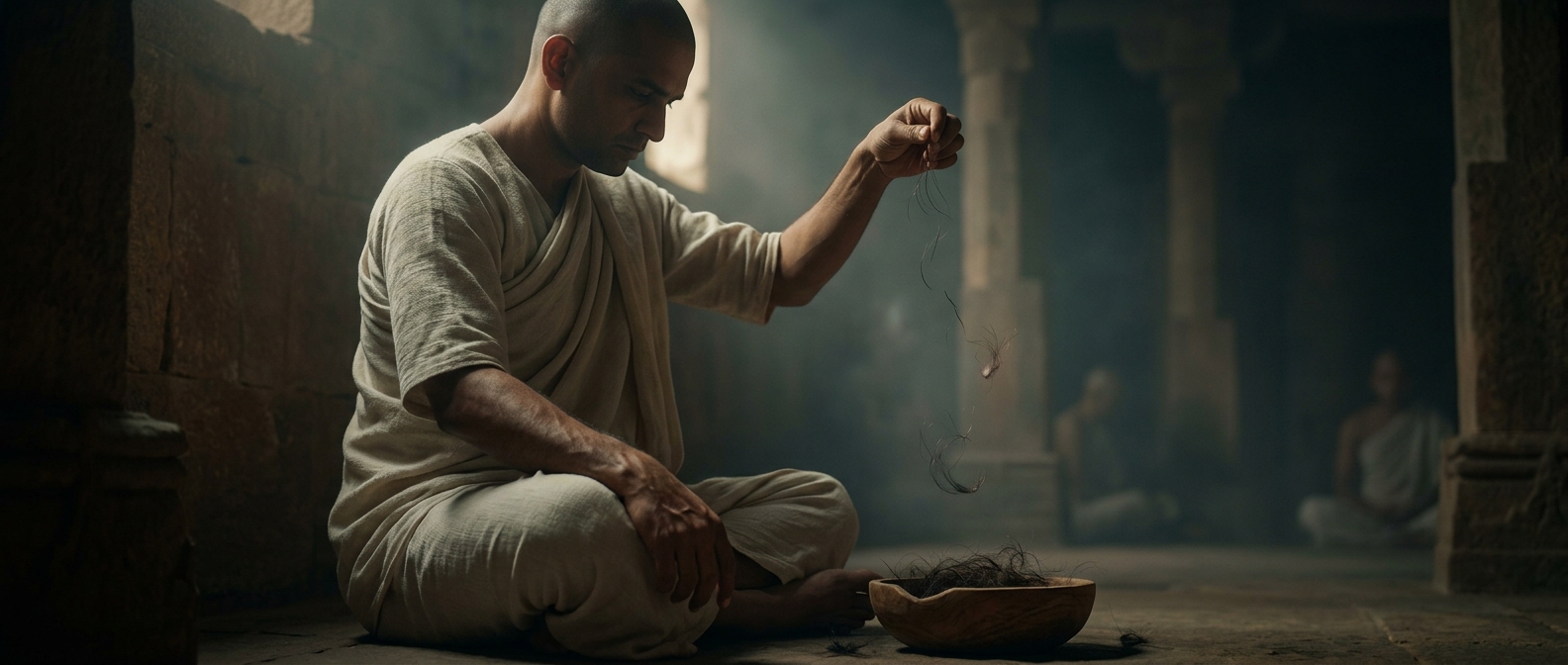
A retreat built around sustained practice
Tenzin Palmo’s cave retreat was not simply a test of endurance. In Buddhist practice, a retreat is a period set aside for intensive meditation and spiritual discipline, away from ordinary social demands. Living in a remote Himalayan cave made that separation literal: food, warmth, and the daily rhythm of practice all had to be managed in a harsh environment.
The small box she slept in was part of the arrangement of her life there, while turnips offered a practical answer to a short growing season. Those details show how spiritual commitment depended on ordinary work as well as meditation. A retreat could not be sustained by intention alone; it required a way to sleep, eat, and endure the cold.
The point was also about women’s capacity
Palmo understood her practice as a demonstration that women could attain the highest levels of spiritual realization. That claim matters because religious traditions can preserve assumptions about who is suited to advanced practice. Her retreat made the question concrete: could a woman undertake the same demanding discipline and pursue the same spiritual goal?
Twelve years in isolation could not, by itself, settle every debate about women’s status. But it gave her argument a lived form. The cave was both a place of practice and a sustained answer to the idea that serious spiritual achievement belonged only to men.