The small parcel that can control a bridge project
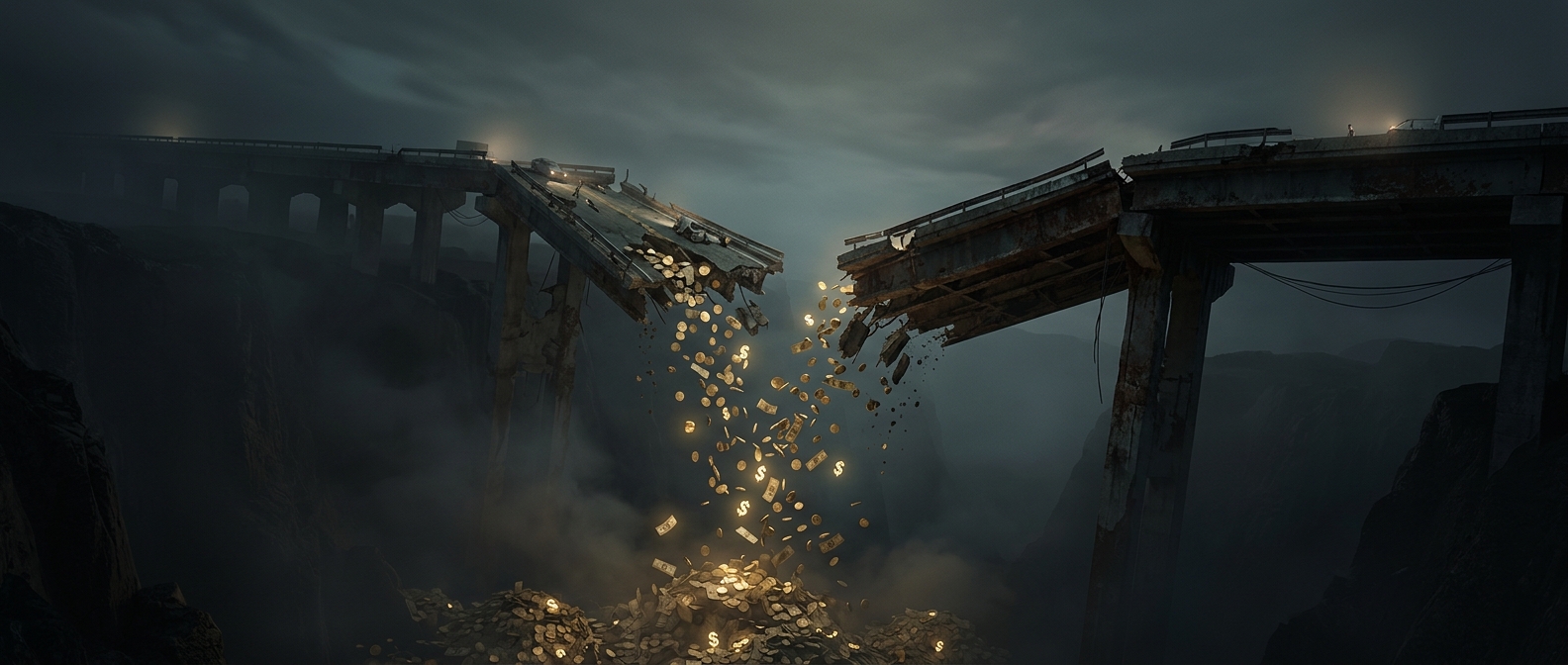
A bridge needs more than a span over water. Its approaches must connect to roads, and construction may require space for supports, ramps, drainage, or temporary access. If one privately owned parcel occupies a necessary spot, the rest of the route can be assembled and designed while that final connection remains unresolved.
That creates a holdout problem: once a project’s route is fixed, the owner may know that switching to another alignment would cost time and money. The parcel’s value to the project can therefore be much greater than its value in ordinary use. The owner can refuse an offer and negotiate for more, while the public agency faces growing costs from delay and redesign.
Why the owner cannot always name any price
Negotiation is not the only option. In the United States, public agencies may be able to use eminent domain—the legal power to acquire private property for a public use, with compensation determined through a legal process. Whether and how that power applies depends on the project and governing law; it does not make acquisition immediate or frictionless.
A contested taking can involve valuation disputes, procedural requirements, and further delay. Agencies may also revise a route if doing so is feasible, but moving a bridge approach can affect engineering, environmental review, and other properties. Those alternatives give both sides leverage: the owner can press the cost of changing course, while the agency can weigh the cost of pursuing another path.
The striking part is that a bridge’s bottleneck may be neither the river nor the engineering. It can be the narrow strip of land needed to make the finished structure connect to solid ground.