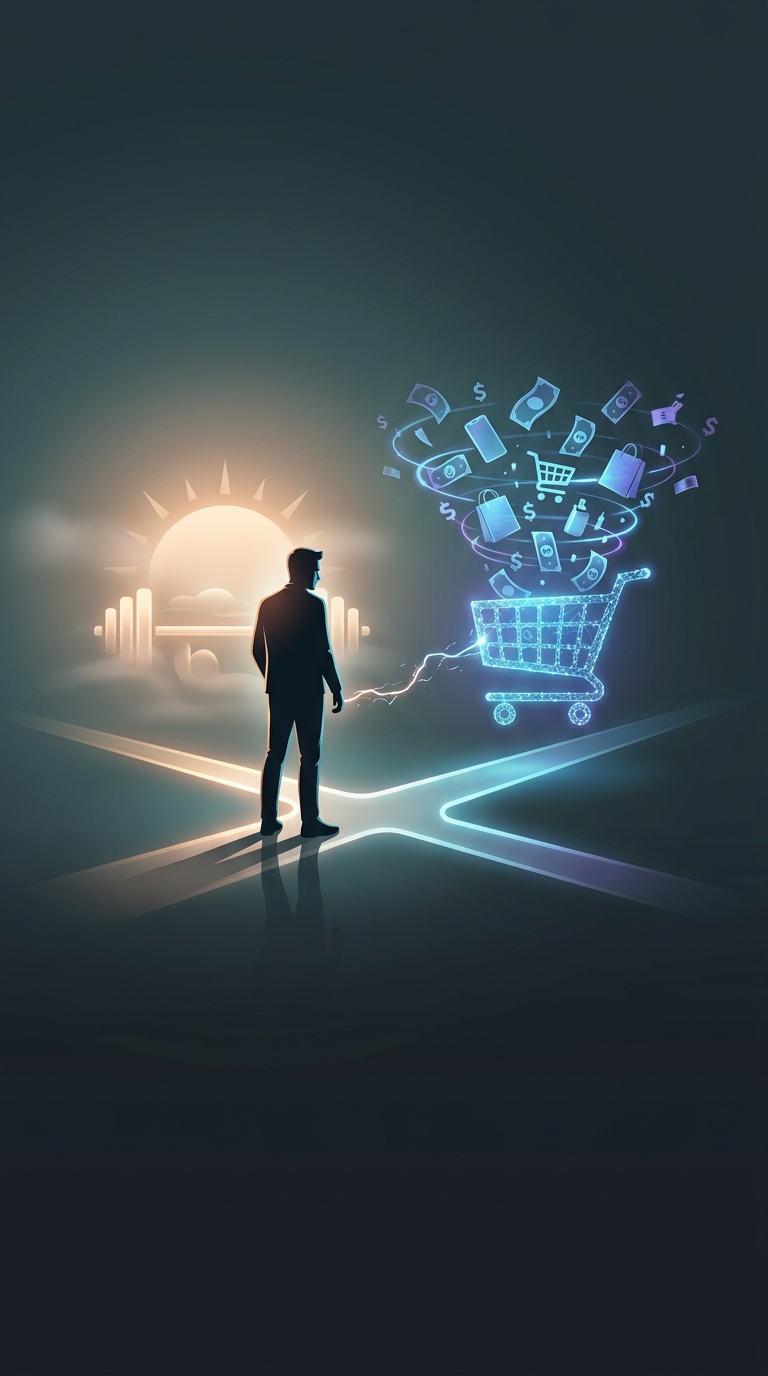
The “I earned it” effect
A morning workout can make an online purchase feel less like a lapse and more like a reward. Psychologists call this moral licensing: after doing something that feels disciplined or virtuous, people may give themselves extra permission to indulge elsewhere. The logic is often quiet—“I took care of myself today, so this treat is fine”—rather than a deliberate decision to spend more.
That doesn’t mean exercise automatically leads to shopping. The effect depends on how someone interprets the workout: as one healthy choice among many, or as a credit they can cash in later.
Why the temptation may arrive at night
By evening, people have also made decisions all day and may be tired, stressed, or simply less willing to pause and weigh consequences. Shopping apps make that pause easy to skip: recommendations, saved payment details, and one-tap checkout shrink the gap between wanting something and buying it.
Put together, the workout can supply a feeling of permission, while fatigue and convenient checkout make acting on that permission easier. The gym is not draining a fixed store of willpower; rather, the way people frame their effort can shape later choices, and tiredness can make tempting choices harder to resist.
Make the reward explicit
A useful safeguard is to decide in advance what counts as a workout reward—and whether it involves spending at all. Waiting until morning to check out, or removing saved payment details, adds a small pause at the moment when an earned-it feeling and an easy purchase can combine.