How a white powder turned peppermint sweets into poison
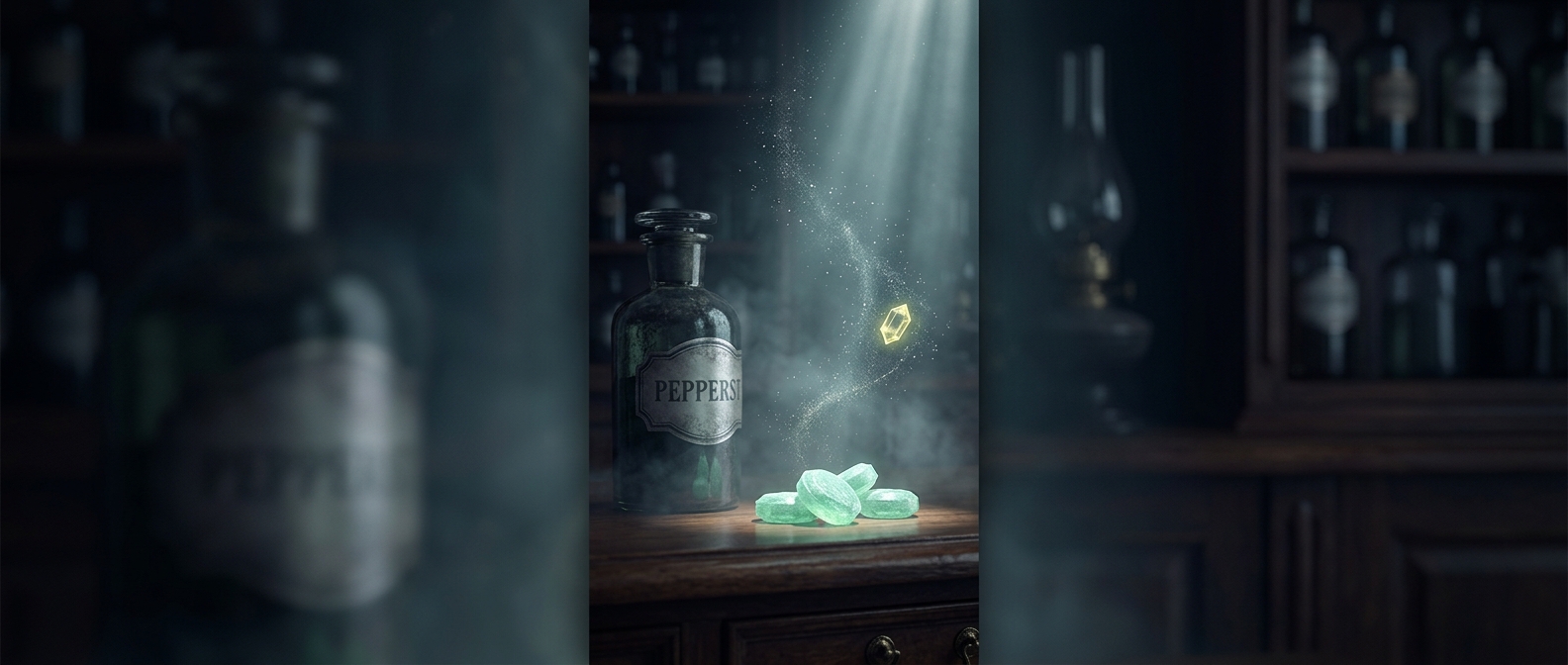
The crucial mistake happened before the candy was made: two different substances were treated as if they were interchangeable. Powdered limestone was intended for the recipe, but the candy maker received arsenic trioxide instead. Both could arrive as pale powders, yet one was a mineral ingredient and the other a powerful poison. Once mixed into peppermint humbugs, the arsenic was spread through sweets meant for ordinary customers.
Arsenic trioxide harms the body by disrupting enzymes that cells need to produce energy. Because the body’s tissues depend on that process, swallowing it can cause severe illness rather than merely irritation in the mouth or stomach. In this case, the poison was not confined to one person or one serving: it had entered a batch of food that could be divided and sold widely.
Why the mistake mattered beyond the workshop
The poisoning exposed a basic weakness in making food with substances supplied through trade: a recipe is only as safe as the identity of each ingredient. A wrong powder can pass through several hands and become difficult to distinguish from the intended one once it is mixed into a finished product.
The result was unusually stark: 21 people died and 200 were poisoned. The sweets’ ordinary appearance concealed the substitution, turning a small error in ingredient handling into a disaster affecting people who had no way to recognize the danger before eating them.