A broadcast can become an unintended scouting tool
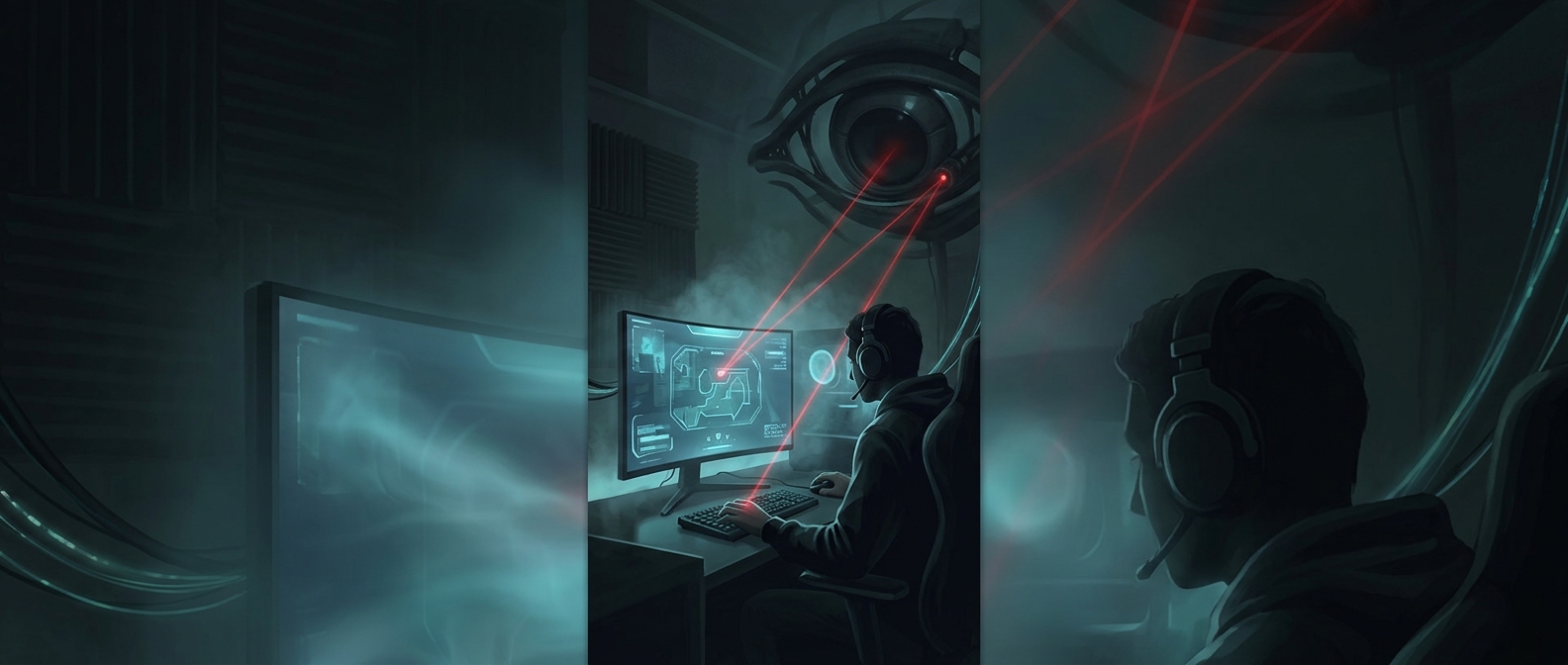
Competitive games are built around information players can earn during a match: where opponents are, what equipment they have, and what they may do next. A live stream can expose some of that information to anyone watching—including an opponent who has joined the same match. The viewer can relay it through voice chat or messages, turning a public broadcast into an extra source of intelligence for one team.
That advantage can matter even if the viewer never touches the controls. Knowing an opponent’s location or strategy can help a player avoid an ambush, choose a counter, or move before the other side expects it. The match is no longer being decided solely by what participants can see and infer inside the game.
The fix has to balance fairness with watching
A streamer can obscure parts of the screen or add a delay, but both measures come with costs. Hiding the game makes a broadcast harder to follow; delaying it makes it less immediate, which can weaken the connection between a player and a live audience. And if only one player takes precautions, the rest of the match may still reveal useful clues.
Game makers therefore face a design problem: reduce the information a live broadcast gives to someone in the same match without making the game or its coverage worse for everyone else. Depending on the game, that can mean concealing identifying details or giving players ways to make public information less useful to opponents. The challenge is not merely stopping a viewer from cheating; it is preventing the broadcast from quietly changing what counts as fair information.