A restroom has operating costs, even when nobody buys a meal
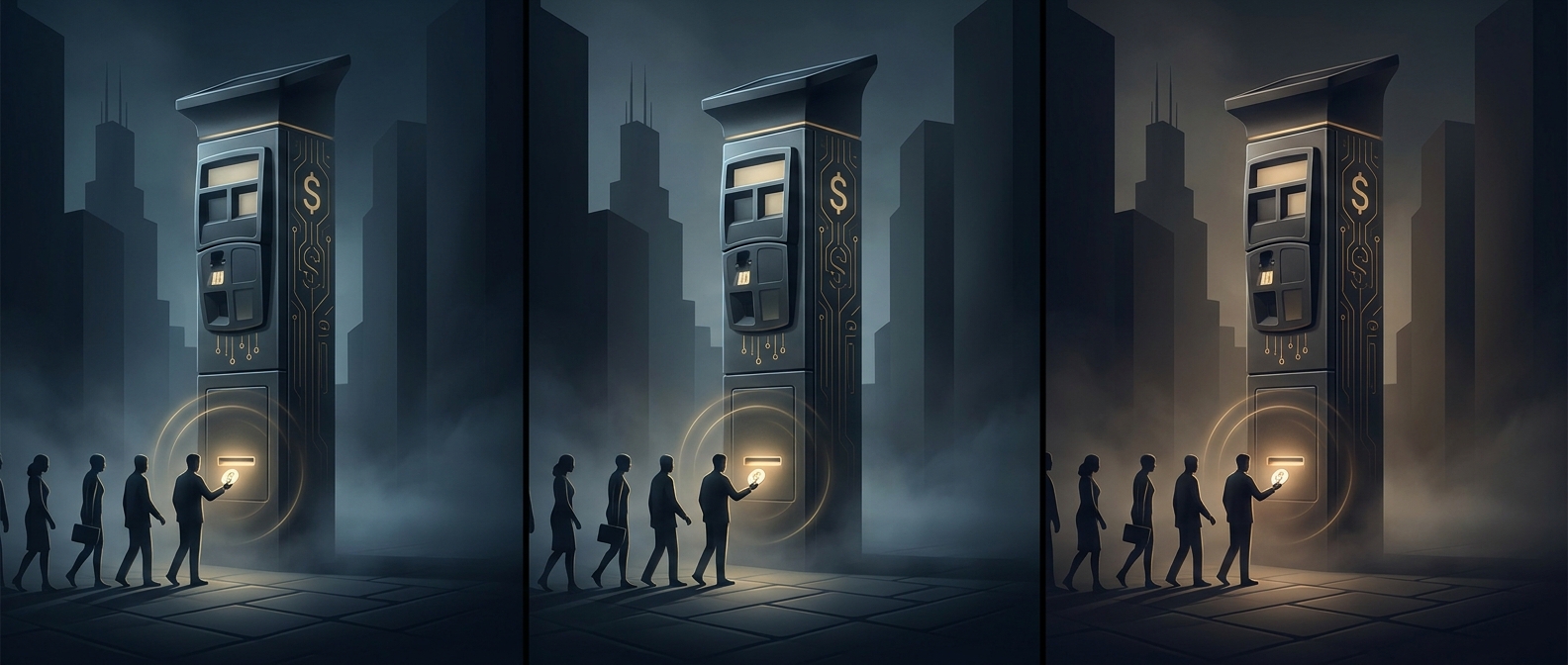
A café bathroom may look like a spare room, but keeping it usable takes work: staff clean it, replenish soap and paper, and handle repairs. When people who are not customers use the facilities, the business takes on those costs without earning anything from their visit. A purchase requirement is one way to connect access to a sale—and to limit how many people enter solely to use the restroom.
Some businesses use a door code instead. A code gives staff more control over access, but it also makes the bathroom harder to reach for anyone who does not know how to ask or cannot make a purchase. The barrier is practical rather than architectural: the toilet is there, but access depends on passing a small gate set by the business.
Private businesses fill a public gap
The tension grows when nearby public toilets are scarce. People still need a restroom, but the costs of providing and maintaining one land on individual businesses. A café may become the most visible available option, even though it was designed to serve customers, not the whole street.
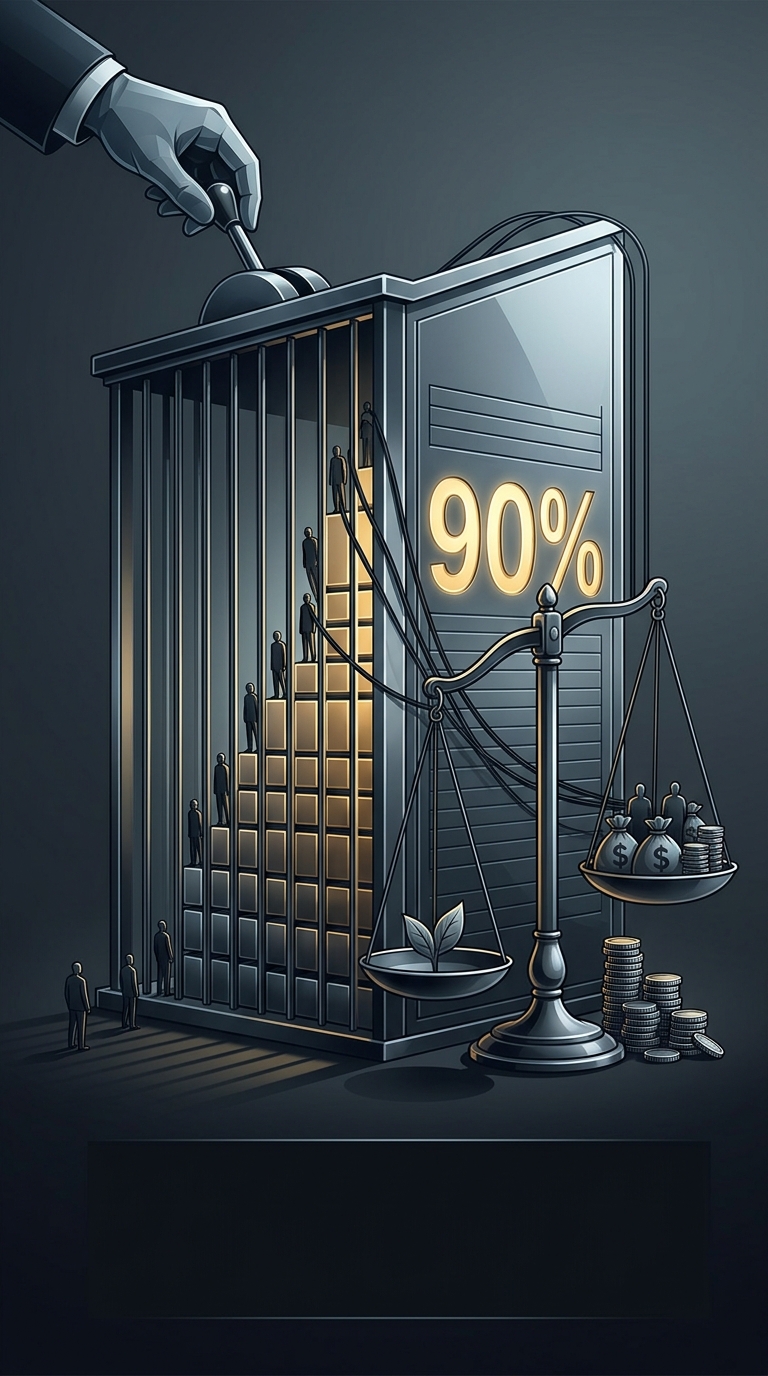
That leaves people with different choices depending on their money, confidence, and ability to find another facility. A purchase can function as an informal access fee, while a code can function as a checkpoint. Both policies help a business manage its space; neither replaces a publicly available restroom. When the nearest toilet is behind a counter, an ordinary errand can become a prerequisite for meeting an ordinary need.