How Empty Prison Beds Can Become a Public Expense
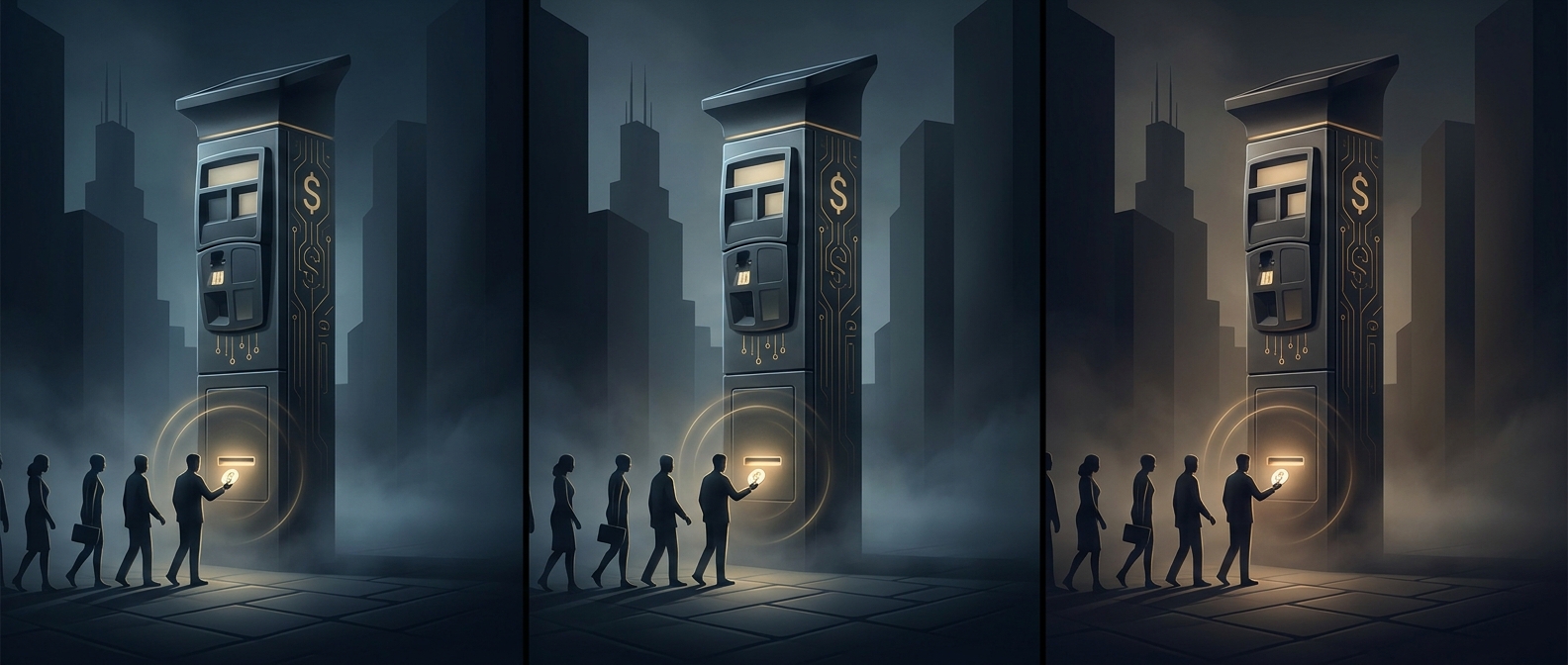
A private prison is paid under a contract, but the contract may promise more than a bed’s availability. Some agreements include minimum-occupancy guarantees: the state must keep a specified share of the facility’s beds occupied, or pay part of the revenue the company would have received if they were.
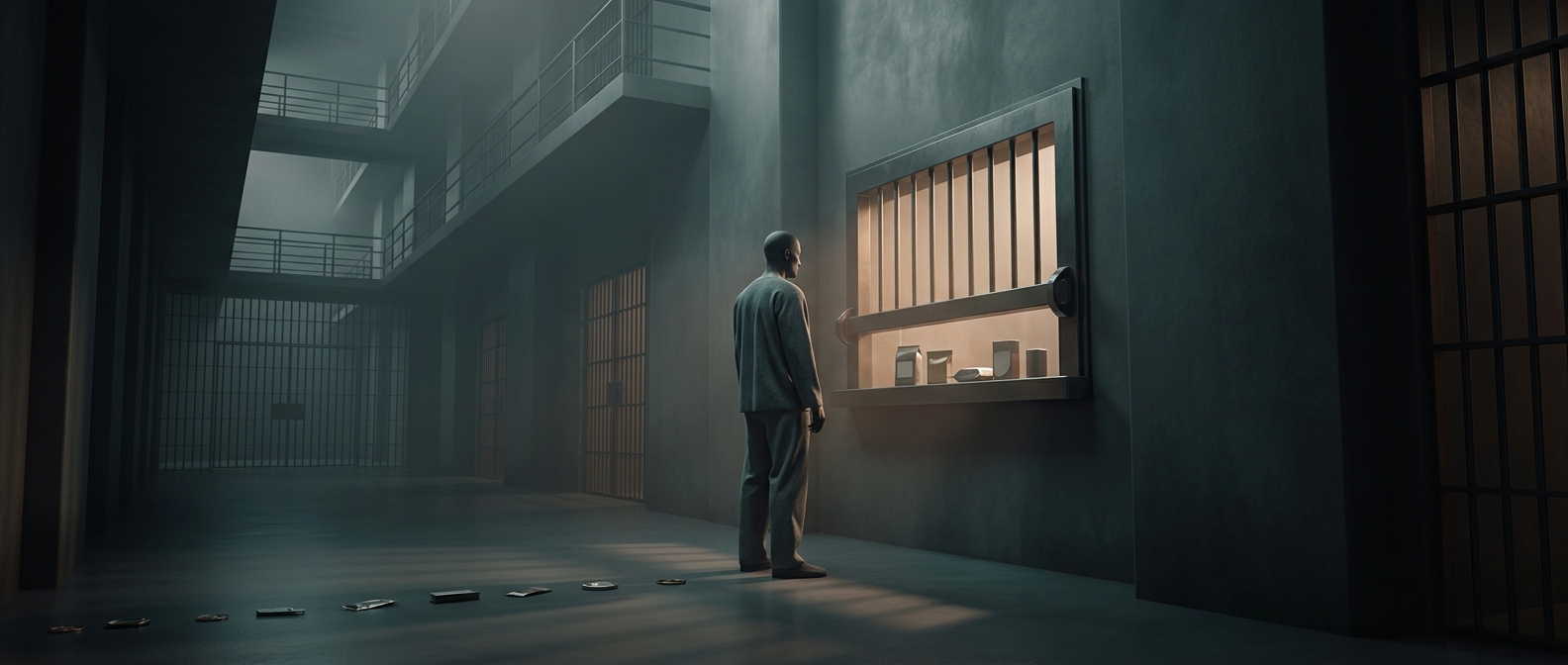
That arrangement changes who bears the financial risk. If fewer people are incarcerated than expected, the company can lose revenue from empty beds. A minimum guarantee shifts some of that risk back to the state—and, ultimately, taxpayers—even when the decline reflects lower crime or a policy decision to use alternatives to prison.
The Incentive Built Into the Contract
The guarantee does not necessarily mean officials must arrest or imprison people solely to fill cells. In practice, a shortfall can instead trigger a payment, subject to the contract’s terms. But the state may face a choice between paying for unused capacity and maintaining a higher level of incarceration to avoid the bill.
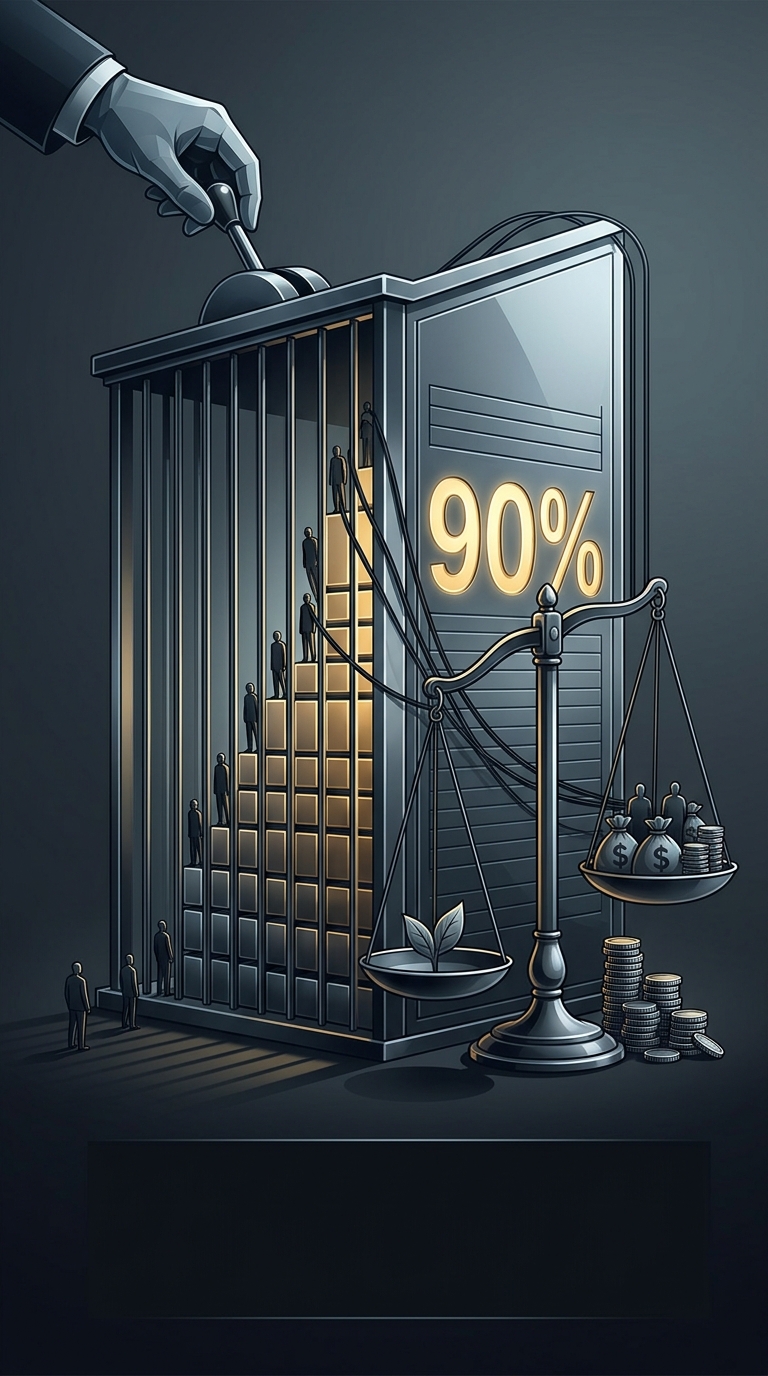
That is the economic tension: a policy that reduces imprisonment can produce savings in some parts of the justice system while leaving the government liable for a private facility’s expected revenue. Rehabilitation and alternatives to incarceration may be valuable for other reasons, but a fixed occupancy commitment can make them harder to pursue without incurring an additional cost.
Why the Details Matter
Occupancy clauses are not identical across contracts, and a guarantee is not proof that a private company controls sentencing decisions. Still, it can make the public budget less responsive to the number of people actually held. When payment is tied to keeping beds occupied—or paying as if they were—the state can owe money precisely when it needs fewer prison beds.