Why a Tube Can Work Like Money
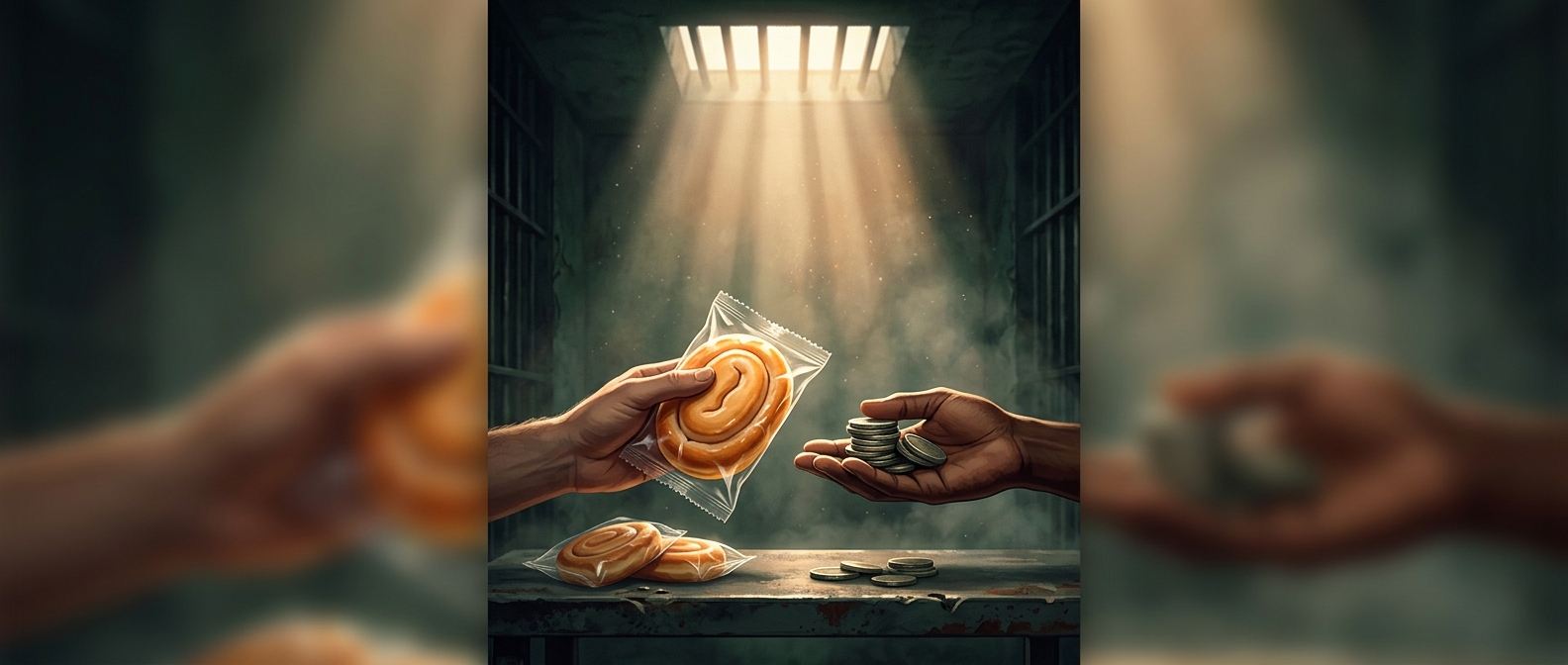
Money does not have to be issued by a government. In a place where people cannot freely use ordinary cash, an item can become a common medium of exchange if others will accept it in return for goods or favors. Toothpaste can fill that role because it is useful to nearly everyone and easy to recognize.
The key is not the tube itself but the shared expectation behind it: someone who accepts toothpaste in a trade can later use it, or pass it on to someone else. That makes the exchange easier than finding a person who wants exactly what you have at the same moment—a limitation of direct barter.
Scarcity Gives It a Price
When purchases are limited and official supplies do not meet demand, a practical item becomes harder to get. People may then trade for it, and its value can rise relative to other goods. A tube might be exchanged as toothpaste or held for a future trade; its usefulness gives it a fallback value even if no trade happens.
That value is conditional, not fixed. It depends on how scarce toothpaste is, how much people want it, and whether they trust that others will take it. If supplies increase or demand shifts, the number of goods a tube can buy can change too. This is why such an item is better understood as informal, local currency, not money with a stable price everywhere.
A Trade-Off Built Into the Choice
Toothpaste is convenient as a recognizable, consumable good, but it is not perfect money: tubes can vary in size, be used up, or be difficult to divide into precise amounts. Those drawbacks matter less when the aim is simply to make routine exchanges possible under tight constraints.
The striking consequence is that a basic hygiene product can serve two roles at once: meeting an everyday need and helping people put a common value on other goods. Its “price” comes not from a label or official policy, but from what others are willing to accept.