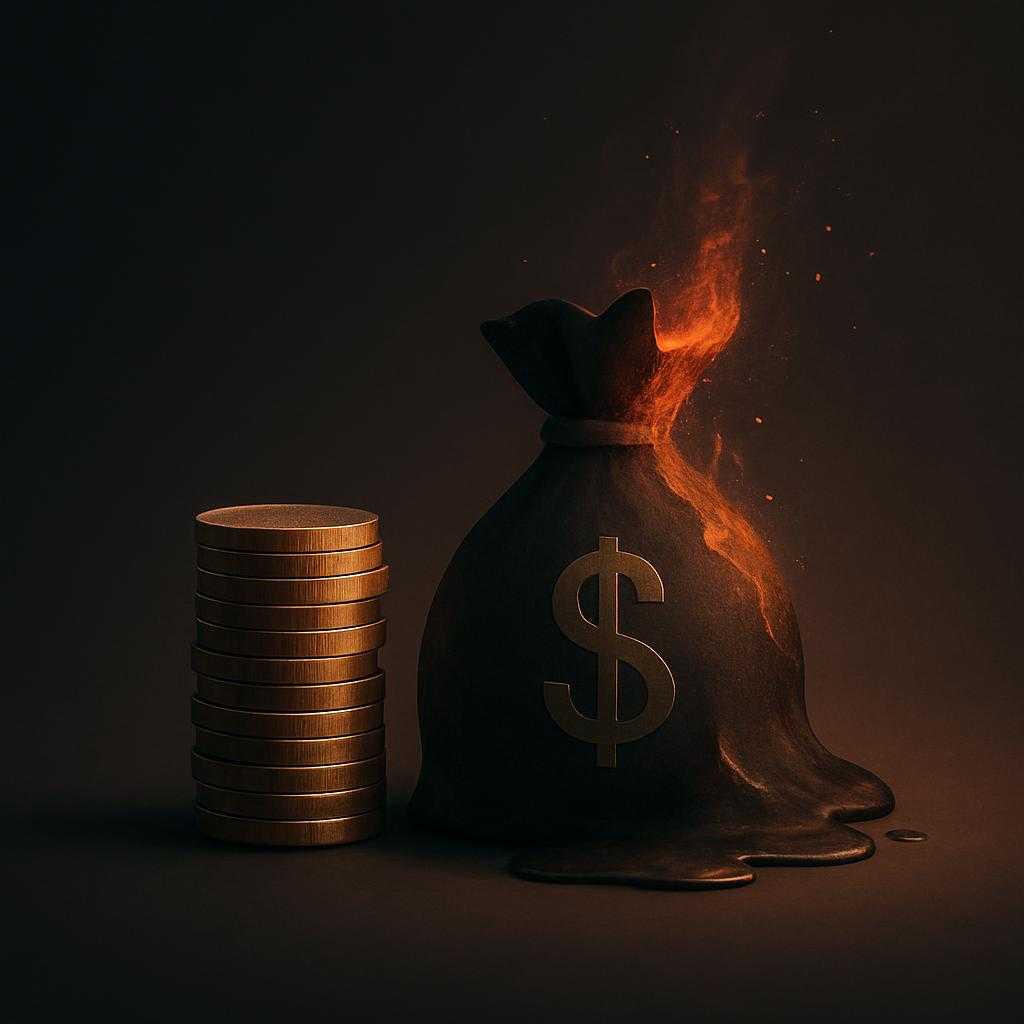
Why the fee is split in two
“Two and twenty” combines two different charges: an annual management fee of about 2% of the money entrusted to the fund, and an incentive fee of about 20% of investment profits. The first pays for running the business and is generally calculated from assets under management—the capital the fund oversees. The second gives the manager a share of gains.
That distinction matters when returns are weak. If a fund loses value, its management fee may still be due because it is based on assets, not profits. Investors can therefore pay the manager even in a losing year, while the incentive fee usually produces no charge unless the fund earns gains under the terms of its agreement.
What the arrangement rewards—and risks
The management fee gives a fund a steadier source of revenue for staffing, research, trading systems, and operations. But because it is tied to assets, it can reward a manager for attracting or retaining more money even when investment performance disappoints. The performance fee points in the other direction: it gives the manager a direct share in successful returns, aligning some of the manager’s pay with investor gains.
That incentive is not perfectly symmetrical. A manager’s share of gains can be substantial, while losses are borne by investors. Some fund agreements use features such as a high-water mark, which generally prevents the manager from collecting another performance fee until the fund has recovered past losses and exceeded its previous peak. The details vary, so the headline phrase alone does not tell an investor exactly when fees apply.
The practical consequence is that a fund’s return must be judged after both charges. A strategy can make money before fees yet deliver less to investors once the management fee and the manager’s share of profits are deducted.