Why Venus never strays far from the Sun
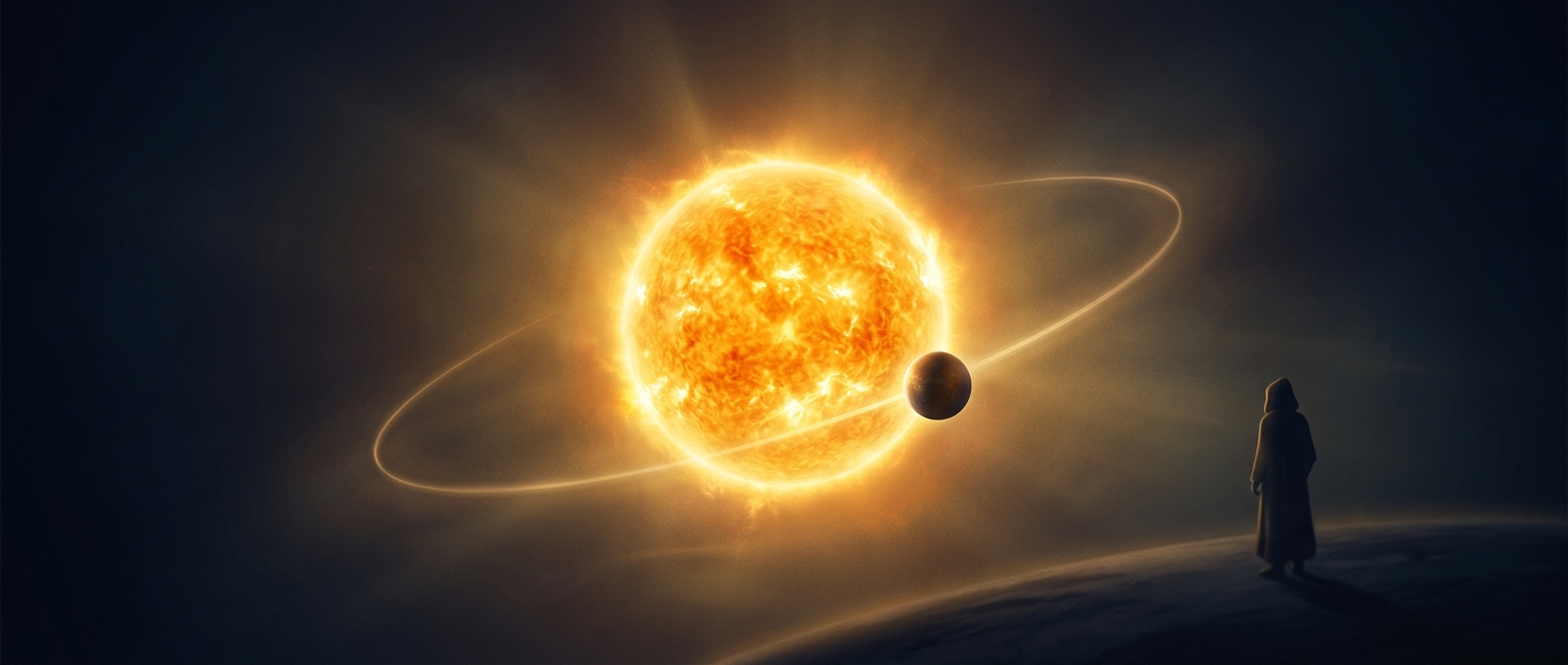
Venus is an inferior planet: its orbit lies inside Earth’s. From our moving viewpoint, it therefore stays in the same general direction as the Sun instead of crossing to the opposite side of the sky, as planets farther out can. Astronomers call a planet’s apparent angle from the Sun its elongation.
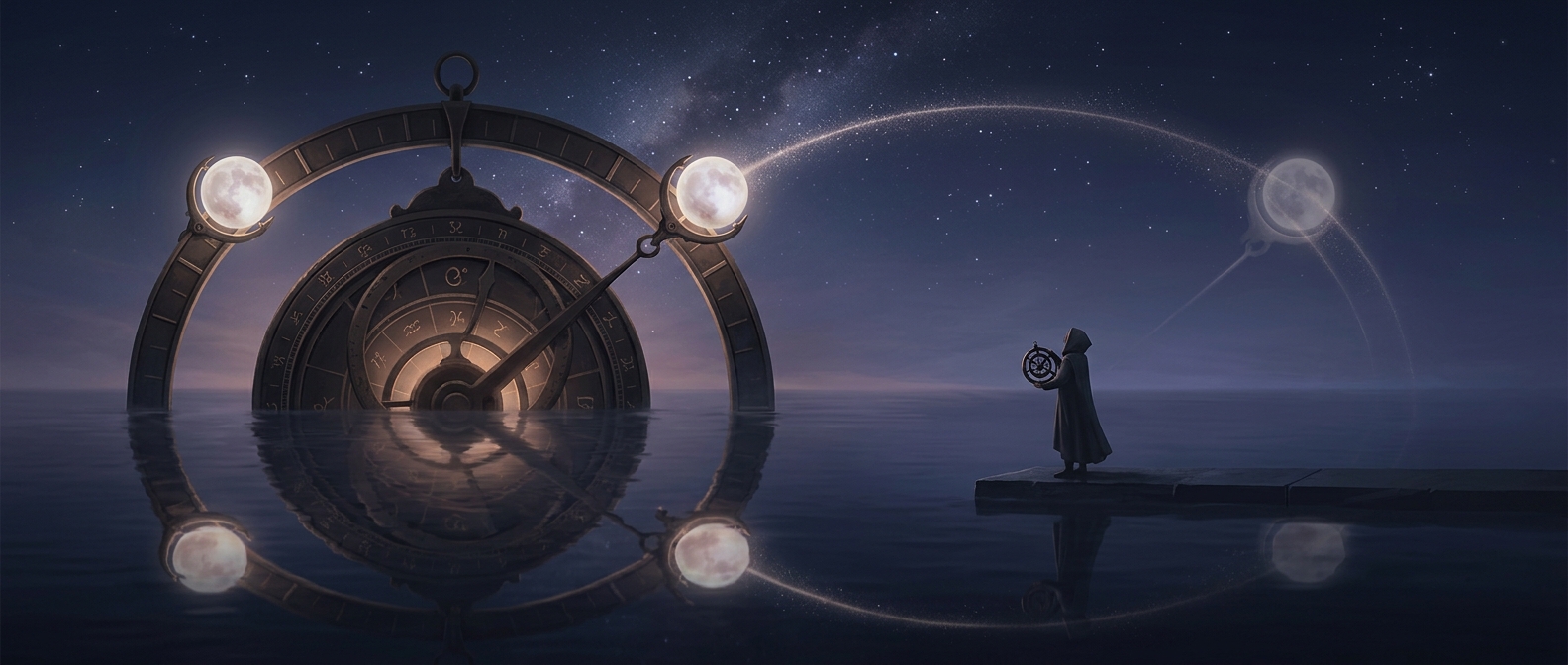
The limit comes from geometry. Venus can look farthest from the Sun when our line of sight just grazes the edge of its orbit. Even then, the angle is only about 47 degrees. The exact maximum varies because Earth’s and Venus’s orbits are not perfect circles and are tilted slightly relative to each other.
A planet that trades the evening sky for the morning
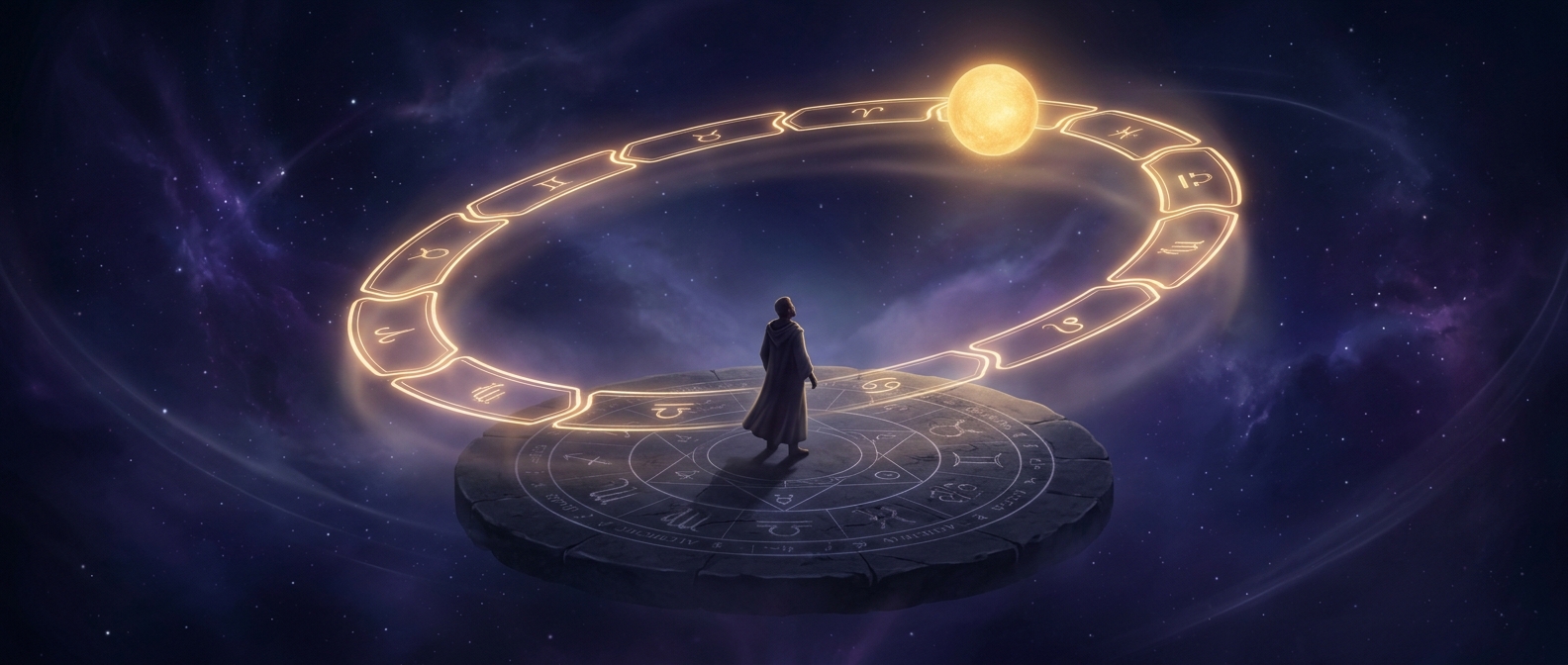
As Venus travels around the Sun, it alternates between appearing east and west of it. When east, it becomes visible after sunset; when west, it appears before sunrise. It does not leap from one side to the other in a single night: it passes between Earth and the Sun, becoming lost in the Sun’s glare for a time.
That glare also explains why Venus is not always easy to spot despite being bright. Near its closest apparent approach to the Sun, it sets or rises only a short time apart from it, so the bright twilight can wash it out. At its greatest elongation, it gets a longer window in a darker sky. Its orbit thus determines not just where Venus appears, but when observers get their best chance to see it.