Why Neptune’s Sign Becomes a Generational Story
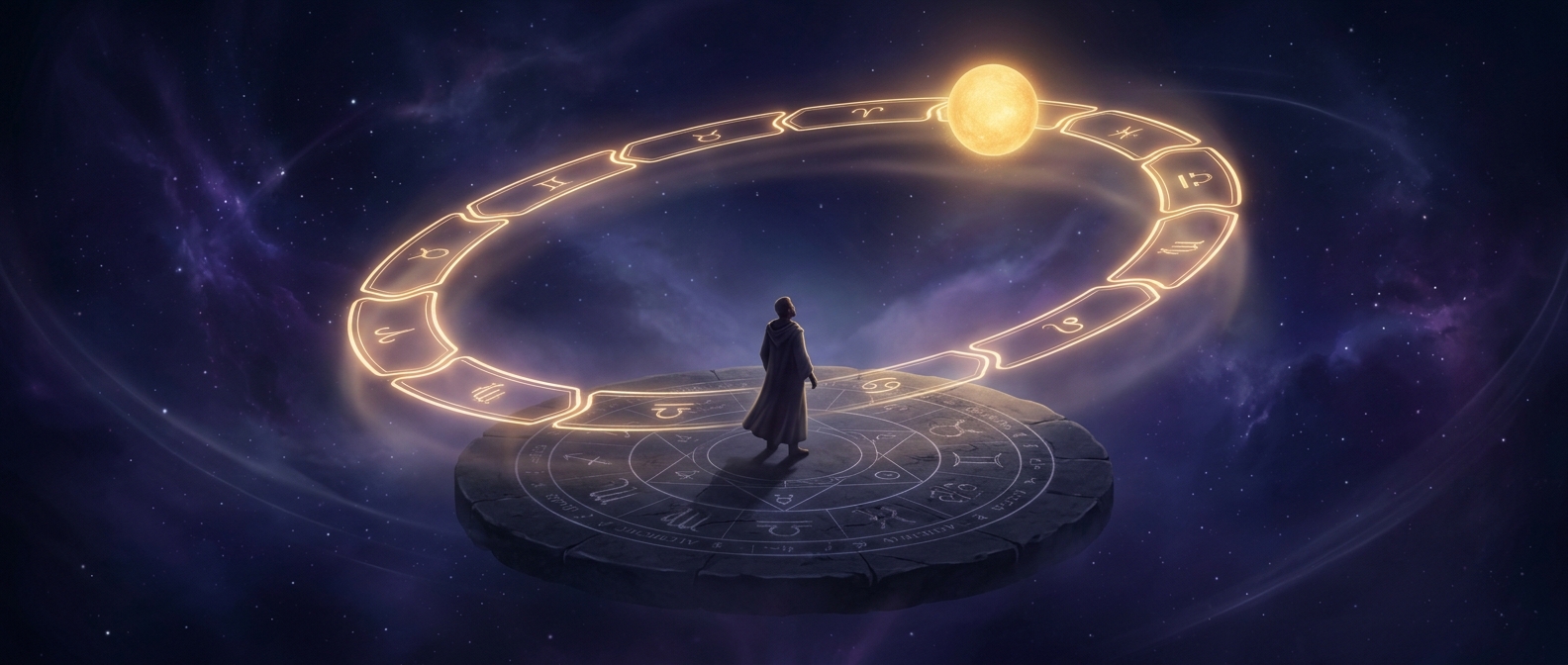
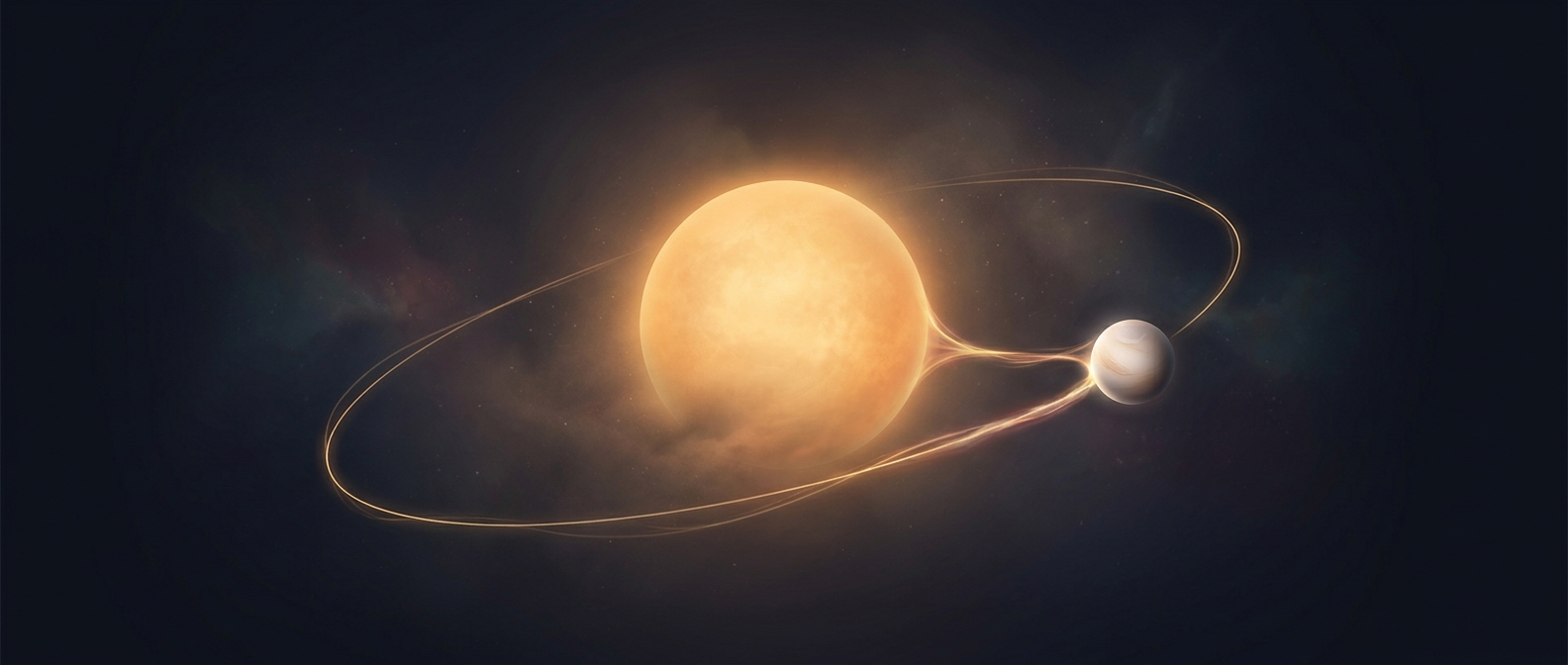
Astrologers treat Neptune differently from the faster-moving planets. Because it takes about 165 years to circle the Sun, it spends roughly 14 years in each zodiac sign. Most people born during that stretch therefore share Neptune’s sign, which is why astrologers associate it with broad cultural moods rather than the details of one person’s daily life.
In this reading, Neptune represents things that are hard to pin down: dreams, ideals, imagination, spiritual longing—and the fog that can surround them. The sign supplies a symbolic setting for those themes. Astrologers might interpret a generation’s Neptune placement as pointing to the kinds of visions it is drawn to, or the forms of escapism and confusion it may be vulnerable to.
A Long Transit, Not a Personal Forecast
A “transit” is a planet’s passage through a section of the zodiac. Neptune’s movement is slow enough that people born years apart can have the same placement. Astrological birth charts distinguish individuals through other placements and their relationships to one another; Neptune’s sign alone is not meant to explain a person’s character.
Neptune also appears to move backward in the sky for part of each year, a perspective effect called retrograde motion. Around a sign change, that apparent backtracking can make the transition less tidy than a single date: astrologers may track Neptune leaving a sign, returning to it, and entering the next one for good.
The generational idea is thus less a claim that everyone in an age group behaves alike than a symbolic way of describing shared ideals and blind spots. Its scale is part of its meaning: a Neptune-era interpretation asks what a whole generation might collectively long for—or have trouble seeing clearly.