Why a crystal could seem safer than a spell
In 16th-century Europe, the boundary between acceptable and forbidden magic could turn on how a practitioner explained an act. “Natural magic” meant working with hidden powers thought to belong to nature, much as a scholar might seek knowledge through unusual properties of minerals, plants, or light. By contrast, practices understood as summoning demons or making pacts with them could be condemned as explicitly diabolical—and, in some settings, exposed practitioners to legal danger.
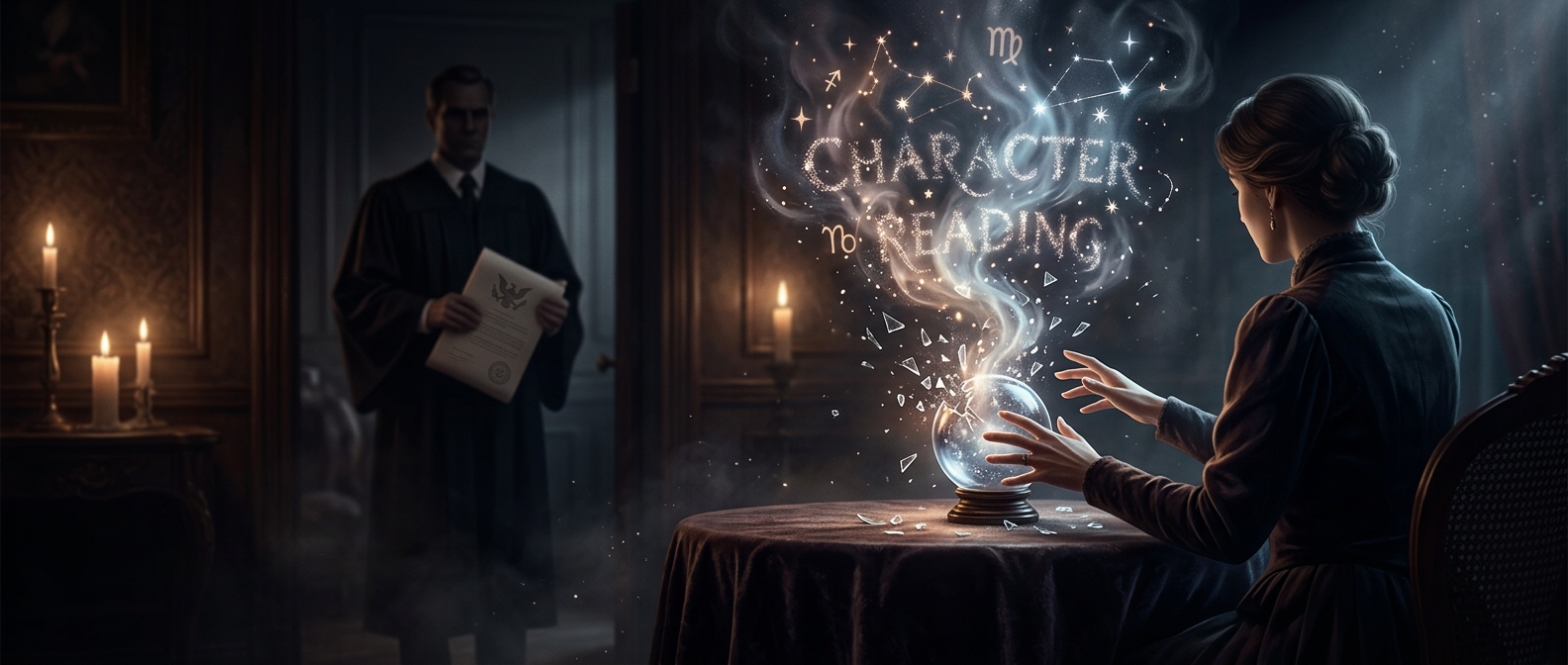
Crystal scrying, or trying to glimpse hidden knowledge in a reflective surface, could be presented on the safer side of that line. The crystal was treated as a means of seeing, not necessarily as a spirit being called. That interpretation let occultists describe the practice as inquiry into nature or concealed truths rather than an open appeal to dark powers.
A distinction that depended on interpretation
The object itself did not settle the matter. A crystal-gazer might claim that a vision came through natural forces, while observers could suspect that spirits were involved. The same session could therefore look like learned investigation to one person and unlawful conjuring to another. “Natural magic” was not a guarantee of safety; it was a way of framing a practice whose meaning was contested.
That distinction helps explain the appeal of scrying in an era when magical work could attract scrutiny. A practitioner could keep seeking visions while avoiding an explicit claim to summon demons. The crystal’s reflective surface offered more than a prop: it provided a plausible story about how the knowledge was supposed to arrive.