Why a black mirror suited Tezcatlipoca
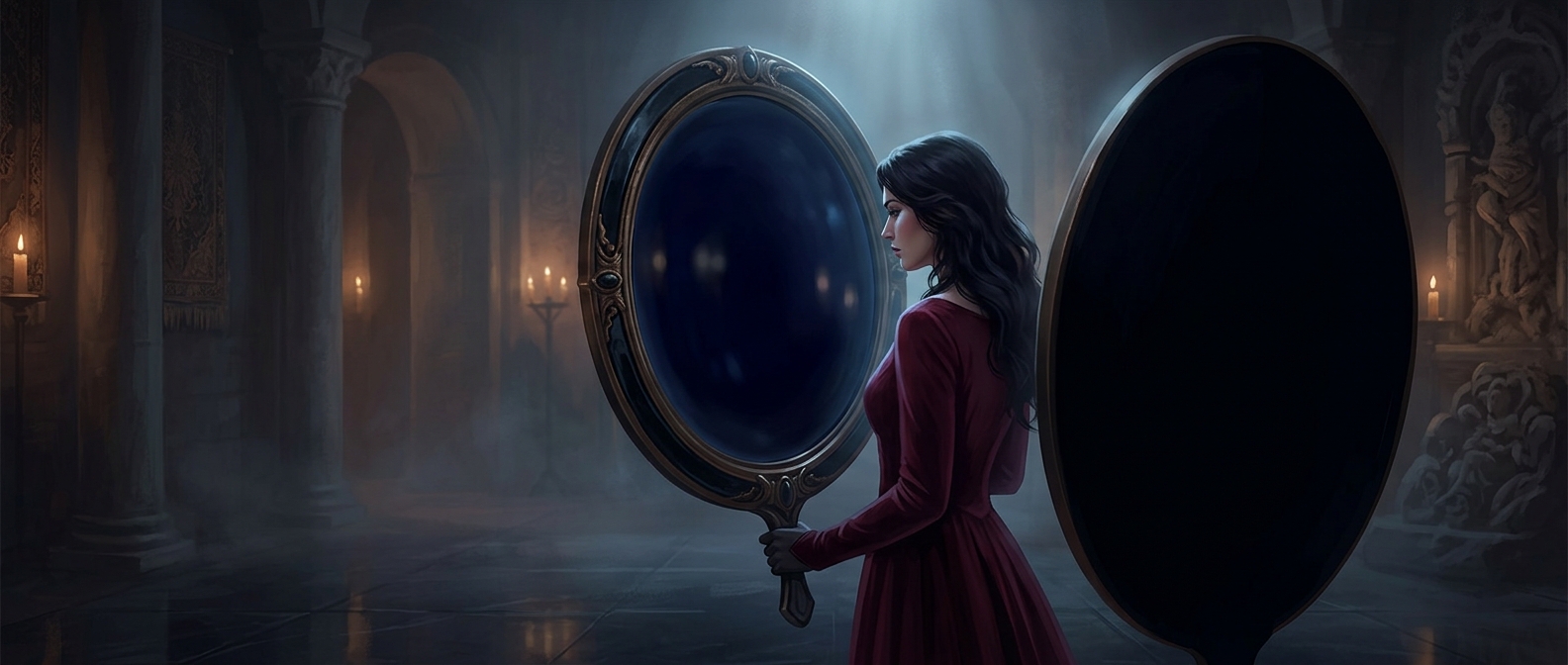
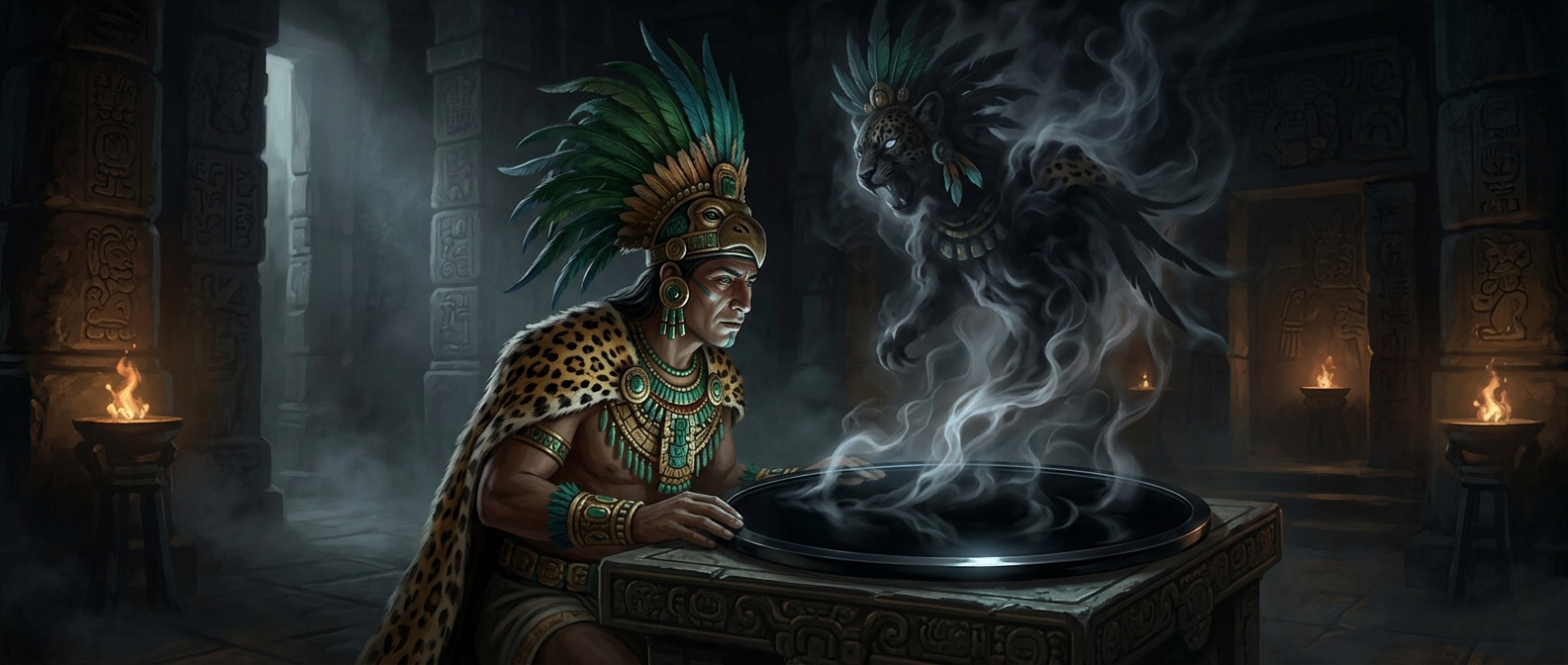
Obsidian is volcanic glass. When polished, it can reflect a face, but its dark surface gives the reflection a different quality from the bright image in a household mirror. In ritual settings, that dim, shadowed image could serve as a focus for scrying—the practice of seeking visions or signs in a reflective surface.
The mirror also carried meaning beyond its use. Tezcatlipoca’s name, commonly translated as “Smoking Mirror,” linked the god to the object itself. A priest looking into polished obsidian was not simply consulting a tool: within Aztec religious belief, the mirror could evoke the deity and his power to reveal what was hidden.
A mirror for uncertain futures
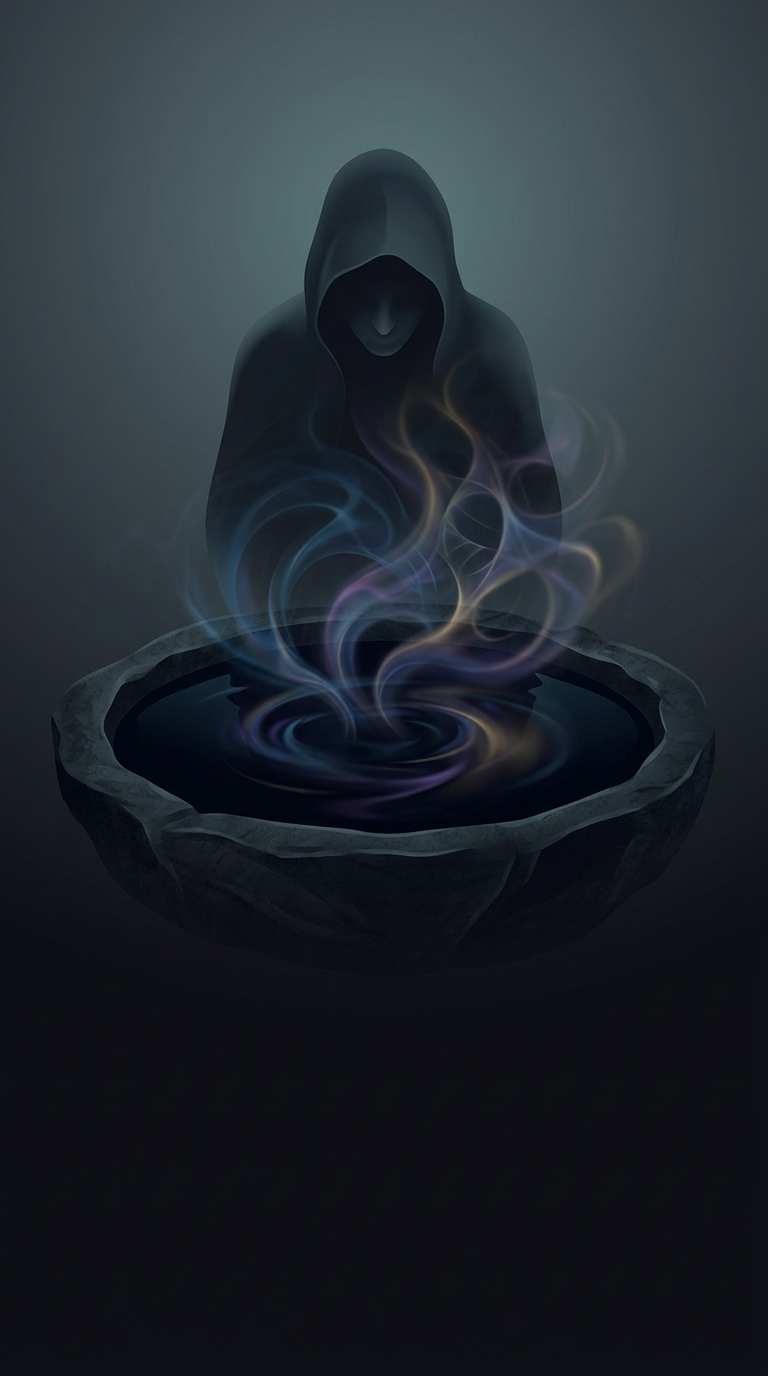
Scrying did not work like reading a written forecast. The dark reflection offered no fixed message on its own; its significance depended on the ritual and the person interpreting what appeared. That made the mirror a fitting instrument for questions about the future, fate, or unseen forces—matters associated with divine knowledge rather than ordinary observation.
The image of a priest facing a black mirror therefore joins material effect and religious symbolism. Obsidian made the reflection seem shadowed and uncanny; Tezcatlipoca’s title gave that shadow a divine identity. The mirror’s power lay as much in what it represented as in what it reflected.