A Live Broadcast Can Still Have a Blind Spot
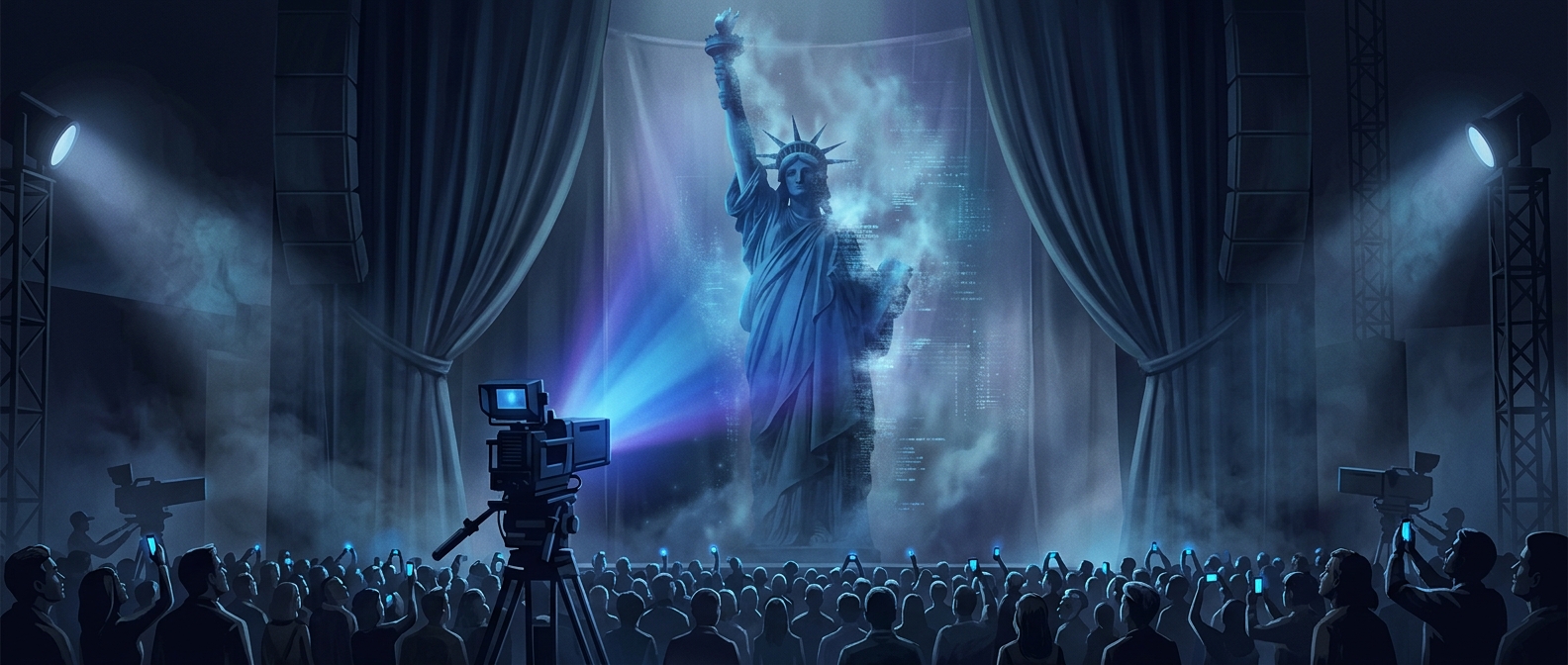
A monument does not need to move for a television audience to lose sight of it. The image on screen is only the slice of the scene admitted by the camera’s frame. By carefully controlling that view, a production can make a fixed landmark seem to disappear without changing the landmark itself.
The Trick Happens at the Edge of the Picture
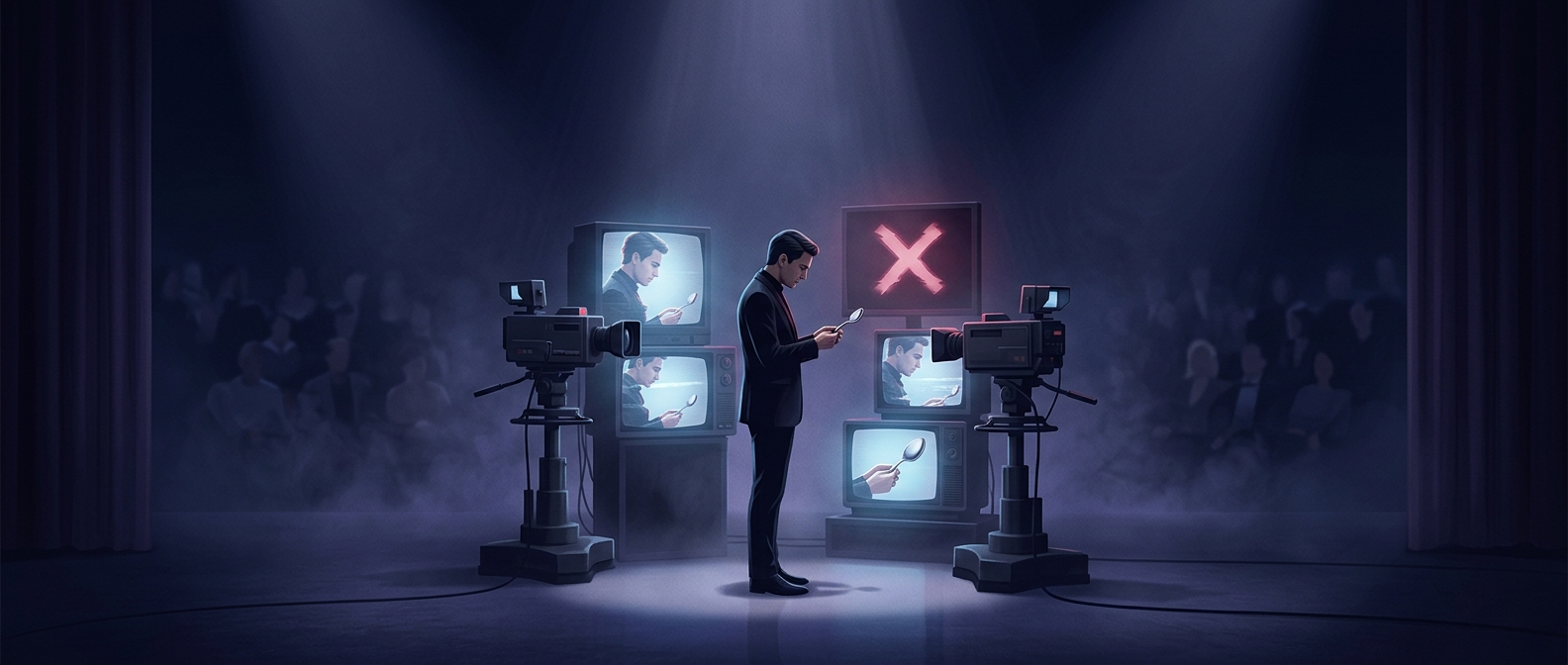
The camera frame acts like a window: viewers can see what falls inside it, but not what lies just beyond its edges or behind something in the shot. A shift in viewpoint, a change in what blocks the view, or a precisely managed transition can therefore alter what the audience sees while leaving the larger scene untouched.
That is why “live” does not mean “unfiltered.” A live broadcast may have no later editing, but it still depends on camera placement and framing. Viewers share the camera’s sightline, not an all-around view of the location. If that sightline is controlled, the audience can be present for an apparent impossibility and still miss the physical explanation.
The lasting lesson is simple: television shows a carefully bounded view of reality. In this illusion, controlling that boundary was enough to make a monument vanish from the screen.