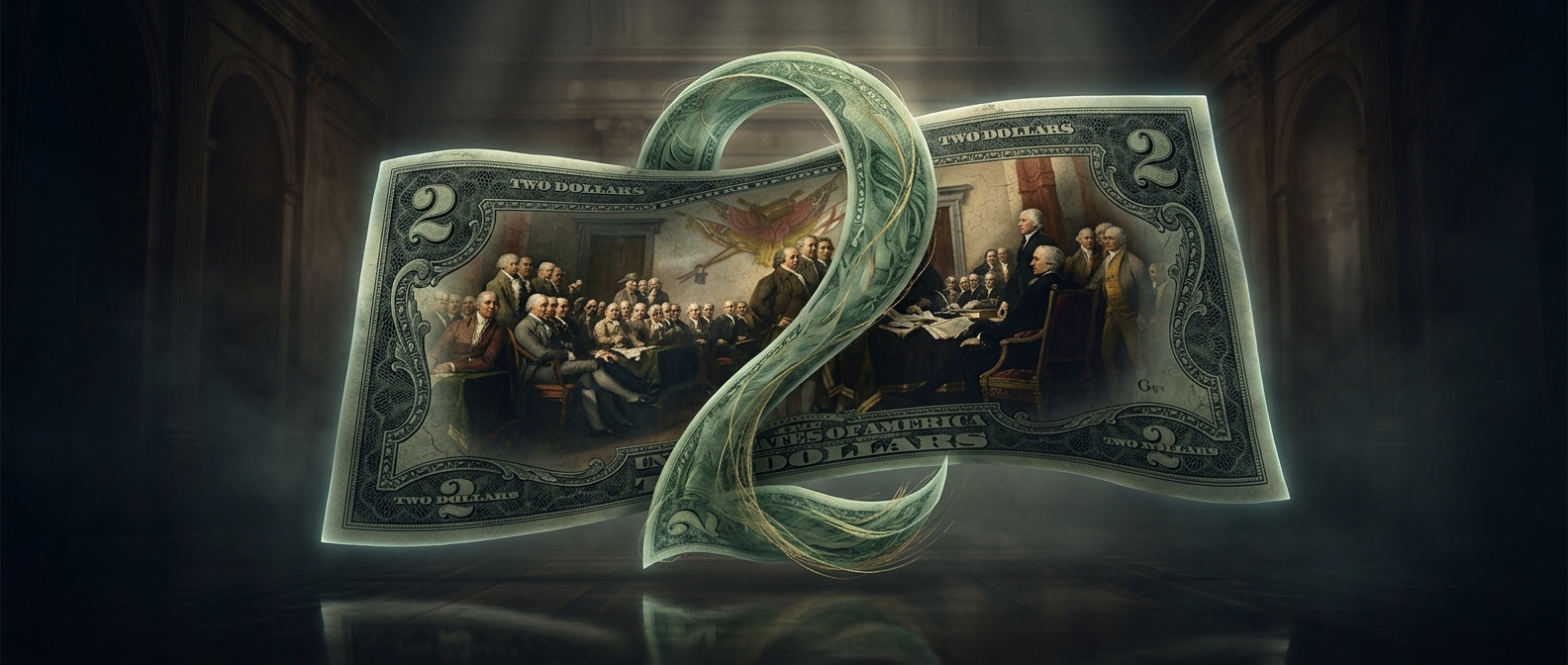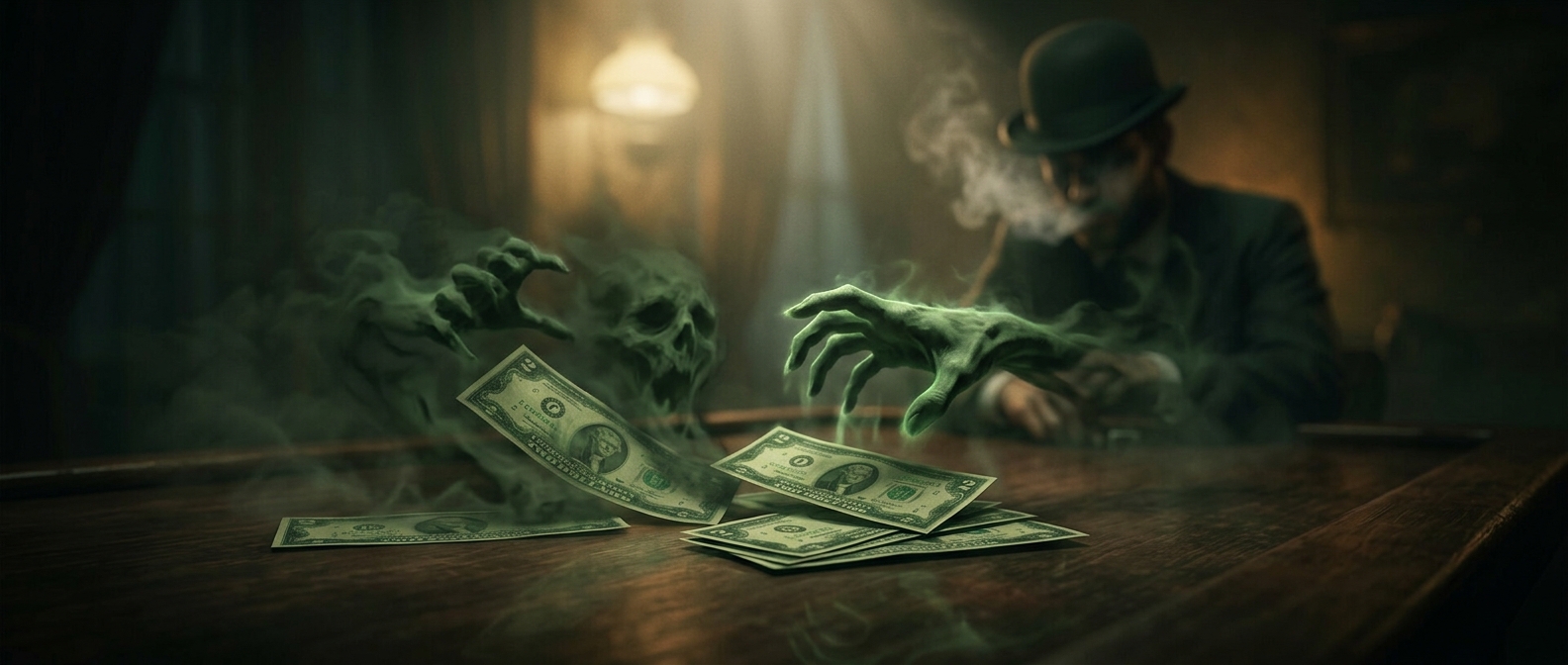
A small bill with a conspicuous reputation
The two-dollar bill was unusual enough to attract attention, and that made its uses easy to remember. In settings such as racetracks, where two dollars could be a standard wager, the note became associated with gambling. Stories also linked it to bribes and brothels. Those associations gave an ordinary denomination a disreputable aura, even though the bill itself was simply legal money.
How a spendable note became a “bad-luck” note
The bill’s reputation fed on its relative rarity in everyday transactions. When people seldom saw a note, receiving one could feel like an omen rather than routine change. Its ties to betting and illicit payments supplied a ready explanation: the bill was thought to carry the luck—or misfortune—of the places where it had circulated.
Some people tore off a corner to break that supposed curse. The gesture was a piece of folk superstition, not a feature of the currency. But it also made the note visibly damaged, helping the story travel from one holder to the next.
Unwanted, but still in circulation
A bill can remain valid while people avoid using it. If shopkeepers or customers treated two-dollar notes as strange, they were more likely to be set aside, saved, or passed along with a story instead of entering ordinary circulation. That hesitation could make the denomination seem even rarer—and reinforce the very suspicions that made people reluctant to take it.
The result was a curious loop: the two-dollar bill’s uncommonness made its associations memorable, and those associations helped keep it uncommon in people’s wallets.