The furniture is built to fail on cue
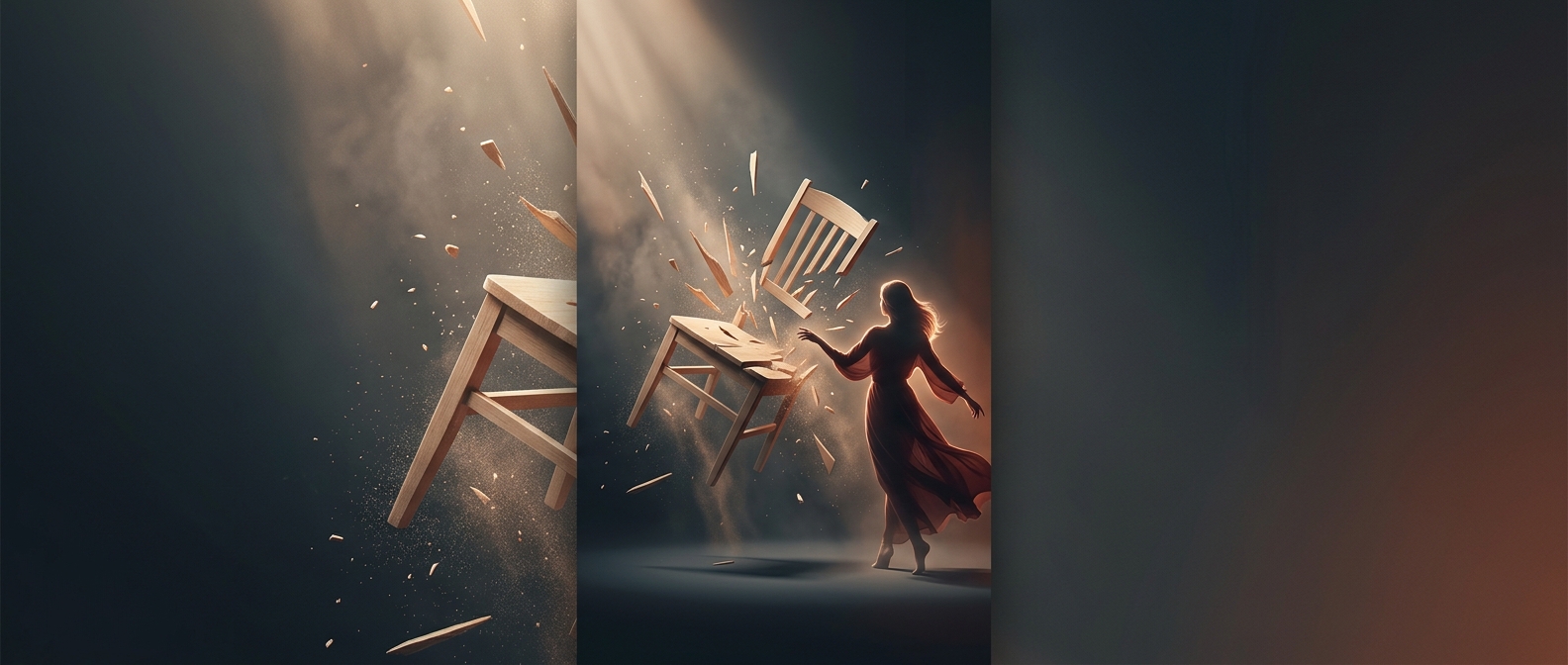
A real chair is designed to hold weight and survive repeated use. A breakaway prop has the opposite job: it must look convincing until the instant it is struck, then come apart in a predictable way. Lightweight wood such as balsa can help because it takes less force to break than the hardwoods used in ordinary furniture.
The material is only part of the trick. Prop makers can use thin pieces, weakened joints, or sections designed to split along a chosen line. That guides the break so a chair does not simply bend or bounce off a wall. The goal is a clean, readable collapse that works from the camera’s angle.
A controlled break is safer—and easier to repeat
A prop still needs to survive handling and rehearsal, but it should not send heavy, sharp fragments flying. Lighter, deliberately fragile construction reduces the force involved and makes it easier to manage what happens when the furniture hits the floor. The exact design depends on the scene: a table meant to crack under a stunt performer needs different support from a chair that is only thrown against a set wall.
Breakaway furniture also saves time. A prop that can be repaired or replaced lets a crew repeat a shot without rebuilding a full-size, durable piece each time. What looks like a moment of reckless destruction is therefore carefully staged: the furniture is made sturdy enough for the setup and weak enough for the impact.